On this page
- What to do if your dog just ate avocado
- Why persin isn’t the main worry for most dogs
- The fat load is the real digestive question
- The pit and the skin: a mechanical hazard, not a chemical one
- What the microbiome research says about dietary fat and loose stool
- A practical feeding framework, if you choose to offer any at all
- My verdict, after years of fielding this exact question
What to do if your dog just ate avocado
Start here, because this is the part that actually matters in the moment. Check what was eaten: plain flesh, skin, or the pit. A few bites of ripe flesh from a dog with no history of pancreatitis is rarely an emergency — watch for vomiting or loose stool over the next 12 to 24 hours and withhold other rich food in the meantime. If the pit is missing, or you can’t confirm it went in the trash and not the dog, that’s a different call. Pits don’t digest, and a swallowed one can lodge in the gut. Phone your veterinarian or the ASPCA Animal Poison Control Center rather than guessing, especially in a small dog or a dog with a known pancreatitis history.
I’ve had this exact conversation more times than I can count, usually starting the same way: an owner on the phone, half-apologetic, describing a countertop avocado and a dog now looking a little too pleased with itself. The dose and the dog’s history matter more than the ingredient’s reputation. A 70-pound Labrador who grabbed a few chunks of flesh off a cutting board is a very different case than a 9-pound dachshund with a prior bout of pancreatitis who got into a whole avocado, pit included. I ask the same three things every time: how much, which parts, and has this dog’s pancreas ever caused trouble before. Those answers, not the word “avocado” itself, decide whether we watch and wait or head to the clinic.
Why persin isn’t the main worry for most dogs
Avocado’s bad reputation traces back to persin, a fungicidal compound in the leaves, bark, skin, and pit of the plant. According to the ASPCA, persin can cause vomiting and diarrhea in dogs and more serious effects in other species, but dogs are considerably less sensitive to it than birds, rabbits, or horses. The Merck Veterinary Manual frames avocado toxicosis largely around those more sensitive species, not dogs eating plain fruit flesh. So the flesh itself, in modest amounts, isn’t the five-alarm hazard the ingredient’s reputation suggests. That’s a useful correction — but it’s also where most owners stop reading, and it’s not where I’d stop.
The fat load is the real digestive question
Here’s the number that actually changes my advice: avocado flesh runs roughly 15 grams of fat per 100 grams, most of it monounsaturated. That’s a lot of fat, fast, for an animal whose pancreas didn’t evolve to handle a produce-aisle fruit bred for richness. High-fat ingestion is a recognized trigger for pancreatitis in dogs, and the ASPCA specifically flags fat content — not persin — as the mechanism behind pancreatitis risk from avocado. VCA Animal Hospitals describes pancreatitis as inflammation of the pancreas that ranges from mild and self-limiting to severe and life-threatening, and diet is one of the better-understood risk factors clinicians manage around.
This matters even more in dogs who already have a compromised pancreas. In exocrine pancreatic insufficiency, the pancreas can’t produce enough digestive enzymes, and management leans on enzyme replacement plus nutritional adjustments — a review in JAVMA notes that “EPI is treated by pancreatic enzyme replacement therapy, nutritional management (low-residue diets with moderate fat content), and supplementation of cobalamin.” A rich, high-fat food like avocado sits awkwardly against that kind of diet, even setting persin aside entirely. The same review also points out that the field still doesn’t fully understand why dysbiosis persists in some EPI dogs even after enzyme therapy starts — “future studies are needed to further understand the causes of persistent dysbiosis in animals with EPI following initiation of pancreatic enzyme replacement therapy.” That’s an honest gap, and it’s worth naming rather than glossing over.
The pit and the skin: a mechanical hazard, not a chemical one
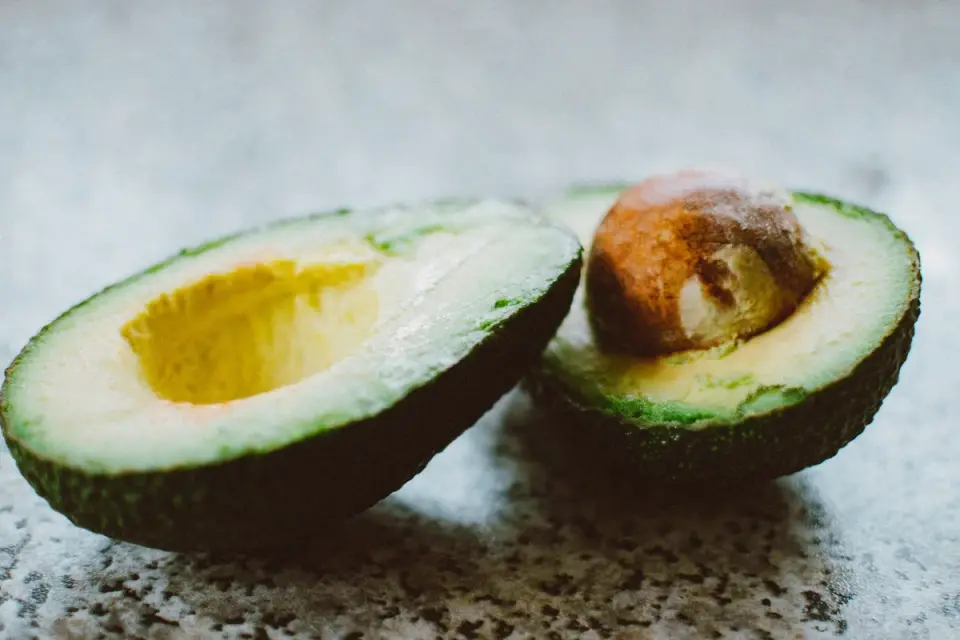
Set persin aside for a second, because the pit’s biggest threat isn’t chemical at all — it’s mechanical. A dog can’t digest an avocado pit, and its size and shape make it a plausible cause of intestinal obstruction, particularly in small and medium dogs. Skin is tougher and more fibrous than most owners expect, and dogs occasionally swallow chunks of it whole while trying to get at the fruit underneath. If you’re feeding avocado flesh at all, that’s the argument for slicing it clean off the peel and disposing of the pit somewhere your dog genuinely can’t reach — not a countertop, not an open trash can.
What the microbiome research says about dietary fat and loose stool
This is where I want to be careful not to overstate the evidence, because the microbiome literature on single dietary indiscretions like avocado is genuinely thin — there isn’t a study tracking dogs after avocado exposure specifically. What the broader gut-health research does support is that fatty, unfamiliar foods can disrupt digestion in dogs whose gut flora is otherwise stable, producing the loose stool and vomiting owners typically report after avocado. Probiotic supplementation is one of the more studied interventions for canine digestive upset, though even there the evidence is mixed on who benefits: a 2025 trial in Frontiers in Veterinary Science found that “diversity metrics did not distinguish non-responders from responders,” meaning a more diverse gut microbiome didn’t reliably predict which dogs improved on probiotics. I’d rather tell you that plainly than pretend the science is more settled than it is. For a broader look at how these systems interact, our guide to dog gut health and digestion walks through the mechanisms in more depth.
One dog stands out to me here — a nine-year-old golden retriever mix, a little soft around the middle, whose owner mentioned in passing that she’d started sharing “healthy” snacks: avocado toast crusts, a spoonful of guacamole on weekend mornings. Nothing dramatic, just habit. Over about three weeks the dog’s stool went from normal to intermittently loose, and her energy dipped after meals in a way the owner only noticed once we mapped it against the new snacking pattern. We didn’t diagnose pancreatitis — bloodwork came back unremarkable — but pulling the avocado and rich extras out of rotation was enough to settle her digestion within about ten days. That’s one dog’s experience, not a controlled result, but it’s the pattern I see often enough to take seriously: it’s rarely a single dramatic bite that causes trouble. It’s the slow habit of treating a high-fat produce item like a low-stakes snack.
A practical feeding framework, if you choose to offer any at all
If you decide plain avocado flesh has a place in your dog’s diet, keep the exposure small and infrequent. A teaspoon-to-tablespoon-sized amount, depending on body weight, for a healthy adult dog with no pancreatitis history is a reasonable ceiling — not a target to hit regularly. Skip it entirely for dogs who’ve had pancreatitis, dogs on a prescribed low-fat diet, and toy or small breeds, where both the fat load and the obstruction risk from stray pit fragments carry more weight relative to body size. Never offer guacamole; onion, garlic, and salt turn a marginal treat into a genuinely risky one. And if fiber is what you’re actually after — a gentler way to support stool quality without the fat spike — plain canned pumpkin is a better-suited option. Pumpkin fiber is a gentle, natural source of both soluble and insoluble fiber, which is the kind of digestive support most dogs get more consistent benefit from than an occasional avocado bite.
My verdict, after years of fielding this exact question
I’ll land where the evidence actually points rather than where the internet’s folklore does. Plain avocado flesh, in a small amount, isn’t the acute poison dogs are sometimes made out to fear — the ASPCA’s own framing backs that up. But I don’t think the “it’s basically fine” answer is complete either, and I’d push back on anyone who stops there. The fat content is a legitimate, well-supported reason for caution in any dog with pancreatic risk factors, and the pit is a mechanical hazard that has nothing to do with how sensitive your particular dog is to persin. My honest recommendation: don’t build avocado into a healthy dog’s regular diet, don’t panic over a stray bite from a otherwise healthy adult, and treat any exposure in a dog with pancreatitis history, EPI, or a small digestive margin as a call-your-vet moment rather than a wait-and-see one.
I think back to a lean, older terrier mix I saw a few years ago — underweight at presentation, owners frustrated that nothing seemed to “stick” to her ribs no matter what treats they tried, avocado among them because someone told them it was a healthy fat. We ended up working through a structured feeding plan built around consistent, appropriate-fat meals rather than fat-dense extras layered on top of an already finicky appetite. It took about six weeks of steady feeding before her weight trend turned a real corner on the scale at rechecks. Avocado wasn’t the villain in that story, but it also wasn’t doing the job her owners hoped it would. That’s usually the honest answer with fatty “superfood” ingredients: they’re rarely the emergency, and they’re rarely the solution either. If you want to understand how these day-to-day feeding choices connect to the bigger picture, our piece on what a healthy dog gut microbiome looks like is a good next stop.
Frequently asked questions
Is a small amount of plain avocado flesh actually dangerous for dogs?
For most healthy adult dogs, a small amount of plain flesh is unlikely to cause more than mild stomach upset. The bigger concerns are the pit, the skin, and the fat load — not persin toxicity from the flesh itself.
What symptoms should I watch for after my dog eats avocado?
Vomiting, diarrhea, lethargy, or abdominal discomfort in the hours after exposure warrant a call to your veterinarian, especially if the pit or skin may have been swallowed or your dog has a history of pancreatitis.
Can dogs with pancreatitis ever have avocado?
It's best avoided. The fat content runs counter to the low-fat, nutritionally managed diets typically used to support dogs with pancreatic disease.
Sources
- The Scoop on Avocado and Your Pets — ASPCA
- Avocado (Persea spp) Toxicosis in Animals — Merck Veterinary Manual
- Pancreatitis in Dogs — VCA Animal Hospitals
- Exocrine Pancreatic Insufficiency Management and Persistent Dysbiosis in Dogs and Cats — JAVMA
- Probiotic Response and Microbiome Diversity in Dogs with Digestive Disease — Frontiers in Veterinary Science