On this page
Start here: the checklist before you open the probiotic bottle
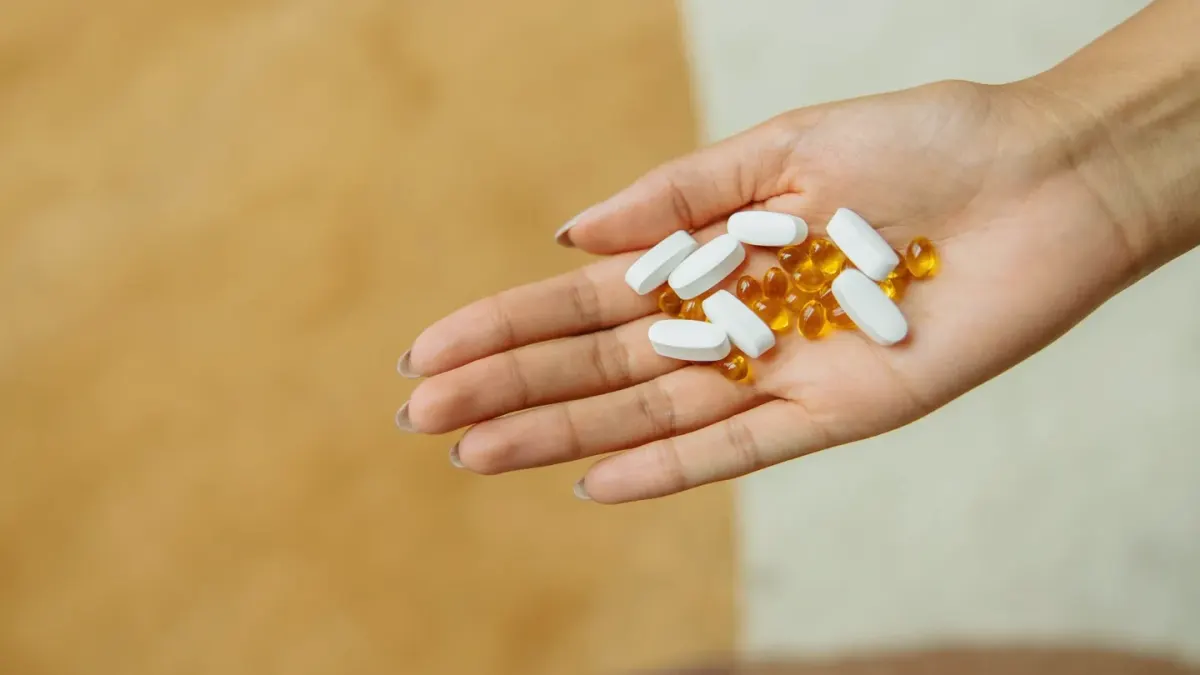
- Space it out. Keep at least a two-hour gap between the antibiotic dose and the probiotic dose, per VCA Animal Hospitals — give them together and the antibiotic can knock down the live organisms before they’ve done anything.
- Start early, not late. Begin the probiotic on day one of the antibiotic course rather than waiting for diarrhea to show up.
- Keep going after the prescription ends. Continue for one to two weeks past the last antibiotic dose — the gut’s diversity lags behind the drug’s clearance.
- Read the label for a named strain and a count. “Probiotic blend” on its own tells you nothing; a labeled genus, species, and CFU count tells you what was actually studied.
- Call your vet first if your dog is immunocompromised, post-surgical, or critically ill. That’s the one scenario where a live-organism supplement isn’t a slam dunk.
That’s the practical shape of the answer. The reasoning behind it is worth walking through, because it’s where the marketing and the actual microbiome research start to diverge.
What an antibiotic actually does to a gut, mechanically
An antibiotic doesn’t aim. It’s not smart enough to leave the beneficial fermenters alone while it clears the pathogen you’re treating — it reduces bacterial diversity broadly, across genera that have nothing to do with the infection. That’s the whole rationale for pairing a probiotic with the prescription in the first place: you’re not treating a disease with the probiotic, you’re trying to hold a line on diversity while the drug does its narrower job. A Beneficial effects of probiotics on dysbiosis of gut microbiota induced by antibiotic treatment in healthy dogs: 2025 study on antibiotic treatment in healthy dogs found exactly that pattern — probiotic-supplemented dogs kept steadier community composition through the antibiotic course than dogs given the antibiotic alone.
Think of the gut the way a Chinese-medicine practitioner might describe a disrupted spleen-qi pattern alongside the way a microbiologist describes a diversity index crashing: two vocabularies pointed at the same event. One names a pattern of digestive weakness and dampness following a strong intervention; the other names a measurable drop in Shannon diversity on a fecal sample. I find the two pictures genuinely complementary — the western data tells you what changed, and the whole-patient framing reminds you the dog in front of you is more than a diversity index. Neither replaces the other.
Two timing strategies, compared
Owners tend to land in one of two camps, and it’s worth being blunt about which one the evidence favors.
Camp one: probiotic during the antibiotic course, spaced by two hours. This is what the dysbiosis studies actually modeled. A Preliminary report: Protective effects of probiotics on cefovecin-induced gut dysbiosis in dogs: preliminary report on cefovecin-induced gut dysbiosis found that dogs given a probiotic alongside the antibiotic held stable diversity indices, while the unsupplemented group’s indices dropped. That’s a mechanism win — it doesn’t automatically mean fewer symptoms, but it means the microbial floor didn’t fall out from under the dog mid-course.
Camp two: probiotic only after the antibiotic is finished. This isn’t wrong, exactly — it’s just later than the research suggests is optimal. Waiting until the course ends means the gut spends the entire treatment window losing diversity with no support, then tries to recover afterward. If your dog tolerates the antibiotic well and shows no GI signs, starting the probiotic on day one costs you nothing and matches what the studies modeled.
Imagine a middle-aged Labrador on a ten-day course of clindamycin for a skin infection, otherwise healthy, eating normally. Her owner has two bags in the pantry — a probiotic chew and the antibiotic tablets — and reads the label on each. The temptation is to give both at the same meal because it’s simpler. But dosing at breakfast and dinner respectively, two hours apart, is barely more effort, and it’s the version the dysbiosis literature actually tested. By day four she’s still eating on schedule and her stool hasn’t loosened, which is the quiet, unremarkable outcome you’re actually hoping for — not a dramatic recovery, just an absence of a crash.
Where the evidence is strong, and where it’s still thin
The mechanism case — that antibiotics reduce diversity and a probiotic can blunt that drop — is reasonably well supported across several dog studies now, including work on cefovecin specifically. Where the evidence gets thinner is the leap from “diversity held steadier” to “clinical symptoms were better.” A PMC: systematic review of probiotic use for canine GI disease found a small, moderate-to-high-bias body of literature pointing toward a limited, possibly not clinically meaningful effect on outcomes like stool consistency and duration of diarrhea. And a related Frontiers in Veterinary Science: Probiotic Supplementation and Responder Diversity Metrics in Dogs analysis noted that diversity metrics did not distinguish non-responders from responders — meaning the dogs who visibly did better on a probiotic didn’t necessarily have different microbiome numbers than the ones who didn’t. That’s an honest gap, not a reason to skip the supplement, but it’s a reason not to oversell it.
Consider a senior beagle recovering from a UTI on a two-week course of amoxicillin-clavulanate, prone to soft stool even off medication. Her owner adds a probiotic from day one, spaced from the antibiotic, and also simplifies her diet — no new treats, no fatty scraps — for the duration. When her stool holds firm through the course, it’s tempting to credit the probiotic entirely. The more honest read is that the diet simplification and the probiotic are both doing work, and the research can’t yet cleanly separate how much each contributed. That layered, imperfect picture is the actual state of the science, and it’s worth sitting with rather than smoothing over.
For background on how a normal microbiome is structured before antibiotics ever enter the picture, see our complete guide to dog gut health and digestion and what a healthy dog gut microbiome looks like.
A practical next step
Don’t overthink the pairing — it isn’t dangerous, and it isn’t complicated. Give the antibiotic on schedule, give the probiotic at least two hours apart, start on day one rather than waiting for symptoms, and keep the probiotic going for a week or two after the last pill. Pick a product with a named strain and a stated count rather than a vague blend claim, and if your dog is otherwise fragile — post-surgical, immunocompromised, very young or very old and unwell — loop your vet in before adding anything live to the regimen. That’s the whole decision, and it doesn’t need to be more elaborate than that.
Frequently asked questions
Can I give my dog a probiotic and antibiotic on the same day?
Yes. The concern isn't the same day, it's the same hour. Most vets recommend a gap of at least two hours between doses so the antibiotic has moved past the point where it would neutralize the live cultures.
Should I start the probiotic before, during, or after antibiotics?
Starting on day one of the antibiotic course and continuing for one to two weeks after the last dose is the pattern most consistent with the dysbiosis research. Starting only after the course ends means the gut has already lost diversity before support arrives.
Do all probiotic brands work the same way with antibiotics?
No. The research behind antibiotic-associated dysbiosis uses specific, named strains at specific doses — not a generic label claim. A product that lists its strains and colony-forming-unit count is doing more for you than one that just says 'probiotic blend.'
Is it ever unsafe to combine a probiotic with an antibiotic?
For most healthy dogs, no — the two aren't contraindicated. The exception is a severely immunocompromised or critically ill dog, where any live-organism supplement should go through your veterinarian first.
Sources
- Beneficial effects of probiotics on dysbiosis of gut microbiota induced by antibiotic treatment in healthy dogs — PubMed
- Preliminary report: Protective effects of probiotics on cefovecin-induced gut dysbiosis in dogs — PubMed
- Clinical effect of probiotics in prevention or treatment of gastrointestinal disease in dogs: A systematic review — PMC
- Probiotics — VCA Animal Hospitals
- Probiotic Supplementation and Responder Diversity Metrics in Dogs — Frontiers in Veterinary Science