If your dog is eating dirt, log meals, stool, and timing for two weeks, then call your vet if the pattern holds.
On this page
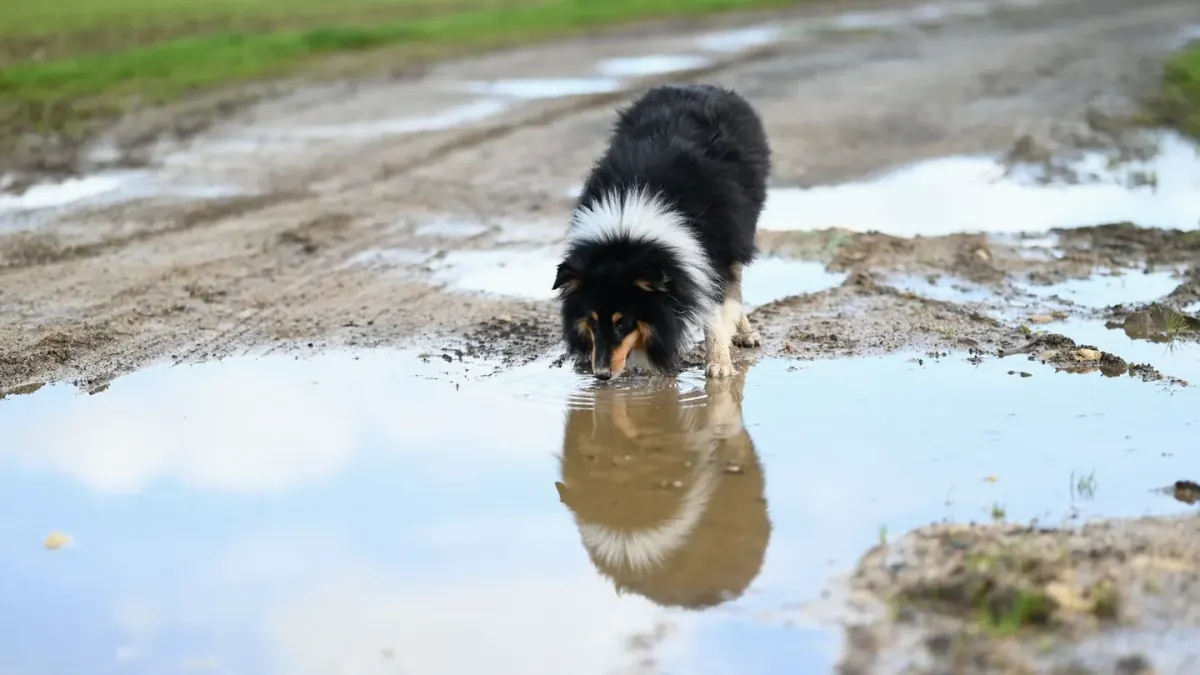
A dog eating dirt looks like mischief, but in my exam room it usually reads as information — hunger, boredom, an unsettled stomach, or a diet that needs tuning alongside acupuncture support, herbal direction, food therapy, and Tui-na-informed handling as one integrative plan.
I treated Bode, a 9-year-old intact male West Highland White Terrier mix from Kenosha, Wisconsin, whose owner Yolanda noticed him licking mouthfuls of garden soil every afternoon. His meals had not changed, but his stools had turned soft, his midday restlessness had risen, and the pattern pointed less to disobedience and more to gut discomfort paired with under-stimulation. In TCVM terms we would call that a Spleen-Stomach center losing its steady transformative rhythm; in Western terms we would say digestion, motility, and routine were all asking for review.
Why gut and diet come first
Pica — eating non-food things like dirt, rocks, or clay — has many triggers, and VCA Hospitals notes that medical causes include intestinal disease, malabsorption, anemia, and dietary deficiency alongside behavioral causes like boredom and anxiety. That Eastern pattern of weak center plus Western structure/function of poor nutrient uptake may help support the same clinical picture: low energy, loose stool, dull coat, and a dog searching the yard for something missing.
Pumpkin fiber is a gentle, natural source of both soluble and insoluble fiber, which is why food therapy often starts with fiber balance rather than punishment. Too little fermentable fiber can leave stools loose and dogs grazing, while too much can speed transit and reduce nutrient absorption — a balance reviewed in our guide on Can You Give a Dog Too Much Fiber? What the Research Actually Shows. A balanced gut microbiome supports overall immune function, and steady meals, adequate protein and fat, fresh water, and predictable walks may help support normal stool and calmer foraging behavior.
When dirt eating needs a prompt vet visit
Most single licks on a walk are not emergencies. Call sooner when dirt eating is daily, intense, or paired with vomiting, diarrhea, weight loss, pale gums, lethargy, bloating, coughing, or eating rocks, mulch, or fertilizer-treated soil. The Merck Veterinary Manual describes how foreign material can irritate the stomach and intestines and, with larger objects, risk obstruction — which is why amount and material matter more than the quirk itself.
Puppies explore with their mouths, seniors with cognitive change may develop new oral habits, and recently rehomed or under-exercised dogs may dig and taste from boredom. Track whether it happens before meals, after meals, on walks only, or in one yard spot, and bring photos of the diet label, treats, chews, and any fertilizer or topsoil products used.
What to track for two weeks instead of scolding
For Bode, Yolanda kept a simple log and the afternoon soil-licking faded once meals were split, fiber was steadied, and midday play replaced yard time alone. Hands-on Tui-na along the back and belly, consistent feeding times, and warm, cooked, easy-to-digest foods completed the plan as one integrative approach rather than four separate fixes.
Try this log:
- When: time of day, before or after meals, walk or yard
- What: plain soil, sandy spot, muddy puddle edge, mulch, rocks
- Diet that day: food, amount, treats, table scraps, new chews
- Stool and stomach: form, gas, vomiting, appetite change — see our pieces on Dog Gas Remedy: What the Research Actually Supports and Digestive Enzymes for Dogs: What the Research Actually Supports
- Behavior: exercise, alone time, stressors, training progress
Bring the log if the habit persists beyond two weeks, escalates, shifts to rocks or other non-foods, or if stool stays soft. Your veterinarian may check fecal parasites, bloodwork for anemia and organ function, diet adequacy for life stage, and mouth or gastrointestinal pain before discussing probiotics, prebiotic fiber, or other gut support.

How to respond without making it worse
Interrupt calmly, trade for a treat, and redirect — then fix the setup. Rinse muddy paws and mouth area, block access to fertilized beds and compost, offer sniff walks and chew outlets, feed measured meals on schedule, and transition foods slowly to avoid the post-switch looseness described in Dog Stomach Upset When Switching to Raw Food: What the Gut Is Telling You. In my practice, acupuncture to settle the gut axis, a Chinese herbal formula matched to pattern, food therapy centered on warm digestible meals, and Tui-na to ease abdominal tension work best as one whole-patient plan, with expectations set as may help support normal digestion rather than cure pica overnight.
Frequently asked questions
Is it normal for dogs to eat a little dirt?
An occasional lick on a walk is common, especially in puppies. Daily eating, large amounts, or eating rocks, mulch, or treated soil deserves a vet check.
Can diet cause dirt eating?
It can contribute. Hunger, underfeeding, poorly balanced homemade diets, sudden food changes, and ongoing loose stool or gas can increase foraging. A two-week log of meals, stool, and timing helps your vet sort it out.
Should I use a probiotic if my dog eats dirt?
Not as a first solo fix. Address parasites, anemia, diet adequacy, pain, and boredom first, then ask your vet whether a probiotic or fiber change fits your dog's case.