Keep chicken and beef out only when a strict 8-week elimination trial points to them, then feed a complete novel-protein diet that still meets AAFCO balance.
On this page
Cassandra first wondered about chicken when Koukla, her 7-year-old spayed female Miniature Schnauzer in Lakewood, Colorado, cycled through itchy ears and soft stools every few weeks despite a tidy routine. The pattern is familiar in nutrition rounds, and it invites a careful question rather than a fast swap, because chicken and beef are common proteins in the bowl and therefore common suspects, but presence alone does not prove cause.
From a gut-first view, an adverse food reaction is an immune or intolerance response to a specific protein or ingredient, while most vomiting, gas, or loose stool comes from diet change, excess fat, fiber shifts, or non-food disease. That distinction matters for the microbiome too, since abrupt changes in protein and fiber reshape fermentation even when the immune system was never involved. The mechanism to test is specificity, meaning signs should fade when the suspect proteins are fully removed and return when they are reintroduced.
Why chicken and beef draw suspicion
Chicken and beef top many ingredient panels, so dogs with true food allergy have often met them repeatedly. That finding explains suspicion, but it does not mean those proteins trouble healthy dogs or that avoiding them improves digestion on its own.
A whole-patient lens adds another filter. In TCVM food therapy, chicken is often described as warming and beef as neutral to warming, so a dog that runs hot, red, and restless may seem to do better away from them for reasons that have little to do with allergy. Tradition can guide observation of energy, stool form, skin warmth, and appetite, yet only a structured trial separates a food-therapy preference from an immune reaction.
What an elimination trial actually requires
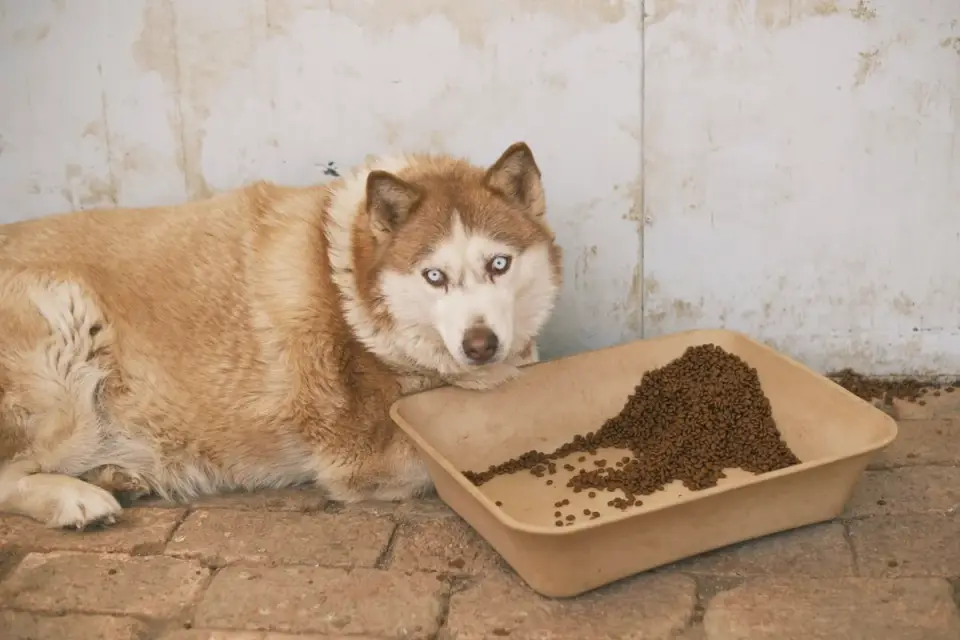
The reliable test is a strict elimination trial followed by rechallenge, not a rotation of bags. Veterinary dermatology guidance generally describes feeding one novel or hydrolyzed protein diet with no other foods, treats, table scraps, or flavored preventives for about eight weeks, then reintroducing the old protein to see if signs return. Improvement alone is suggestive, while relapse on rechallenge is what implicates chicken or beef.
Regina faced that discipline with Wilma, her 10-year-old spayed female Shiba Inu in Richmond, California, whose licking and ear debris eased only after every chicken-based treat left the house. Stories like that illustrate why partial avoidance fails, since a single dental chew, training bit, or beef broth can sustain exposure. During the trial, track itch scores, ear redness, vomiting, stool consistency, and appetite weekly, and keep the fiber and fat level steady so the gut has one variable to answer.
If signs do not change by eight weeks despite strict compliance, chicken and beef are unlikely drivers and the search should turn to other ingredients, environmental allergy, parasites, or gastrointestinal disease with a veterinarian. That negative result is useful, because it prevents years of unnecessary restriction.
Reading a label without chicken or beef
Once a trial points away from chicken and beef, label reading becomes a maintenance skill. The FDA explains that pet food labels must list ingredients by weight and name the animal protein source, which helps owners spot chicken fat versus chicken protein, beef meal versus fresh beef, and hidden poultry digests or broths. For context on order and weight tricks, see What the First Five Ingredients Really Tell You.
A limited-ingredient diet may help support compliance because fewer components mean fewer places for cross-contact, but limited does not automatically mean complete, hypoallergenic, or made in a cleaned facility. Look for an AAFCO nutritional adequacy statement for the dog life stage, a named novel protein such as turkey, pork, venison, duck, rabbit, or fish, plus a defined fat source and a fiber blend. Dogs that reacted to chicken protein often still tolerate highly refined chicken fat, yet highly sensitive dogs should avoid the line unless the manufacturer confirms protein removal.
Cross-contact is the quiet reason trials fail. Treats, rotation toppers, and bulk-bin kibble can carry poultry dust, so buy sealed bags and treats that match the trial protein and wash scoops and bowls between diets. When moving to the final diet, transition gradually over 7 to 10 days as described in How Much New Food to Mix In When Switching Dog Food, unless the veterinarian advises an abrupt change for the trial itself.

Keeping the diet complete after removal
Removing two affordable proteins can narrow amino acids, fatty acids, vitamins, and minerals if the replacement is not formulated to stay complete. The National Academies nutrient requirements work underpins AAFCO profiles for growth, maintenance, and reproduction, which is why the adequacy statement matters more than the novelty of the protein. Homemade pork-and-potato or fish-and-rice cooking without a balancing method often falls short on calcium, zinc, iodine, vitamin D, and choline.
Fiber deserves deliberate attention during and after the switch. Gentle soluble and insoluble sources such as pumpkin, oats, or beet pulp may help support normal stool form by feeding steady fermentation, while sudden jumps in total fiber can loosen stool even when protein is correct. Keep total intake measured, weigh meals rather than scooping, and ask the veterinarian whether omega-3s, probiotics, or a short course of gut support fit the whole plan. Like neurology and needling, nutrition works best when mechanism and daily habit point the same way, with imaging-grade rigor on diagnosis and food-therapy care on feeding rhythm.
Owners who confirm chicken or beef as triggers can feed confidently without them for years. Owners who do not find a link gain something just as valuable, which is permission to return to a balanced diet that includes those proteins and to focus next steps where the evidence leads.
Frequently asked questions
How do I know if my dog needs food without chicken or beef?
Suspicion alone is not enough. Feed a strict single-protein elimination diet for about 8 weeks with no other treats or flavored products, then reintroduce chicken or beef with your veterinarian to see if signs return.
What proteins can replace chicken and beef?
Common options include turkey, pork, fish, duck, venison, or rabbit in a diet labeled complete for your dog life stage. Choose one novel protein at a time so the trial stays interpretable.
Is chicken fat safe if chicken protein is a trigger?
Highly refined fat contains very little protein, so many chicken-allergic dogs tolerate it, but highly sensitive dogs should avoid it unless the maker confirms removal and cleaning procedures.