On this page
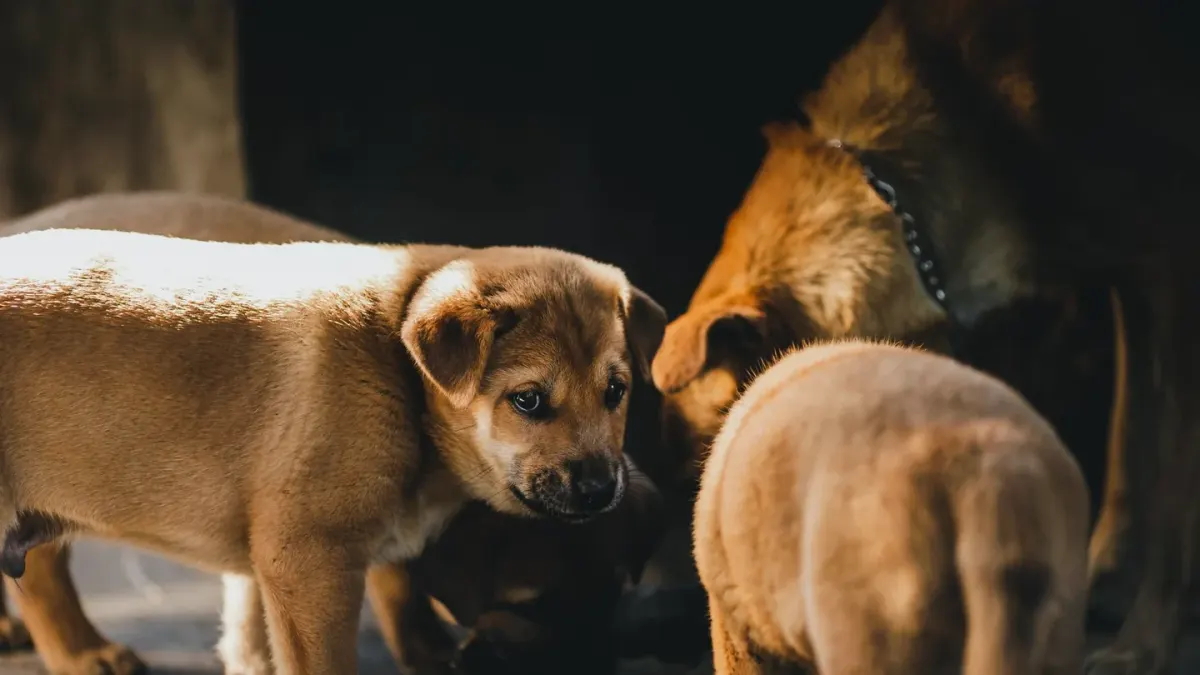
A puppy’s loose stool can often firm up naturally with gentle fiber, steady hydration, and patient food-first care. That’s the short version. The longer version is that puppy digestive systems are works in progress, and a stool that looks alarming on Tuesday can resolve on its own by Thursday if you make a few sensible changes and watch closely.
Why puppy stool goes loose in the first place
A young dog’s gut is still calibrating. The microbial community that lines the intestine, breaks down food, and helps regulate water absorption in the colon is not yet mature, and it reacts to almost everything: a new bag of kibble, a stressful car ride, a treat from a well-meaning stranger, even a change in weather that shifts water intake. None of that means something is medically wrong. It means the system is sensitive, and sensitive systems respond well to consistency.
Diet transitions are the single most common trigger I see in practice. Puppies who go from one food to another overnight, or who free-feed a rotating cast of treats, tend to have looser stool than puppies on a steady, slowly-introduced diet. Stress belongs on that list too. A puppy who just left its littermates, started crate training, or met a new dog can run loose for a day or two purely from cortisol and gut-motility changes, no dietary trigger required.
The food-first fixes that usually work
Start simple. Feed the same food, at the same times, in the same amounts, and resist the urge to introduce anything new while things settle. If a diet change is genuinely needed, stretch it over seven to ten days, mixing in a little more of the new food each day rather than swapping cold turkey.
Fiber is worth understanding on its own, because it does real mechanical work. A gentle source that combines soluble and insoluble fiber, such as plain canned pumpkin, is a common food-first way to work on stool form: soluble fiber absorbs water and slows transit just enough to firm loose stool, while insoluble fiber adds bulk that helps the colon regulate itself. Keep it plain and unsweetened, without pie spices. Hydration deserves equal billing. A puppy losing extra fluid through loose stool needs more water access, not less, and small, frequent water offerings often work better than one large bowl a stressed puppy ignores.
Our Complete Guide to Dog Gut Health and Digestion goes deeper on how fiber, hydration, and feeding rhythm interact across a dog’s whole life, not just puppyhood, if you want the fuller picture.
Where probiotics and enzymes actually fit
This is where I want to be honest about what the research supports and where it’s thin. Probiotic supplements are widely marketed as a fix for loose stool, and some puppies do seem to respond. But a 2025 randomized trial in dogs found that Frontiers in Veterinary Science: diversity metrics did not distinguish non-responders from responders — meaning we still can’t reliably predict, from a gut-diversity snapshot, which dogs will benefit from a given probiotic strain. That’s a meaningful gap. It doesn’t mean probiotics are useless; it means the field hasn’t nailed down who they help and why, so treat any single-brand promise with some skepticism.
Digestive enzymes are a narrower tool, and it’s worth knowing where they’re actually indicated. In diagnosed exocrine pancreatic insufficiency, the JAVMA review notes that the condition is treated by pancreatic enzyme replacement therapy, nutritional management with low-residue, moderate-fat diets, and cobalamin supplementation. That’s a specific, diagnosed disease process, not garden-variety puppy diarrhea. The same review points out that even after enzyme therapy starts, researchers are still working to understand why dysbiosis can persist, which is a good reminder that enzymes and probiotics are supportive tools within a plan, not stand-alone cures.
Our guide to What a Healthy Dog Gut Microbiome Looks Like covers what a well-balanced gut community actually does day to day, which is useful context before you reach for any supplement aisle.
Gentle bodywork and whole-puppy support
In my own practice, I think about loose stool as one signal in a whole-patient picture, not an isolated plumbing problem. Slow, gentle abdominal massage after meals, done calmly and briefly, may help maintain normal gut motility and can be a useful piece of a food-first plan alongside fiber and hydration. I frame this kind of hands-on care as manipulation and mobility support for the digestive tract, the same way I’d think about supporting a joint. It’s not a fix on its own. It works best layered onto consistent feeding, adequate water, rest, and a calm routine while the gut settles.
Sleep and stress matter more than owners expect. A puppy running on an erratic schedule, overstimulated by a busy household, often shows it in stool consistency before anywhere else. Building in quiet rest periods is a small, low-effort lever that pairs naturally with the dietary changes above.
When to call the vet instead of waiting it out
Mild, short-lived loose stool in an otherwise bright, playful, eating-and-drinking puppy is usually fine to manage at home for a day or two. But call your vet promptly if the stool has blood or mucus, if your puppy is lethargic, vomiting, refusing food, or if the loose stool lasts more than about 48 hours. Puppies dehydrate faster than adult dogs, and what looks like a simple food-first situation can turn serious quickly in a small body. When in doubt, a same-day call to your veterinary team costs you little and rules out the things that genuinely can’t wait.
Most of the time, though, the fix really is the boring one: steady food, real hydration, a little fiber, a little patience, and an eye on the clock for anything that looks like more than a routine adjustment.
Frequently asked questions
How long should I wait before worrying about a puppy's loose stool?
Give it 24 to 48 hours of consistent, food-first care if your puppy is otherwise bright, eating, drinking, and playful. Beyond that window, or sooner if you see blood, lethargy, or vomiting, call your vet.
Is pumpkin actually helpful for firming up puppy stool?
Plain canned pumpkin (not pie filling) provides both soluble and insoluble fiber, which can help firm stool and add bulk. It's a low-risk, food-first option many vets recommend as a first step.
Do probiotics reliably fix loose stool in puppies?
Response varies by dog. A 2025 randomized trial found that gut-diversity measurements didn't distinguish which dogs responded to probiotics, so the evidence for predicting who benefits is still limited.
When are digestive enzymes actually needed?
Enzyme replacement is a targeted treatment for diagnosed conditions like exocrine pancreatic insufficiency, used alongside a low-residue, moderate-fat diet and cobalamin supplementation, not a general remedy for everyday loose stool.
Sources
- Exocrine pancreatic insufficiency management review — JAVMA
- Probiotic responder study in dogs — Frontiers in Veterinary Science