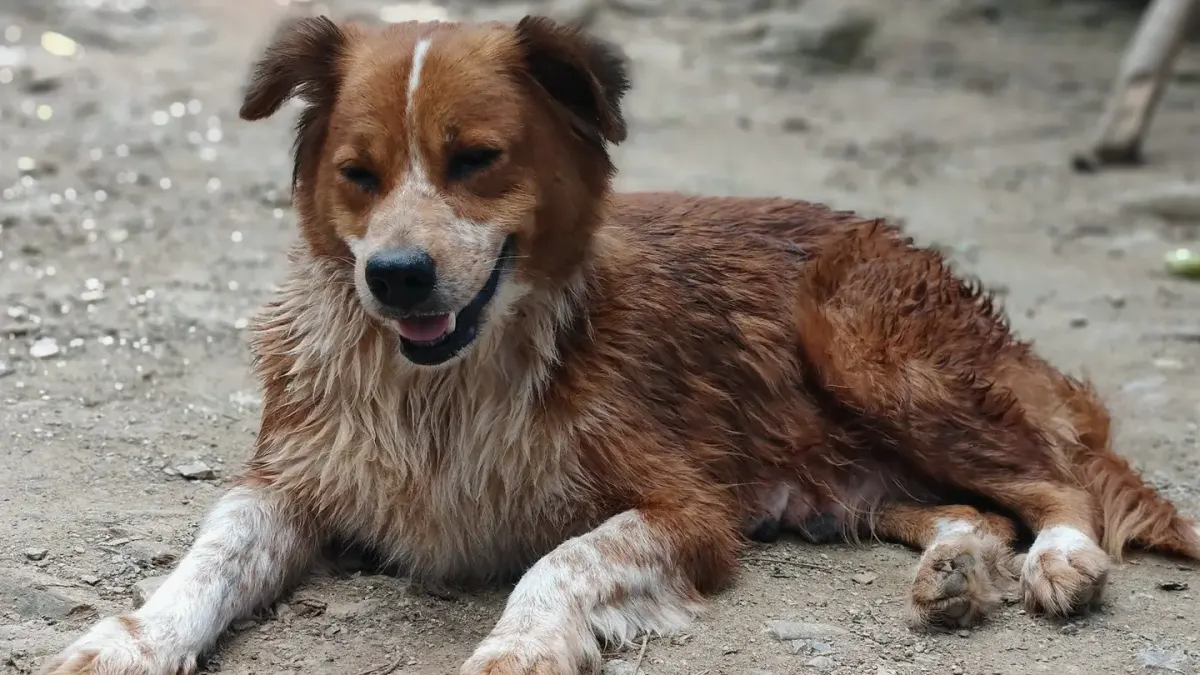
On this page
So, Does Rice Water Actually Belong in the Diarrhea Toolkit?
Here’s the short checklist before you reach for the stockpot:
- Stool is soft or watery, but the dog is otherwise bright, eating some, and not straining. Rice water is a reasonable trial.
- It’s been going on less than 24-48 hours. Longer than that, or any blood, mucus, or repeated vomiting, means a vet visit, not a home remedy.
- The dog is a healthy adult, not a puppy, senior, or one managing a chronic GI or pancreatic condition. Those dogs need a diagnosis first.
- You’re using it as a hydration bridge alongside a bland diet, not as the whole plan. Plain, unsalted, and temporary.
If all four boxes check out, plain rice water is a low-risk, genuinely old idea that still holds up in a narrow way: it gives a gut that’s moving too fast something bland and starchy to slow the trip through, plus a little extra fluid. What it will not do is treat whatever is actually driving the diarrhea, and that distinction is where most of the internet’s advice quietly falls apart.
What Rice Water Is Actually Doing, Mechanistically Speaking
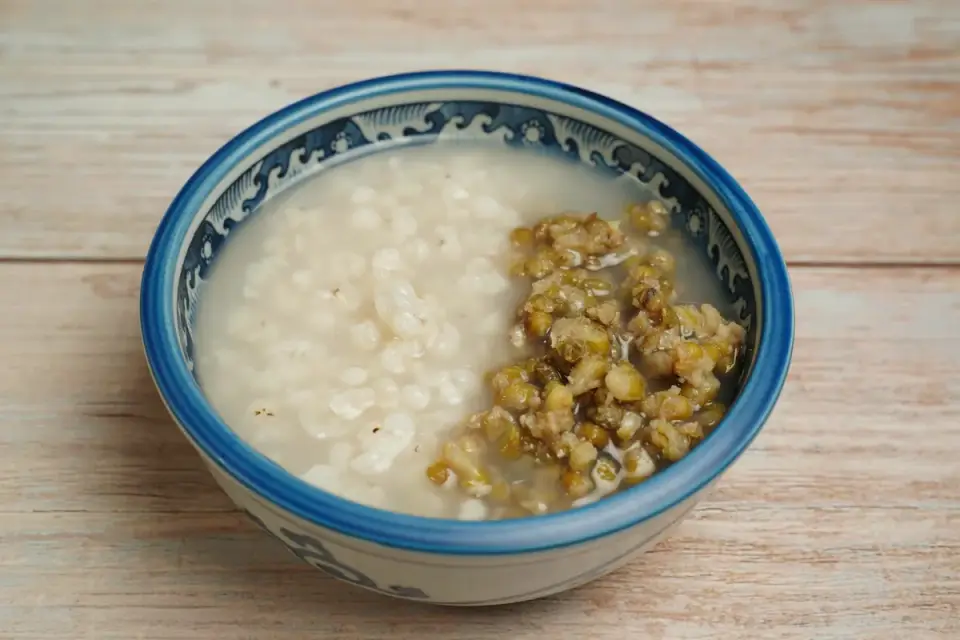
Rice water is the strained, starchy liquid left after simmering plain white rice in extra water. The starch is mildly binding as it moves through the gut, and the added fluid offers a gentle way to keep a dog drinking when appetite for food, and sometimes for water itself, has dropped. That’s genuinely useful for the first day of an ordinary, self-limiting bout — the kind triggered by a dietary indiscretion, a sudden food switch, or mild stress colitis.
But it’s worth being blunt about what rice water is not. It carries almost no protein, fat, or meaningful electrolyte load. A dog that is truly dehydrated, not just having loose stool, needs a properly balanced oral rehydration solution or subcutaneous fluids from a vet, not a bowl of starchy water. Used correctly, rice water is a short bridge measured in hours, not a nutrition plan measured in days.
Where the Evidence Runs Out
The deeper research on supporting a dog’s gut during diarrhea is real, but it’s also more limited than the confident tone of most home-remedy posts. Probiotic trials are a good example. A randomized trial published in Frontiers in Veterinary Science found that diversity metrics did not distinguish non-responders from responders — in plain terms, dogs who improved and dogs who didn’t had gut communities that looked similarly diverse going in. That’s a meaningful limit: it means we can’t yet predict, from a stool sample alone, which dog will actually benefit from a given probiotic strain. Our guide on what a healthy dog gut microbiome looks like goes further into why diversity alone is a poor stand-in for function.
Nutritional management research tells a similar story of real but bounded evidence. For a genuine underlying disease like exocrine pancreatic insufficiency, treatment is enzyme replacement, cobalamin supplementation, and diet — specifically, EPI is treated by pancreatic enzyme replacement therapy, nutritional management (low-residue diets with moderate fat content), and supplementation of cobalamin, according to a review in JAVMA. That same review is candid about the gaps left behind: future studies are needed to further understand the causes of persistent dysbiosis in animals with EPI following initiation of pancreatic enzyme replacement therapy and assess the efficacy of treatments to ameliorate these abnormalities. In other words, even in a well-characterized disease with an established treatment protocol, the gut microbiome doesn’t simply snap back to normal once the underlying problem is addressed. That’s a humbling data point for anyone selling a single supplement as a fix-all.
The One Pattern I Organize This Whole Toolkit Around
Suppose a four-year-old mixed-breed dog skips a meal, has two loose stools overnight, and is otherwise wagging, drinking, and asking to go outside on schedule. The tempting move is to layer on remedies — a splash of rice water, a probiotic packet, maybe a spoonful of pumpkin — all at once, hoping something sticks. I’d rather the owner do one thing at a time and actually watch it work. Give plain rice water and a bland, low-residue meal for a day. If stool firms up, stop there; you’ve supported an ordinary gut upset without overcomplicating it. If it doesn’t, that’s useful information, not a failure, and it’s the signal to bring in a vet rather than the next home remedy off a forum.
That’s the pattern I keep coming back to across this whole toolkit, whether we’re discussing rice water, probiotics, or digestive enzymes: match the tool to how mild and how short the problem actually is, and treat anything beyond that window as a diagnostic question, not a supplement question. The strongest counterargument I hear is that rice water is harmless, so why not add it every time, just in case? I understand the instinct, but stacking remedies for a problem you haven’t defined yet tends to blur the signal you need most — whether the dog is actually improving. A gut that’s cycling through loose stool for a real reason, low-grade pancreatic insufficiency, a food intolerance, parasites, deserves a workup, not a rotating home-remedy cabinet.
Picture a different case: an eight-year-old dog with soft stool that’s been recurring on and off for three weeks, alongside gradual weight loss. Rice water might quiet a single episode, and it may feel like progress. It isn’t. A recurring pattern like that is exactly the kind of presentation the JAVMA review is describing when it discusses conditions that need enzyme replacement and targeted nutritional management, not another kitchen remedy. Reaching for rice water here doesn’t cause harm on its own, but it can buy weeks of delay on a diagnosis that actually matters.
When Rice Water Is the Wrong Move
Skip the home remedy and call your vet if you see any of the following: diarrhea lasting more than a day or two, blood or black, tarry stool, repeated vomiting, a dog who’s lethargic or refusing water, a puppy or senior dog, or a dog with a known GI, kidney, or pancreatic condition. None of that is a reason to panic, but it is a reason to get a real exam instead of guessing. For a broader framework on supporting digestion day to day, not just during a flare, see the complete guide to dog gut health and digestion.
A Practical Verdict
Rice water earns a place in the cabinet for one job: gentle, short-term hydration support during a mild, ordinary bout of loose stool in an otherwise healthy adult dog. It doesn’t replace a real oral rehydration solution, it doesn’t treat an underlying disease, and it shouldn’t buy time past 24-48 hours without improvement. Use it for what it is, a bridge, and let the dog’s actual response, not the remedy itself, tell you when it’s time to call the vet.
Frequently asked questions
How do I make rice water for a dog with diarrhea?
Simmer plain white rice in extra water (roughly a 1:6 rice-to-water ratio) until the grains are soft, then strain off the cloudy liquid and let it cool. Offer it plain, unsalted, and unseasoned, in small amounts between regular water offerings.
Is rice water the same as feeding a dog plain rice?
No. Plain boiled rice supplies some calories and bulk as part of a bland diet; rice water is just the starchy cooking liquid, useful mainly for gentle hydration, not nutrition.
Can rice water replace an electrolyte solution for a dehydrated dog?
Not reliably. Rice water lacks the sodium and potassium balance of a proper oral rehydration solution, so a dog that's noticeably dehydrated needs veterinary fluids rather than a kitchen remedy.
How long can I try rice water before calling the vet?
If loose stool hasn't improved within 24-48 hours, or if there's blood, repeated vomiting, lethargy, or the dog is a puppy, senior, or has an existing condition, stop experimenting and get a veterinary exam.
Sources
- Exocrine Pancreatic Insufficiency Management in Dogs and Cats — JAVMA
- Fecal Microbiota Response to Probiotic Supplementation in Dogs — Frontiers in Veterinary Science