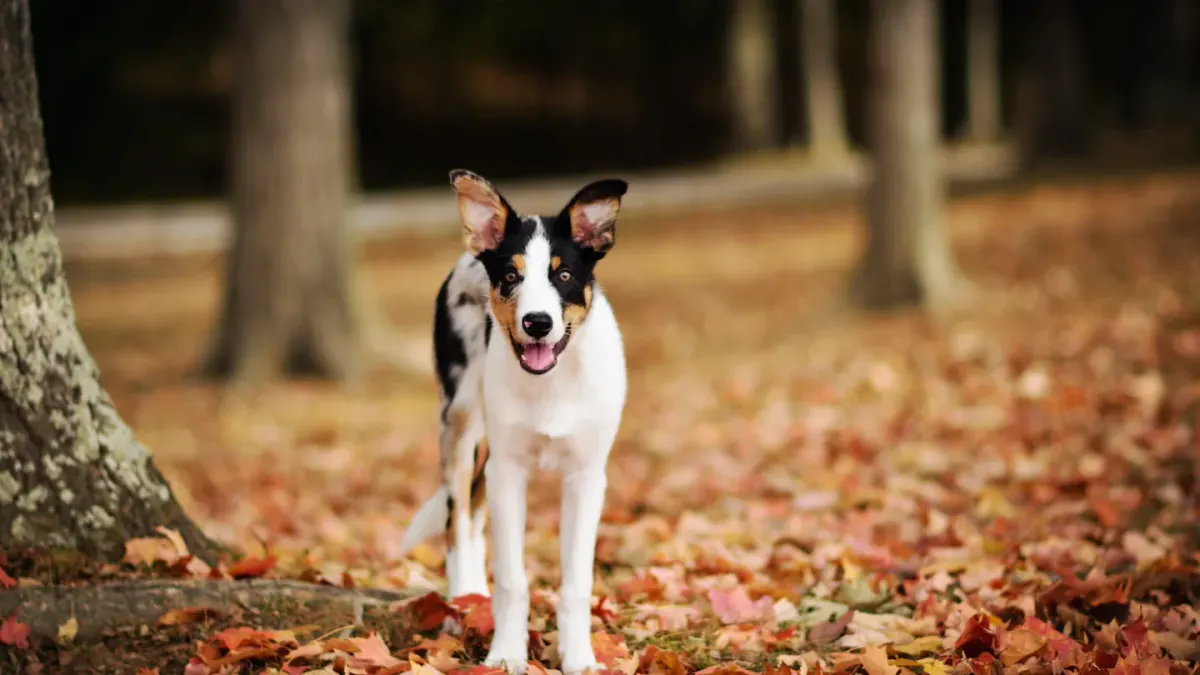
A 5-month-old 48-pound Golden Retriever puppy slides on the kitchen floor, pops back up, and bunny-hops for two strides before settling into a normal trot, and her owner wonders whether that was clumsiness or an early hip clue worth working up. I meet that worry with compassion first, because Goldens carry both genetic loading for hip laxity and a fast growth curve that makes every gait quirk feel significant. The hip is a ball-and-socket joint stabilized by the joint capsule, round ligament, dorsal acetabular rim, and surrounding muscle, and dysplasia begins when laxity allows micro-subluxation that abrades cartilage and remodels the socket. Screening does not diagnose pain at this age; it estimates laxity and conformation to guide weight, exercise, and breeding decisions.
That early laxity matters because cartilage has limited repair capacity once shape changes. Joint fluid nourishes cartilage and buffers load, and one reason I track the supplement literature is that chondroitin “supports healthy synovial fluid homeostasis” as reviewed in Frontiers in Veterinary Science. In laboratory work, glucosamine was shown to “prevent experimentally induced cartilage degradation in vitro” according to Journal of Veterinary Medical Science. Green-lipped mussel work is earlier still, with one rodent study finding that “BMO, GMO, and KO all alleviated paw swelling in rats and reduced serum levels of rheumatoid factor (RF), anti-cyclic citrullinated peptide (anti-CCP) antibody, and pro-inflammatory cytokines such as TNF-α and IL-17” in Nutrients. Say honestly when the science is unsettled: none of that screens a hip or rebuilds a shallow socket.
How laxity becomes dysplasia in a growing Golden
Goldens combine relatively rapid weight gain, a deep chest over a narrower pelvis, and enthusiastic activity, which concentrates shear across a soft puppy joint. When the femoral head drifts even millimeters from center, load moves from broad cartilage to the acetabular edge. The body responds with capsular thickening, osteophyte formation, and flattening of the socket. That is why two puppies with the same genes can diverge: lean growth, traction, controlled exercise, and early detection of marked laxity change the mechanical input while bone is still plastic.

A hands-on exam at 4 months old and 38 pounds showed a soft Ortolani clunk on the left but no pain, and the family had already been told by a breeder forum to wait until two years for any radiograph. We talked through the tradeoff in the exam room: waiting avoids an anesthetized puppy film that cannot certify breeding status, but it also loses the window when laxity is most modifiable and when a surgeon could still consider a juvenile pubic symphysiodesis if laxity proved severe. They chose a sedated laxity view now with a plan to repeat a standard extended view later, accepting extra cost and sedation to buy information. By three weeks in on a lean-growth and controlled-activity plan, the puppy’s sit was squarer and stair hesitation had faded, though I was clear the joint shape had not been proven changed.
Palpation versus pictures: what each screen actually measures
A conscious orthopedic exam checks muscle symmetry, range, pain response, Ortolani and Barlow signs, and gait at walk and trot. It is inexpensive and repeatable, and it may help localize which leg bothers the puppy. It cannot quantify laxity.
That quantification comes from two different radiographic philosophies. The extended-hip view graded by the Orthopedic Foundation for Animals evaluates conformation at 24 months for certification, with preliminary evaluations available earlier, scoring hips as excellent through dysplastic based on congruity, Norberg angle, and degenerative change. It is widely understood by breeders and buyers, and it supports long-term joint records.
Distraction-based PennHIP testing developed at the University of Pennsylvania measures passive laxity as a distraction index, often starting at 16 weeks, under sedation with compression, distraction, and extended views. A lower index means a tighter hip; Goldens as a breed trend looser than many breeds, so the percentile within Goldens matters more than the raw number alone.
Prelims may help predict the adult grade but do not replace it.
Where I land on timing for Golden puppies
My evidence-bounded recommendation is paired screening: a careful exam plus one laxity-quantifying radiograph at 16 to 20 weeks for high-risk Golden puppies, then a standard adult conformation film at 24 months if breeding or a definitive grade is needed. The strongest counterargument is practical: sedation cost, radiation, specialist access, and the anxiety of labeling a happy puppy with a number that may never translate to lameness. I still land on early measurement because it changes management while growth plates are open.
For background on what daily support may and may not do alongside that plan, see How to Choose a Hip and Joint Supplement for Your Dog and Best Joint Supplement for Dogs: An Orthopedic Read of the Label Claims.
An 11-month-old 71-pound adolescent Golden presented for a pre-spay exam with perfect OFA-style positioning requested by the owner and no prior laxity measurement, and the extended view looked reassuringly tight. On distraction the same dog would likely have shown more laxity than the tucked, spiraled extended position suggests, and that gap is the edge case owners miss: a good-looking extended view in a muscular adolescent can mask passive laxity, while sedation depth, positioning, estrus timing, and weight that month can each nudge the image. She left with a lean weight target, no repetitive ball-chasing on slick ground, and a plan to certify at two years rather than declare victory early. By day 10 after adjusting calories and adding structured leash walks, her post-rest stiffness was shorter, which informed comfort but not the underlying grade.
Frequently asked questions
At what age can a Golden Retriever puppy be screened for hip dysplasia?
A veterinarian can examine gait and perform Ortolani testing from a few months of age, distraction laxity testing is often done from about 16 weeks under sedation, and definitive OFA certification is at 24 months.
Is OFA or PennHIP better for a Golden puppy?
They measure different things: PennHIP quantifies passive laxity early and OFA grades conformation and arthritis later. Many Golden owners use an early laxity film to guide growth management and an adult film for breeding decisions.
Can a puppy with loose hips still become sound?
Laxity raises risk but does not guarantee lameness. Lean weight, controlled exercise, good footing, and prompt veterinary follow-up may help support comfort and mobility, though they do not reshape a severely dysplastic socket.
Sources
- Chondroitin and synovial fluid homeostasis — Frontiers in Veterinary Science
- Glucosamine and experimental cartilage degradation — Journal of Veterinary Medical Science
- Mussel oils and inflammatory markers in rats — Nutrients
- Hip Dysplasia — Orthopedic Foundation for Animals
- PennHIP — University of Pennsylvania