
On this page
Chris pours kibble for Madeline, his 2-year-old spayed Saint Bernard in Pasadena, Texas, and she sniffs and walks away for the third night in a row. Warm water helps a little. A spoonful of warm, plain meat gravy helps more.
That is the whole job of a topper. Add aroma and moisture. Keep the base diet balanced. Stop at a spoonful.
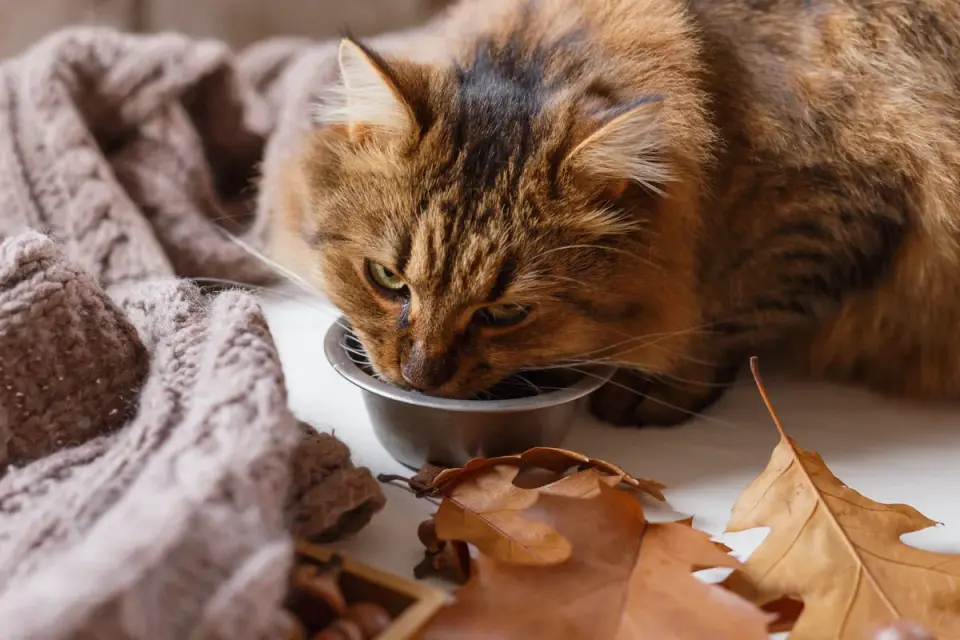
When a topper helps and when it hides a problem
Reach for gravy when appetite dips from boredom, dry kibble texture, new surroundings, or short-term fussiness. Appetite is driven by smell, warmth, and mouthfeel as much as by hunger, and a thin warm coating can make a familiar food smell new again.
Pause when the change is sudden or paired with vomiting, diarrhea, weight loss, lethargy, drooling, or refusal lasting more than 48 hours. Vets often see owners mask an early gut or dental problem with richer toppers for a week. Call the clinic first in that pattern, and read How Much New Food to Mix In When Switching Dog Food before changing anything else.
A topper should stay small. Aim for roughly a tablespoon for a small dog and 2 to 4 tablespoons for a large dog like Madeline, or no more than about 10% of daily calories. That limit protects the balance described in How to Balance a Homemade Dog Food Diet.
What stays out of the saucepan
Onion, garlic, chives, and leeks stay out every time. Those Allium vegetables can damage red blood cells in dogs, and powders and soup bases count too. VCA Hospitals lists weakness, pale gums, vomiting, and reduced appetite as signs owners may miss at first.
Heavy fat stays out as well. Poultry skin, bacon grease, drippings skimmed straight from a roast pan, butter-heavy roux, and creamy canned gravy can trigger stomach upset and add far more calories than the appetite lift is worth. The U.S. Food and Drug Administration warns against rich holiday foods and fatty scraps for the same reason.
Leave out added salt, onion soup mix, bouillon cubes, gravy packets, xylitol or birch sugar, and cooked bones. If a broth lists onion or garlic in any form, do not use it.
Make a plain low-sodium meat gravy
Do this in order. It takes about 15 minutes.
Rinse 4 ounces of plain lean ground turkey, chicken breast, or lean beef. Place it in a small saucepan with 2 cups of cold water. Bring to a gentle simmer.
Skim foam and fat as it cooks. Simmer 10 to 12 minutes until cooked through. Pour through a strainer and save the thin cooking liquid. Return the liquid to the pan.
Whisk 1 teaspoon of cornstarch into 2 tablespoons of cold water until smooth. Whisk that slurry into the simmering liquid. Stir 1 to 2 minutes until it lightly coats a spoon.
Cool to lukewarm. Shred a tablespoon of the cooked meat into the gravy if you want texture. Serve that small amount over the regular meal.
Refrigerate the rest in a sealed jar for up to 3 days. Discard if it smells sour. Freeze in ice-cube portions for longer storage and thaw one cube at a time.
Keep it thin. A coating is the goal, not a soup bowl.
How this lands in the gut
From a microbiome view, moisture and gentle warming may help support normal eating behavior without changing the fiber base that feeds colonic microbes. Pumpkin fiber is a gentle, natural source of both soluble and insoluble fiber, which is why plain canned pumpkin often fits better than gravy for loose stool.
Gravy does not add meaningful prebiotic fiber. If stool is the concern, keep the gravy portion fixed and adjust fiber through the base diet, not through richer gravy. For context on labels and fiber claims, see What the First Five Ingredients Really Tell You and What Is a Limited-Ingredient Dog Food, Really?.
Watch the stool for 2 to 3 days after starting a topper. Slightly softer but formed stool that firms back up suggests the portion was close. Gas, very soft stool, or skipped meals mean cut the amount in half or stop.
Where I land, and where I would not use gravy
Both the imaging study and the acupuncture needle point the same way here. Support appetite through warmth, aroma, and routine first. Stay anchored to how a modality is thought to work, not what it might cure.
For most healthy adult dogs, I land on this plain simmer-and-thicken method, kept small and infrequent. For Tala, a 4-year-old spayed Pomeranian in Garden Grove whose owner Wayne weighs every meal after a prior pancreatitis scare, I would not use meat gravy at all.
Dogs with pancreatitis history, kidney disease, heart disease on sodium restriction, or food allergy workups need a different plan. Use warm water, a low-sodium veterinary hydrating topper plan, or the bland option the treating veterinarian names. Fat and sodium are the wrong experiment in those bodies.
Frequently asked questions
How much homemade gravy can I put on dog food?
Keep it small, about 1 tablespoon for a small dog and 2 to 4 tablespoons for a large dog, and keep total extras under about 10% of daily calories.
Can I use store broth or gravy mix for a dog topper?
Most contain onion, garlic, or excess sodium, so read the label and skip any product that lists them. Plain water plus lean meat you cook yourself is safer.
What if my dog still will not eat with gravy?
Stop adding richer food and call your veterinarian if refusal lasts more than 48 hours or comes with vomiting, diarrhea, lethargy, or weight loss.
Sources
- Onion, Garlic, Chive, and Leek Toxicity in Dogs — VCA Hospitals