Dry dog food stays fresh longest — about a month after opening — when kept sealed and cool.
On this page
Unopened kibble is stable for months, but once air gets in, fat oxidation starts the clock faster than the best-by date suggests.
That mechanism is straightforward. Dry food is low in water, so bacterial spoilage is slow. What changes after opening is exposure to oxygen, heat, light and moisture. Unsaturated fats coat the kibble for palatability and essential fatty acids, and those fats oxidize into stale, then rancid, compounds. Palatability drops first. Digestive upset can follow when food is frankly stale or moldy, especially in a warm kitchen.
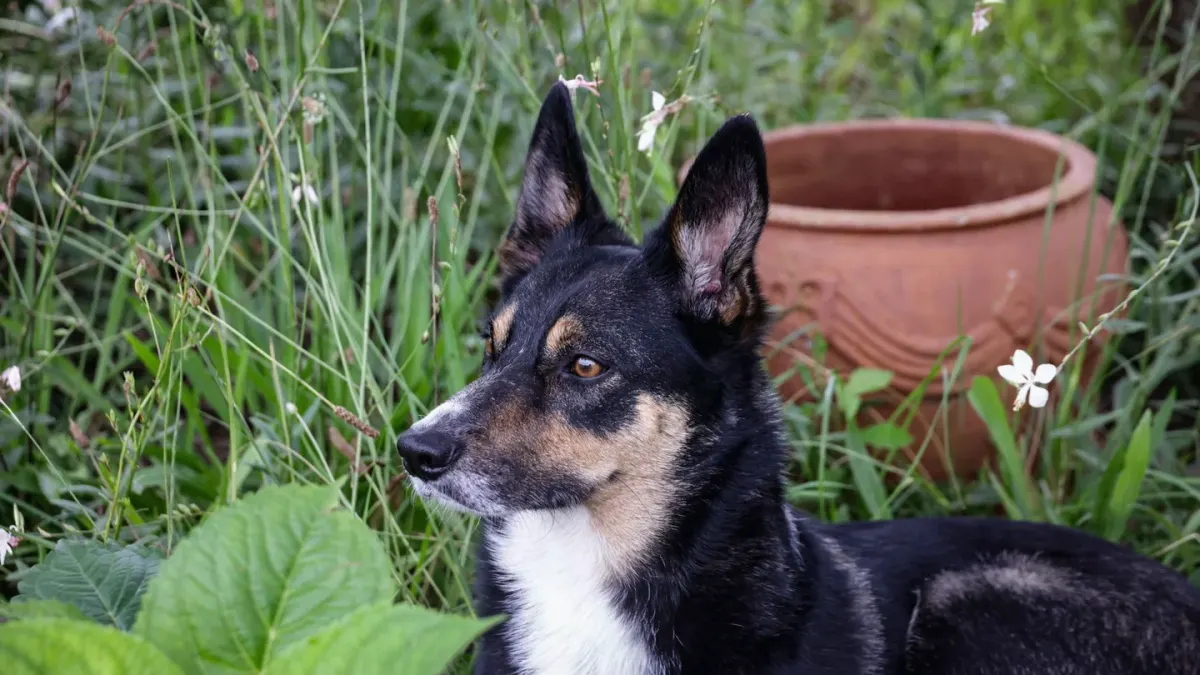
Jeanne in Coral Springs learned this with Kino, her 11-year-old neutered male Miniature Australian Shepherd. She had been tipping a 30-pound bag into a lidded plastic tote in the garage for convenience, and by week five Kino was sniffing breakfast and walking away. Vets often see the same pattern when bulk kibble sits warm and loose. Once she kept the kibble inside its original bag, rolled tight and clipped, and set that bag inside the tote in the house, Kino finished his two daily meals again within 10 minutes.
Why does the bag beat the bin?
The original packaging is doing more work than it looks. Most kibble bags include a grease-resistant liner and a fat barrier designed to slow oxygen and moisture transfer. A loose plastic storage tote, especially a warm one, does the opposite. It adds surface area, traps warm air and can hold old fat residue that seeds rancidity in the new batch.
My position is direct: keep kibble in its original bag, squeeze out air and seal it, then place the whole bag in a clean, dry, lidded container in a cool spot. Reach for both the imaging study and the acupuncture needle here — use the food-science mechanism and the whole-dog observation together, rather than trusting either the date stamp or the smell test alone.
The U.S. Food and Drug Administration makes the same structural point about dry pet food: store it in a cool, dry place, keep it in its original packaging or a clean container, and wash storage containers and scoops to limit contamination.
How long is kibble good once you open it?
There is no single FDA-mandated open-bag limit, so this is where evidence is thin and practice fills the gap. Unopened, follow the best-by or best-before date printed on the bag. Opened, plan on about 4 to 6 weeks for best quality when the bag is resealed and stored cool and dry.
Large bags that last longer than that are the common failure point. Buying a size your dog finishes in about a month does more for freshness than any container. For background on why nutrient profiles assume fresh, properly stored food, the National Academies Press reference Nutrient Requirements of Dogs and Cats remains the standard nutrient framework.
Temperature matters. A pantry around 70°F or below is far better than a garage in Florida summer heat. Avoid sun, avoid damp floors and avoid storing near the stove.
What tells you the food has turned?
Trust the sequence more than one sniff.
Smell shifts from toasty and grainy to sharp, paint-like or sour. Kibble looks dusty, greasy or clumped. The bag feels oily inside. The dog hesitates, eats more slowly or leaves crumbs he once inhaled. Any visible mold, insects, a musty basement smell or a bag that ballooned means discard, not salvage.
One short rule holds.
When in doubt, throw it out.
Stale fat will not nourish the gut the way fresh fat does, and moldy kibble can carry mycotoxins that are not worth the risk. If your dog vomits, has diarrhea, refuses food for more than a day or ate visibly moldy kibble, call your veterinarian rather than waiting it out.

How should you store it day to day?
Start with the bag. Roll the top down tight after each scoop, press out air and clip it. Drop that sealed bag into a food-grade container with a lid, and wash and fully dry the container between bags so old crumbs and fat do not coat fresh kibble.
Keep the label. Lot number, best-by date and feeding directions live on the bag, and you will need them if there is ever a recall question.
Scoop with a clean, dry cup. Do not mix fresh kibble on top of old kibble to “use it up.” Finish one bag before opening the next, and rotate stock first-in, first-out.
Bowl food follows a different rule than bag food. Dry kibble left in the bowl is fine through the day, but discard uneaten moistened kibble after a few hours and wash the bowl. If you are changing foods, pace the swap using How Much New Food to Mix In When Switching Dog Food so stool changes do not get blamed on freshness, and review What Is a Limited-Ingredient Dog Food, Really? before assuming a sensitive stomach means the kibble went bad.
I would change this recommendation if controlled data showed that decanted kibble in a specific airtight, opaque, food-grade container kept peroxide values and palatability equal to the original bag over six to eight weeks in warm homes. Until then, the mechanism plus feeding experience points the same way: the bag inside the bin, bought to size, kept cool.
Frequently asked questions
How long does dry dog food last after opening?
For best quality, plan on about 4 to 6 weeks after opening when the bag is resealed, kept in its original packaging, and stored cool and dry. Buy a bag size your dog finishes in that window.
Should I dump kibble into a plastic bin?
No. Keep kibble in its original sealed bag, then set that bag inside a clean, lidded container. Dumping it loose adds air exposure and lets old fat residue speed rancidity.
Does unopened dry dog food expire?
Yes. Follow the best-by date on the bag and store unopened bags cool and dry. Once past that date, or if the bag smells sharp, musty, or shows mold or insects, discard it.