Keep one complete diet for seven days and log meals, stool and energy before you switch, unless weight loss, vomiting or lethargy sends you to the clinic sooner.
On this page
Harry brought Maximo, his 6-year-old neutered male Rottweiler in Washington, District of Columbia, because dinner had become a negotiation. Maximo would sniff, walk away, then ask for treats an hour later. His energy stayed steady and his weight held, which pointed me less toward appetite stubbornness and more toward how the meal felt after he ate it.
When skipping meals signals the gut
From a neurology and whole-patient view, eating is a comfort loop. Smell and taste start the meal, while stretch receptors, motility and microbial fermentation decide whether the dog returns tomorrow. A dog that eats eagerly one night and refuses the next, licks lips, drools, passes gas or produces soft stool may be learning that this bowl brings unease. A balanced gut microbiome supports overall immune function, and steady fermentation may help support normal stool and settled digestion over time. That does not mean microbes cause every refusal, and the direct evidence for picky eating in dogs remains thin.
What vet recommended means on the bag
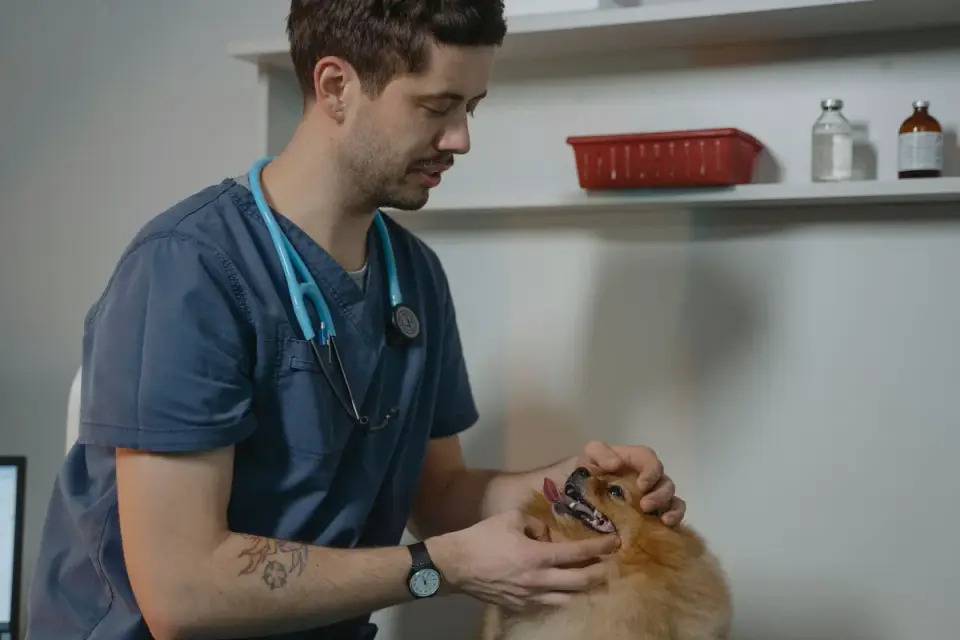
Vet recommended has no legal definition. What matters is measurable nutrition. Look for a statement of nutritional adequacy for maintenance or all life stages, a calorie statement and a manufacturer that can answer who formulated the diet and how feeding trials or profiles were used. For ingredient reading, start with what the first five ingredients tell you rather than chasing meat-first marketing alone. In TCVM food therapy terms, I also consider thermal and digestive character. Warm, simply cooked and moderately fatty foods tend to suit dogs that seem cold or damp after meals, while rich, greasy or heavily mixed foods can feel heavy to a sensitive stomach. That tradition is a lens for observation, not proof of effect, so I pair it with Western tracking of intake, stool score and body condition.
How to run one calm food trial
Rapid rotation teaches little. Pick one complete diet that fits age, size and health history, then hold it steady long enough to read the pattern. Transition gradually as described in how much new food to mix in when switching and keep treats, table scraps and toppers constant for the week. Feed at set times for 15 to 20 minutes, then lift the bowl without coaxing. Log how much was eaten, stool form, flatulence, vomiting and play drive. If your dog has suspected sensitivities, discuss limited-ingredient structure with your veterinarian before you cut out whole nutrient groups. Seek prompt care for red flags including repeated vomiting, diarrhea beyond a day, blood in stool or vomit, belly pain, marked lethargy or steady weight loss. Puppies, seniors and small breeds lose reserves faster, so call sooner for them.
Gentle ways to support appetite through comfort
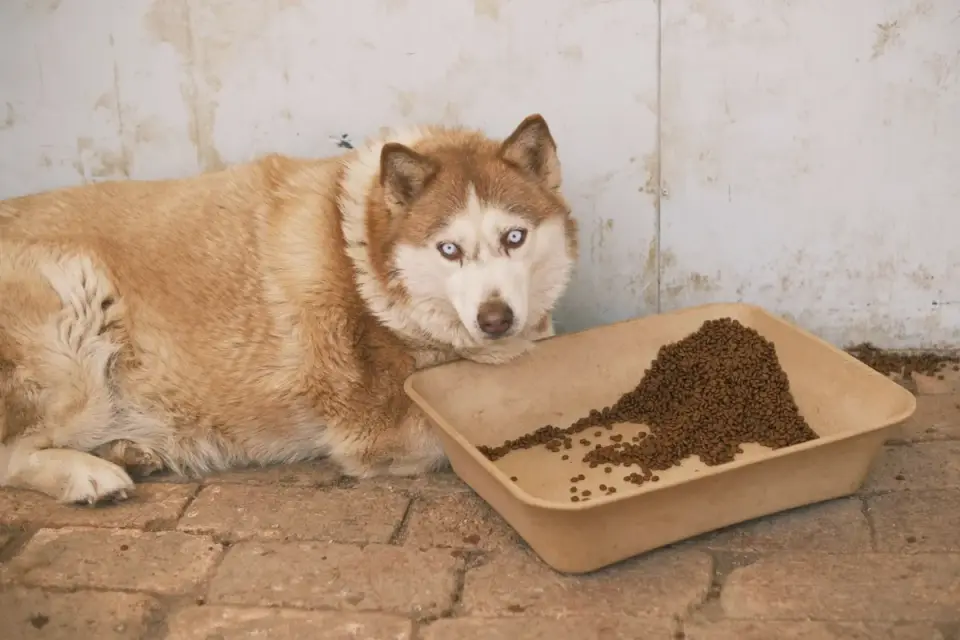
Texture and temperature often matter more than flavor claims. Many reluctant eaters accept the same kibble warmed with water to release aroma, soaked to soften crunch or split into two smaller meals that reduce stomach stretch. Keep the bowl low-stress and separate from noisy areas. Avoid stacking new toppers every day, since that hides which change helped. Fiber choice shapes that after-meal feeling through fermentation and bulk. In vitro fermentation work described in the Journal of Animal Science found bacterial alpha diversity metrics increased (P < 0.01) during acacia fiber fermentation, which helps explain why amount and blend matter for stool. Dogs are not small people, so I use that only as mechanism background and adjust based on stool response under veterinary guidance. Probiotic strains remain strain-specific and mixed in dogs, so I treat them as candidates to discuss after diet, parasites, dental pain, nausea and medications have been checked. For Maximo, Harry kept one maintenance diet, added warm water, paused extra treats for seven days and logged results. Intake steadied by day four and stool firmed without another bag change. That pattern suggested comfort, not defiance, had been driving the refusal.
Frequently asked questions
Should I keep switching foods until my picky dog eats eagerly?
Frequent switching usually hides the pattern. Hold one complete diet steady for about seven days, keep extras constant and track intake, stool and energy, then review the log with your veterinarian.
When is picky eating an urgent problem?
Call your clinic promptly for repeated vomiting, diarrhea beyond a day, blood in stool or vomit, belly pain, lethargy or steady weight loss. Puppies, seniors and small breeds should be seen sooner.