
Imagine a lab mix named nothing in particular, sprawled on the kitchen floor at 2 a.m., ribs rising and falling too fast after the third bout of vomiting in an hour. The owner is standing over a phone, torn between calling the emergency vet and reaching for the rice on the counter. That tension — feed now or wait, bland or nothing — is the most common call I field about acute GI upset, and it’s worth walking through carefully before you touch the food bowl.
The first 12 to 24 hours after a dog’s stomach has thrown a fit are about giving the gut lining a chance to calm down, not about correcting a deficiency. Most healthy adult dogs who vomit once or twice and then act normal don’t need food withheld at all anymore — that “starve the stomach” advice has softened in recent years — but a dog with several rounds of vomiting or watery diarrhea does better with a short rest from food, water offered in small sips, and a return to eating built around a bland, low-fat diet rather than the dog’s usual kibble.
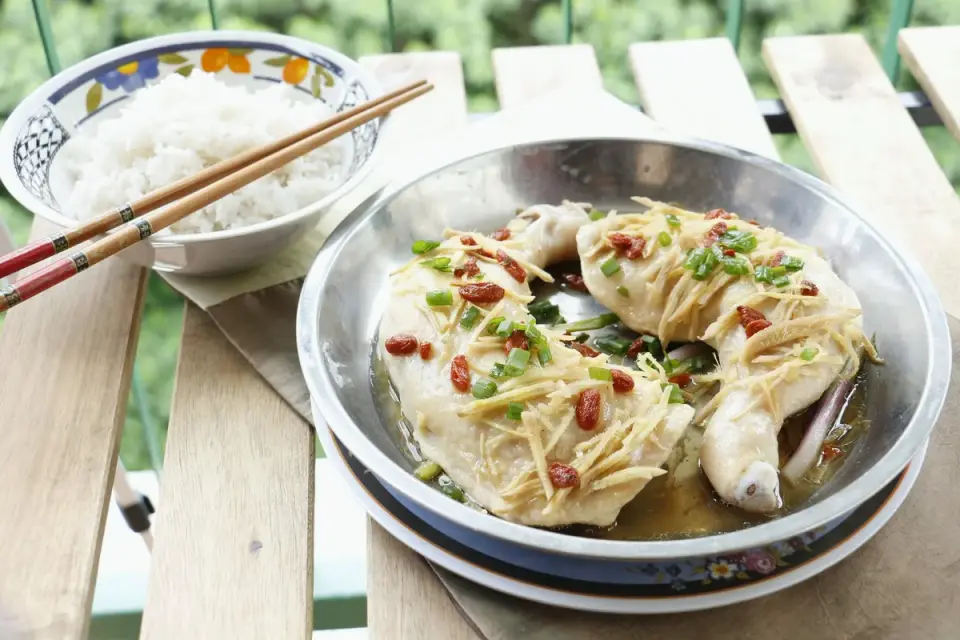
Plain boiled, skinless chicken breast and well-cooked white rice, offered in small, frequent portions, is still the most defensible starting point. It’s low in fat, easy to digest, and doesn’t ask an already-irritated gut to process much beyond protein and starch. Plain canned pumpkin is a reasonable next addition once a dog is holding food down; pumpkin fiber is a gentle, natural source of both soluble and insoluble fiber, which can help firm up loose stool without overwhelming a sensitive gut. I’ll add fiber a day or two in, not on day one, when the priority is simply keeping food down.
Where I part ways with a purely Western read of “acute gastroenteritis” is in how I frame what’s actually happening. In TCVM terms, this looks like a Spleen Qi pattern — the system responsible for transforming food into usable energy is temporarily overwhelmed, whether the trigger was dietary indiscretion, stress, or a virus. A Western diagnosis names the event; the TCVM pattern explains why bland, warm, easily digested food, never cold from the fridge, settles a dog faster than a rich commercial recovery diet does. Both lenses point at the same bowl of chicken and rice — they just explain it differently, and I find owners follow the plan better once they understand both reasons.
Picture a senior beagle a few days past a diarrhea flare, stool finally formed but still soft, appetite back but not quite normal. This is the stage where owners often reach for a probiotic, and it’s a reasonable instinct — a balanced gut microbiome supports overall immune function, and restoring bacterial balance after a GI upset is a sound goal. But the research on which strains and doses actually move the needle for an individual dog is still catching up to the marketing. A 2025 randomized trial in Frontiers in Veterinary Science looking at probiotic response in dogs found that diversity metrics did not distinguish non-responders from responders — meaning a dog’s baseline microbiome diversity didn’t reliably predict whether probiotic supplementation would help. That’s a humbling finding, and it’s the kind of detail this publication exists to surface rather than gloss over.

Digestive enzymes deserve a narrower claim than probiotics do. They earn their keep in a specific, diagnosed condition — exocrine pancreatic insufficiency — not as a general add-on for a dog who vomited once after raiding the trash. A review in JAVMA notes that EPI is treated by pancreatic enzyme replacement therapy, nutritional management with low-residue diets of moderate fat content, and cobalamin supplementation, and the same review points out that the gut imbalance many EPI dogs carry doesn’t always resolve once enzymes are on board; future studies are needed to further understand the causes of persistent dysbiosis in animals with EPI following initiation of pancreatic enzyme replacement therapy. That’s not a green light to add enzymes to a routine bland diet — it’s a reason to keep enzyme use targeted to dogs with a confirmed pancreatic problem.
Where does that leave the dog on the kitchen floor, or the beagle three days out from its flare? Start plain: a short food rest if vomiting is repeated, small sips of water, then bland chicken and rice in small, frequent meals for a day or two. Layer in pumpkin once food is staying down. Consider a probiotic as a reasonable, low-risk support once things are stabilizing, understanding that the evidence for who benefits is still thin. Reserve digestive enzymes for a dog with a diagnosed pancreatic issue, not general upset. And transition back to a normal diet gradually over several days rather than switching all at once, because a gut that’s still healing doesn’t handle abrupt change well.
The signs that move this from a kitchen-table decision to an exam-room one are consistent: vomiting or diarrhea lasting more than 24 to 48 hours, blood in stool or vomit, lethargy, a painful abdomen, or a puppy or senior dog who can’t keep water down. For everyday dietary upset, though, the plan is unglamorous and well-supported: rest the gut, feed bland, add fiber, and don’t rush the return to normal food. For more on how that recovery connects to the resident bacterial community, see The Complete Guide to Dog Gut Health and Digestion and What a Healthy Dog Gut Microbiome Looks Like, both of which go deeper into what “balanced” actually means on a stool sample.
Frequently asked questions
Should I withhold food from my dog after vomiting?
Not automatically. A dog who vomits once and otherwise acts normal often doesn't need food withheld at all. A dog with repeated vomiting or watery diarrhea usually does better with a short food rest, small sips of water, and then a bland, low-fat diet introduced gradually.
Is chicken and rice still the best bland diet for a dog with diarrhea?
It's still a reasonable, well-tolerated starting point: plain boiled, skinless chicken breast and well-cooked white rice, offered in small, frequent portions, are low in fat and easy to digest.
Do probiotics help a dog recover from vomiting and diarrhea?
They may help support a balanced gut microbiome, which supports overall immune function, but recent research found that a dog's baseline gut diversity didn't reliably predict whether probiotic supplementation helped, so results vary by individual dog.
When does vomiting or diarrhea need a vet visit instead of home care?
Signs that call for an exam include vomiting or diarrhea lasting more than 24 to 48 hours, blood in stool or vomit, lethargy, a painful abdomen, or a puppy or senior dog who can't keep water down.
Sources
- Exocrine Pancreatic Insufficiency in Dogs and Cats — JAVMA
- Probiotic Response and Gut Microbiome Diversity in Dogs — Frontiers in Veterinary Science