
July heat will expose a feeding routine fast. A 4-year-old Beagle mix, 28 pounds, who normally finishes breakfast by 7 a.m. started sniffing his bowl and walking to the tile floor in the kitchen during a week of 90-degree afternoons. His owner worried the kibble had gone stale, then worried something worse was building. By day 3 the pattern was clear: he skipped mornings, ate most of his calories after sunset, drank more water, and still wagged through his evening walk. That shift is the decision I want owners to make concrete, because summer inappetence is rarely one cause.
Appetite sits at the intersection of thermoregulation, activity, gut comfort, and habit. Dogs produce substantial heat digesting a large meal, and many simply self-regulate when ambient temperature stays high. Lower daytime activity means lower caloric need. Later sunsets, travel, boarding, longer daylight walks, and inconsistent feeding times can also disrupt hunger cues. I reach for both the imaging study and the acupuncture needle here: I want objective pattern data first, then a whole-patient read of heat load and digestion.
When heat itself lowers the drive to eat
Eating generates heat. Resting in heat conserves cool. Viewed that way, a dog that eats lightly at noon and better at 9 p.m. during a heat wave is not necessarily ill.
What supports that interpretation is consistency across other systems. Water intake often rises, stools stay formed, energy returns in cooler hours, and weight holds steady over one to two weeks. Brachycephalic breeds, dark-coated dogs, overweight adults, and seniors tend to show it sooner because they shed heat less efficiently. Shifting the larger meal to morning cool or late evening, feeding in shade or air conditioning, and avoiding vigorous midday exercise may help support normal intake patterns without forcing food.
The strongest counterargument deserves space: appetite loss can be early disease, and heat can mask it. I do not dismiss that. My position is that transient, heat-linked grazing with preserved hydration and evening energy favors observation and routine adjustment first, while persistent loss, vomiting, diarrhea, lethargy, panting at rest, pale gums, or weight loss favors prompt examination. Mechanism first, reassurance second.
The owner above tried what many owners try. After three weeks in August with intermittent skipping, she rotated through three toppers, warmed the food, then switched kibble brands over a weekend because a neighbor suggested boredom. Intake got worse for four days, with soft stools and more bowl circling. The 28-pound Beagle had not needed novelty; he needed continuity while his gut adjusted to irregular meals, richer add-ons, and rapid change. That tradeoff complicates the usual recommendation to entice eating, because frequent changes can unsettle digestion just as heat load is already shifting motility and microbial balance.
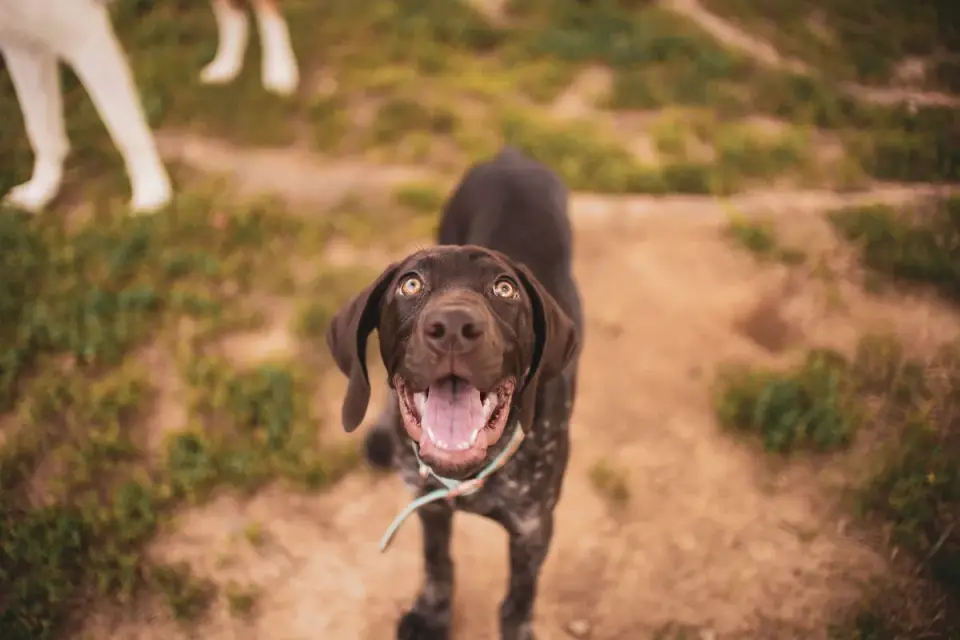
What the gut may be doing behind a skipped bowl
The microbiome literature is useful here for what it clarifies and where it stays cautious. A Frontiers in Veterinary Science trial in dogs with digestive signs reported that “Diversity metrics did not distinguish non-responders from responders.” That finding does not explain summer appetite directly, but it tempers a common assumption that a simple diversity score tells us which dog will rebound with a diet tweak. Response appears more individual than a single metric captures.
In practical terms, I watch transit signs rather than chasing a perfect microbial profile. Summer brings more dietary indiscretion, more water from puddles or bowls left out, more travel stress, and more abrupt schedule shifts. Any of those can produce mild gas, borborygmi, softer stool, or morning nausea that makes breakfast unappealing. Plain, consistent feeding, clean water, safe food storage in heat, and a gradual transition when a change is truly needed — guidance echoed in The Complete Guide to Switching Your Dog’s Food Safely and How Much New Food to Mix In When Switching Dog Food — may help support steadier digestive function. For owners reviewing labels during these episodes, What the First Five Ingredients Really Tell You is a steadier starting point than swapping formulas weekly.
This is also where restraint matters. The evidence for specific strains, fibers, and enzymes helping appetite per se is thin or mixed, and heat-related inappetence has not been shown to equal dysbiosis. I discuss prebiotics and probiotics as tools that may help support normal gut function, not as appetite stimulants and not as cures.
An edge case that should change the plan
Not every summer skip is benign, and one pattern in particular should reset thinking. A 9-year-old German Shepherd, 78 pounds, went from seasonal pickiness to progressive loss over six weeks, with weight loss, greasy-appearing voluminous stools, flatulence, and a dull coat despite a good diet. Heat did not explain the trajectory. That combination raises concern for maldigestive disease rather than weather, including exocrine pancreatic insufficiency.
EPI is a useful boundary marker because its management is specific. A JAVMA review notes that “EPI is treated by pancreatic enzyme replacement therapy, nutritional management (low-residue diets with moderate fat content), and supplementation of cobalamin.” The same review cautions that “Future studies are needed to further understand the causes of persistent dysbiosis in animals with EPI following initiation of pancreatic enzyme replacement therapy and assess the efficacy of treatments to ameliorate these abnormalities.” I cite it to anchor the mechanism: when poor digestion drives hunger loss, replacement and nutritional management come first, and gut microbial questions remain under study. If your dog shows that progressive pattern, do not spend the summer testing toppers. Seek diagnosis, fecal and blood work as indicated, and a feeding plan built around the underlying condition.
For the more common heat-linked case, I keep the workup simple. Track morning versus evening intake, water, stool form, activity, and weight for 7 to 10 days. Offer food during cooler windows, keep portions and timing stable, cool the resting area, and shorten hot-hour exercise. Call sooner for puppies, seniors, flat-faced breeds, dogs with chronic disease, any dog that refuses water, or any appetite drop paired with vomiting, diarrhea beyond 24 to 48 hours, lethargy, labored breathing, collapse, or suspected heatstroke.
Summer appetite usually returns with cooler routines.
Sources
- Exocrine Pancreatic Insufficiency in Dogs: Review and Update — JAVMA
- Gut Microbiome Response and Diversity Metrics in Dogs with Digestive Signs — Frontiers in Veterinary Science