
A client held up a joint chew label last spring and asked the question I hear more every year — why is pumpkin in this at all? Her dog was an 8-year-old, 68-pound Labrador mix, stiff for ten minutes after morning fetch, then loosening into his day. She had bought the supplement for hips and knees, not digestion, and the pumpkin felt like filler. By three weeks in she had her real data: same slow first five minutes out of bed, but firmer afternoon stools and a dog who actually ate the chew without a butter bribe.
That split outcome is exactly how to read pumpkin fiber in a joint formula.
The joint actives do the joint work — pumpkin keeps the delivery working
Pumpkin does not rebuild cartilage. The ingredients formulators rely on for structure/function joint support are familiar for a reason. Frontiers in Veterinary Science published work noting that chondroitin “supports healthy synovial fluid homeostasis,” which is lab shorthand for helping maintain the normal fluid environment joints move in. Journal of Veterinary Medical Science work described glucosamine HCl in vitro to “prevent experimentally induced cartilage degradation in vitro,” and Nutrients reported that in a rat model “BMO, GMO, and KO all alleviated paw swelling in rats and reduced serum levels of rheumatoid factor (RF), anti-cyclic citrullinated peptide (anti-CCP) antibody, and pro-inflammatory cytokines such as TNF-α and IL-17.”
Here is where I land as a preventive clinician: pick the joint formula for those studied actives first — glucosamine, chondroitin, green-lipped mussel, omega-3s — and judge pumpkin separately.
Pumpkin fiber earns its place for three practical reasons, none of them about cartilage directly.
First, tolerance. Concentrated joint actives, fats, and flavorings can loosen stool in sensitive dogs. A small amount of soluble and insoluble fiber from pumpkin helps normalize transit and stool form, which is often the difference between a supplement given daily and one abandoned in the pantry.
Second, consistency of intake. Chews need bulk, moisture control, and taste. Pumpkin powder binds well, carries bacon or peanut flavor without excessive starch, and most dogs accept it readily. A joint ingredient only works if the dog eats it for 6 to 12 weeks.
Third, the gut-joint conversation. This is where the evidence is intriguing but thin. We know microbial fermentation of fiber produces short-chain fatty acids that participate in normal immune signaling, and systemic inflammation load matters for comfort and mobility. What we do not have is a direct trial showing pumpkin fiber itself improves canine lameness scores. I counsel it as gut support that may help support a healthy inflammatory baseline, not as an analgesic.
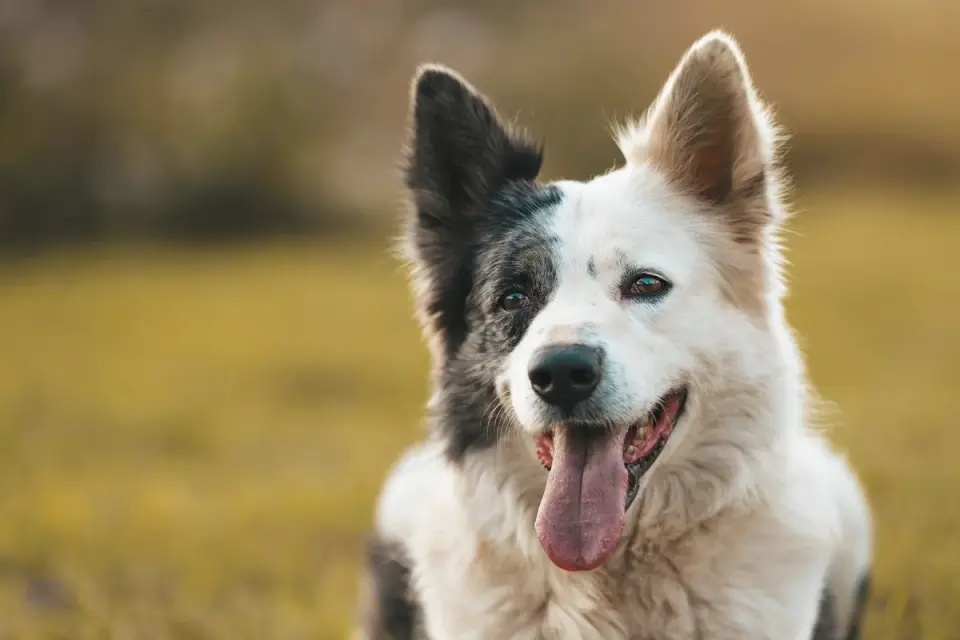
When the chew caused the problem it was supposed to help
A 10-year-old, 44-pound Border Collie came to mind when I reviewed this pattern. Athletic her whole life, now slow on stairs, owner diligent about a high-dose glucosamine and mussel chew. By day 10 the dog was leaving half the chew, passing soft cow-pat stools twice a day, and moving worse — not because the joints had changed, but because her sleep was broken by midnight potty trips and her appetite was off. The owner assumed joint supplements just did not agree with her.
We did not add more actives. We simplified: a lower-fat chew format with a modest fiber base, split with breakfast instead of on an empty stomach, plus a two-week stool log. The tradeoff is worth naming. More fiber can slightly reduce the palatability for picky dogs and, at high amounts, can speed transit enough to reduce absorption time. That is why formulators use grams of pumpkin powder, not scoops of pumpkin puree. The counterargument I hear — just give a pure joint capsule and add fiber separately — is fair for dogs with diagnosed GI disease. For the average stiff-but-healthy adult, though, a combined chew improves adherence, and adherence is the whole game in joint maintenance. For context on reading those panels, see Best Joint Supplement for Dogs: An Orthopedic Read of the Label Claims and How to Choose a Hip and Joint Supplement for Your Dog.
It took discipline not to chase a new ingredient.
The edge case where pumpkin changes my recommendation
Not every dog should get extra fiber in a joint product. A 4-year-old, 92-pound German Shepherd with chronic large-bowel looseness and weight loss taught me that boundary. He was starting preventive joint support early because of size and rapid growth, and his owner liked the idea of pumpkin for stool. By week four his stools looked slightly better, but his body condition had slipped half a point because the added bulk reduced his voluntary kibble intake at dinner when the chew was given right before meals.
For big, lean, hard-keeper adolescents and for dogs on strict elimination or low-residue diets, I move the fiber out of the joint plan. Give a concentrated capsule or a low-excipient chew away from meals, and manage fiber through the primary diet under veterinary guidance. The same applies in reverse: a 12-year-old, 18-pound terrier mix with firm stools and constipation tendency may do genuinely better with a pumpkin-inclusive chew, because comfortable defecation posture matters when hips ache. Timing, meal spacing, and total dietary fiber matter more than any single label line. If you are weighing marine oils alongside powders, Sardines vs. Fish Oil Supplements for a Dog’s Joint Health walks through that tradeoff in plain language.
So expect pumpkin to do what fiber does: help support normal digestion, stool quality, and daily compliance. Expect the joint actives to do the joint support, over weeks, alongside weight control, low-impact exercise, and veterinary monitoring. If stools stay soft beyond two weeks, if appetite drops, or if lameness worsens, stop attributing it to adjustment and get an exam. That expectation-first lens keeps a helpful carrier ingredient from becoming a distraction from the real mobility plan.
Frequently asked questions
Does pumpkin fiber help dog joints directly?
There is no direct trial showing pumpkin improves lameness or cartilage. It may help support normal digestion and stool quality, which helps dogs stay on a joint plan consistently.
Is pumpkin in a joint chew just filler?
In small amounts it functions as fiber, binder, and palatant rather than empty filler. Judge the formula on its studied joint actives first, then decide if the fiber level suits your dog.
When should I avoid extra fiber in a joint supplement?
Consider a low-fiber or capsule form for dogs losing weight, eating less kibble after chews, or on a prescribed low-residue or elimination diet, and talk with your veterinarian.
Sources
- Chondroitin and synovial homeostasis in veterinary research — Frontiers in Veterinary Science
- Glucosamine and experimental cartilage degradation in vitro — Journal of Veterinary Medical Science
- Marine oils, green-lipped mussel and inflammatory markers in rats — Nutrients