Bake small apple and oat dog treats at home and keep treats under 10% of calories for sensitive stomachs.
On this page
Peel and dice one small sweet apple, stir it into rolled oats with a little water, and bake small coins until crisp if you want fiber you can control. That simple swap is why I favor home-baked apple and oat biscuits for many dogs with soft stool on rich commercial treats. You see exactly what went in, you leave out excess fat and flavorings, and you can adjust texture and size to the dog in front of you.
Vets often see the same pattern in practice. A 3-year-old 22-pound Cockapoo begs prettily, gets three or four store treats a day plus table scraps, then arrives with gurgly evenings and loose morning stool. Nothing dramatic on labs, just too much dietary noise. Cutting back to one predictable biscuit recipe for two weeks often steadies the routine enough to tell what is food and what needs a workup.
When a plain biscuit suits the gut
Apples supply mostly water with a mix of pectin and cellulose, and oats supply a bland, starchy base that bakes firm without much fat. The U.S. Food and Drug Administration reminds owners that treats and table food should stay a small part of a complete diet, and that rich bones and extras can upset digestion.

I think of these biscuits as structure and function support, not therapy. Pumpkin fiber is a gentle, natural source of both soluble and insoluble fiber, and apple and oat play a similar supporting role by adding bulk and slowing the snack down. For more on how apple fiber behaves once swallowed, see Can Dogs Eat Apples? What the Gut Microbiome Actually Does With the Fiber.
Choose this recipe when your dog is healthy, eats a complete adult diet, and just needs a lower-fat training reward or bedtime biscuit. Skip home baking and call your veterinarian first for puppies with ongoing diarrhea, dogs with diabetes or kidney disease, dogs with known food allergy, or any dog losing weight.
Mix and bake for a firm, low-fat coin
Heat the oven to 350°F. Line a sheet pan with parchment.
Grate or finely dice 1 cup peeled, cored apple, about one small apple. Combine with 2 cups old-fashioned rolled oats and 1/2 to 3/4 cup water. Stir and rest five minutes. Add water one spoon at a time until the mix holds together without being wet.
Roll to 1/4 inch between parchment. Cut 1-inch coins for small dogs, 2-inch coins for large dogs. Bake 25 to 35 minutes until dry at the edges, flip once, then cool fully on the pan.
Texture matters more than flavor here. A fully dried coin crumbles cleanly and adds less moisture to the colon than a soft, chewy bar.
The USDA FoodData Central lists raw apples and rolled oats with modest fiber and very little fat, which is why this dough bakes crisp without oil or butter. Do not add xylitol or birch sugar, chocolate, raisins, macadamia nuts, onion powder, or extra salt. Remove all seeds and core pieces before grating. Keep peanut butter out of this batch if fat is the trigger you are trying to avoid.
How much fits without loosening stool
Feed by calorie share, not by count. Keep all treats and extras to less than 10% of daily calories. For most pet dogs that means one to three small coins per day, then watch stool for 48 hours.
Start with half a coin. Offer fresh water alongside. If stool stays formed and appetite stays normal for three days, hold that amount. If stool softens, cut the portion in half or pause treats for two days.
Store cooled biscuits in a sealed jar at room temperature for three days, then refrigerate up to one week. Discard if soft, moldy, or sour-smelling. Toss any batch made with spoiled fruit.
This is where my own training shows. Western neurology taught me to image before I assume, and food therapy taught me to start bland and observe. With treats I do both. I want the diet history clear and the stool response measured before I blame a protein or reach for a supplement.
Where this advice would be the wrong call
Home baking is not the right move when treats are covering a gap in the base diet. If your dog is underweight, refusing meals, vomiting, passing blood, straining, or drinking far more water than usual, do not test recipes. Seek veterinary care and bring a three-day food log with amounts.
Dogs that need strict fat restriction, dogs in elimination diet trials, and dogs with dental pain also need a different plan. In those cases ask your veterinarian for a measured hypoallergenic or low-fat reward and a daily gram limit. For context on why single-ingredient options sometimes fit those dogs better, see Are Single-Ingredient Dog Treats Better? What the Gut Evidence Supports.
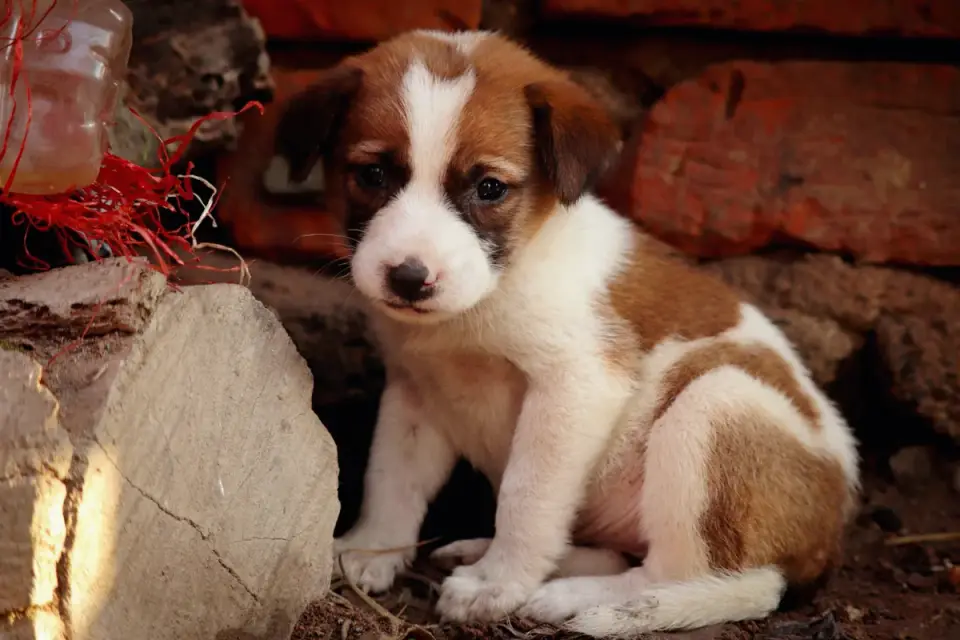
For healthy dogs with mild sensitivity to rich store treats, though, I land here. A short ingredient list you baked yourself gives the gut less to sort through, and the fiber from apple and oat may help support normal stool form when portions stay small.
Frequently asked questions
Do I need to peel the apple for dog treats?
Yes. Peel, core, and remove all seeds, then grate or finely dice the flesh. Peel reduces pesticide residue and large peel pieces, and seeds and core should never go in the dough.
Can I use instant oats or oat flour?
Yes. Rolled oats give the firmest coin, but quick oats or plain oat flour work. Avoid flavored instant oatmeal with added sugar, xylitol, raisins, or chocolate.
How many apple oat treats can I feed per day?
Keep all treats under 10% of daily calories. Most dogs do well with one to three small coins per day. Start with half a coin and watch stool for 48 hours.