On this page
Morning stiffness that eases after a few minutes, a bunny-hop on stairs, a slow rise from the rug — that pattern is the daily reality of living with loose hips. From a manual-medicine view, hip dysplasia is not just a shallow socket on radiographs. Laxity lets the femoral head shift, the joint capsule and surrounding muscles guard, and over time cartilage takes uneven load.
My position is simple: build the day around consistent traction, lean body condition, and short, frequent movement, with joint nutrition as background support. That combination may help support mobility and comfort better than weekend exercise followed by long couch rest. The strongest counterargument is rest — that a sore dog should move less. Rest matters after a flare, but prolonged stillness stiffens soft tissue and weakens the gluteal sling that stabilizes the hip.
Here is the checklist I give owners first:
- Firm footing in traffic lanes — rugs, runners, no-slip mats
- Lean weight and measured meals, scored by rib feel and waist
- Two to four short leash walks, not one long outing
- Warm-up, then gentle hills or cavaletti on good days
- Supportive rest spot with firm orthopedic support, not deep sink
- Daily joint supplement given with food at the same time
- Pain log: rise time, stairs, walk distance, evening restlessness
That list is the whole routine. What follows is how to run it without overdoing it.
An 8-year-old 72-pound Labrador mix taught me how much footing matters. He lived on hardwood, and every morning his rear feet splayed on the turn from kitchen to hall. His owner counted three weeks in of runners and a non-slip bedside mat, and his rise time dropped from nearly a minute of scrabbling to standing cleanly in about 15 seconds. We changed nothing else that month — same food, same 10-minute walks. Traction alone reduced the panic-muscle guarding that made his hips look worse than they were.
How I read the morning rise
Acupuncture theory describes this as stagnation from poor glide — tissue that sat all night resists the first movement. Western mechanics says the same thing in different words: synovial fluid thickens with rest and thins with gentle cycling. Chondroitin is studied in this context because it “supports healthy synovial fluid homeostasis,” as reported in Frontiers in Veterinary Science. That phrase describes fluid balance, not regrown cartilage.
So I treat the first five minutes as a warm-up, not a workout. Potty on leash on a flat surface. Slow figure-eights in the hallway. Then breakfast.
Tui-na and medical manipulation can loosen hip flexors and wake up gluteals, and they may help support mobility and comfort for a day or two. They cannot tighten a lax ligament or reshape a socket.
Walks that build the muscles around the hip
The gluteals and deep hip stabilizers are the living splint for a loose hip. They respond to frequency, not heroics.
I prescribe two to four walks of 5 to 15 minutes on level ground, with sniff breaks. On strong days, add a slight incline or two-inch cavaletti poles. Stop while the dog still wants more. Evening restlessness, lagging behind, or a longer lie-down after means you overspent.
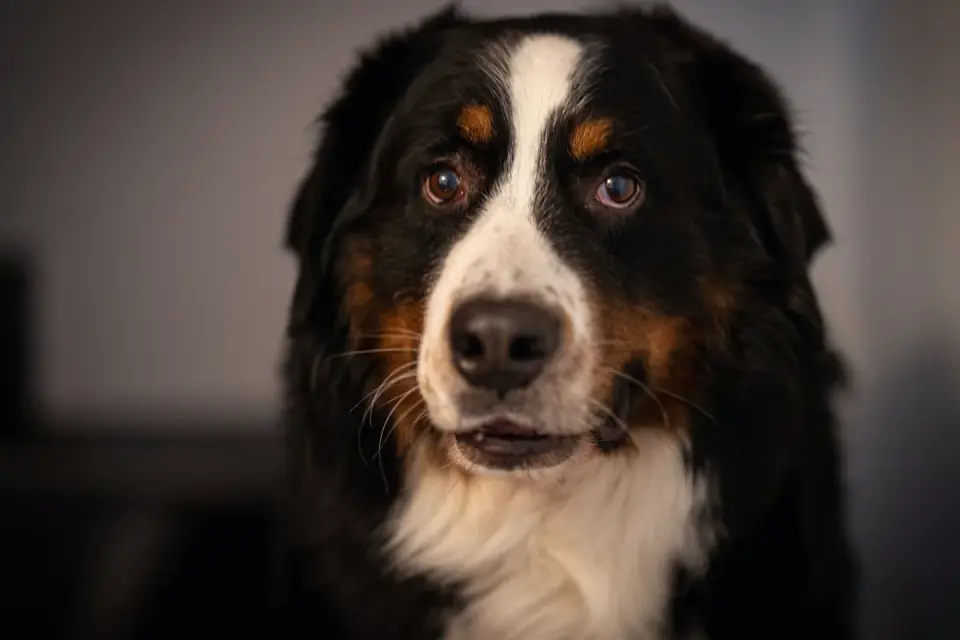
A 4-year-old 48-pound border collie mix showed the tradeoff clearly. Her owner, an avid hiker, replaced daily short walks with a 6-mile Saturday hike. By day 10 after two weekends, she refused the last staircase and needed carrying. We switched to 12-minute morning and evening walks plus a 5-minute midday loop for one month. Total weekly mileage fell, but her stair speed steadied and she stopped bunny-hopping on flat ground. Big efforts tear down; small doses build up.
That is the function-based limit: exercise to the point of easy recovery by next morning, never to exhaustion.
Food-first weight control and what supplements can do
Every extra pound loads dysplastic hips on every step. I score ribs monthly, measure meals, and keep treats under 10% of intake. For background nutrition, learn How to Choose a Hip and Joint Supplement for Your Dog before you buy on marketing.
Glucosamine and chondroitin are among the most studied joint support ingredients for dogs, but study designs vary and clinical results are mixed. At the tissue level, glucosamine HCl has been shown to “prevent experimentally induced cartilage degradation in vitro,” according to the Journal of Veterinary Medical Science. In vitro means in cells in a dish, not proof of pain relief in your dog.
Green-lipped mussel is another common background ingredient. In a rodent model, researchers found that “BMO, GMO, and KO all alleviated paw swelling in rats and reduced serum levels of rheumatoid factor (RF), anti-cyclic citrullinated peptide (anti-CCP) antibody, and pro-inflammatory cytokines such as TNF-α and IL-17,” as published in Nutrients. That is early mechanistic data, not a dysplasia outcome.
Give any chew with a meal at a consistent time. Timing consistency helps you judge response, a point explained in Should a Dog’s Longevity Chew Be Given at the Same Time Every Day?. If you want to compare cartilage-focused options, Avocado-Soy Unsaponifiables vs Glucosamine for Dog Cartilage reviews where that evidence thins out.
Supplements may help support joint flexibility and mobility as part of routine care. They do not replace weight control, footing, or veterinary pain planning.
The evening wind-down that prevents next-day stiffness
A 10-year-old 63-pound German shepherd mix kept waking at 2 a.m., shifting and sighing. Days looked fine, so his owner doubted pain. We added a firm bed near the family room, a 7-minute sunset walk instead of ball throws, and a warm towel over the hips for five minutes before bed. After two weeks, nighttime position changes fell from five to one per night on his log. The edge case was not more exercise — it was earlier, lighter exercise plus a predictable rest surface.
Keep nails short, use a ramp for the car, and lift with a rear-support harness rather than by the collar. Cold, damp mornings call for shorter loops.
Consistent days beat heroic days for dysplastic hips.
Frequently asked questions
How much walking is right for a dog with hip dysplasia?
Most dogs do best with two to four short leash walks of 5 to 15 minutes, stopping before fatigue and judging by next-morning stiffness.
Should my dog with hip dysplasia rest or keep moving?
Brief rest helps after a flare, but gentle daily movement maintains muscle support around the hip. Prolonged inactivity often increases stiffness.
Do joint supplements fix hip dysplasia?
No. They may help support mobility and comfort alongside weight control, traction, and veterinary care, but they do not reshape the joint.
Sources
- Synovial homeostasis study — Frontiers in Veterinary Science
- Cartilage degradation in vitro study — Journal of Veterinary Medical Science
- Marine oil paw swelling study — Nutrients