Homemade dog treats without flour or oats work best as small meat-and-pumpkin bites when grains upset your dog's stomach.

On this page
For dogs that rumble, itch, or pass soft stool after wheat biscuits or oatmeal cookies, leaving out both flour and oats can simplify the experiment to meat, water-rich vegetables, and egg.
Why skip both flour and oats at once?
Wheat flour brings gluten and rapidly digestible starch. Oats bring beta-glucan fiber and a different protein in avenin. Most dogs handle both, but a dog with a grain-sensitive stomach may do better when we remove the whole category for two to three weeks and watch stool, gas, and scratching. That elimination logic is the same reason many owners explore Are Single-Ingredient Dog Treats Better? What the Gut Evidence Supports before they start baking.
From a TCVM food-therapy view, I think less about allergy labels and more about how a food is thought to work in the middle burner. Heavy, sweet, damp-forming grains may help support phlegm-damp in some Spleen-deficient dogs. Light, warm, animal-source proteins with a little cooked pumpkin are easier to track. They may help support normal digestion because there is less starch to ferment and fewer ingredients to sort through when signs return.
Flour-free does not mean low-risk. Xylitol or birch sugar in peanut butter, onion and garlic powder, raisins, macadamia nuts, and excess fat remain the real kitchen hazards. The ASPCA Animal Poison Control people-foods list is the checklist I use before any new recipe, and it is worth a re-read when you improvise.
What holds a treat together with no grain?
Without flour or oats you lose gluten and starchy paste, so binding has to come from protein and pectin.
Lean ground turkey, chicken breast, lean beef, cod, or salmon pureed smooth will set firm when baked low and slow. Whole egg adds albumin that gels around 160 degrees Fahrenheit and helps slices hold. Plain canned pumpkin, butternut squash, or mashed sweet potato adds soluble and insoluble fiber plus water that keeps meatballs from turning to gravel. Pumpkin fiber is a gentle, natural source of both soluble and insoluble fiber, which is why it suits small training bites better than coconut flour or chickpea flour for many sensitive dogs.
A food-first rule keeps balance intact. Treats are not meant to replace complete food. The National Research Council Nutrient Requirements of Dogs and Cats reminds us that complete diets must supply essential amino acids, fatty acids, vitamins, and minerals in proportion to energy, so I keep flour-free treats under 10 percent of daily calories and keep the base diet complete. If you are cooking more of the diet itself, read How to Balance a Homemade Dog Food Diet and Do You Need Supplements for Homemade Dog Food? before you scale up.
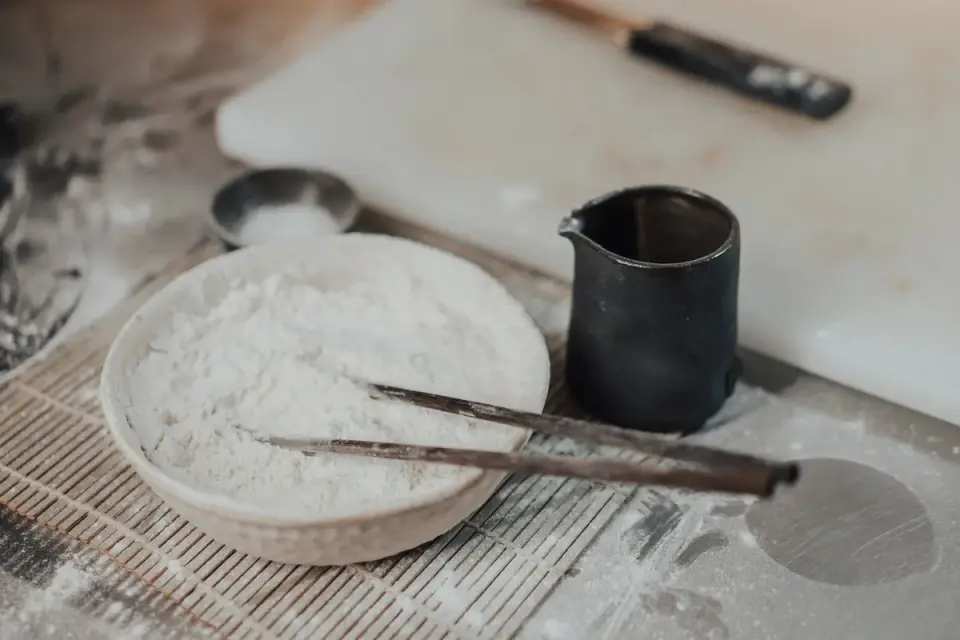
How to build pumpkin-and-meat bites for sensitive guts?
Start plain. One protein plus one vegetable plus egg is enough to judge tolerance.
For a basic tray, blend one pound lean ground turkey, one half cup plain canned pumpkin with no spice or sweetener, and one beaten egg until tacky. Press to one quarter inch on parchment, bake at 325 degrees Fahrenheit for 25 to 35 minutes until firm and steaming throughout, then cool and cut into pea-sized pieces for small dogs or blueberry-sized pieces for large dogs. Refrigerate three days or freeze in weekly bags. Freshly cooked chicken gets many dogs excited for training, and I stretch larger rewards by dividing them into little morsels so the total stays small.
For fish, use one pound cod or salmon, one half cup mashed sweet potato, and one egg in the same method but bake to an internal temperature of 165 degrees Fahrenheit and use within two days if refrigerated. For a chew-style option, slice chicken breast one quarter inch thick, brush lightly with water, and dehydrate at 165 to 175 degrees Fahrenheit until cracker-dry and brittle. Dry treats may help support dental rubbing action by how they are thought to work mechanically, not by what they might cure.
Introduce any new bite like a trial. Offer two to three pieces daily for three days, watch stool form, flatulence, vomiting, and itch, then increase only if the gut stays quiet. Owners who tried several foods after digestive trouble often find this slow step is what finally makes the pattern clear. Keep training totals small, drink water available, and skip added oils, cheese, or rich organ meat during the test period.
When flour-free is not enough?
If soft stool, vomiting, weight loss, bloody stool, or itch persists beyond a week of simple feeding, or if a puppy strains, misses growth milestones, or seemed constantly hungry while growing quickly, stop experimenting and get an exam. Puppies have little reserve, and what looks like grain sensitivity can be parasites, infection, pancreatitis from fatty treats, or an unbalanced home diet. Bring your recipe, amounts, and a stool diary with dates and scores.
For long-term home cooking, the gut question shifts from treats to completeness. A A Puppy Feeding Schedule by Age: What the Gut Is Actually Doing at Each Stage plan helps match portions to growth, and your veterinarian can advise whether fiber, digestive support, or a return to a tested complete food fits your dog. In neurology practice I reach for both the imaging study and the acupuncture needle, and the same whole-patient habit applies here. Use plain food to observe clearly, then add conventional workup and integrative support only as the pattern warrants.
Frequently asked questions
Can I make dog treats with no flour and no oats that still hold together?
Yes. Use pureed lean meat or fish with beaten egg for protein binding and a little plain pumpkin or sweet potato for moisture and fiber, then bake until firm to 165 degrees Fahrenheit inside.
Are flour-free and oat-free treats better for sensitive stomachs?
They can help for a short elimination trial because fewer ingredients make it easier to link treats to stool, gas, or itch. If signs persist, see your veterinarian rather than restricting further.
How many homemade treats can I feed per day?
Keep all treats under 10 percent of daily calories, start with 2 to 3 small pieces for three days when testing, and cut training pieces to pea size so totals stay low.