
On this page
She was a 9-year-old, 68-pound spayed Labrador mix, the kind who still whined at the leash even when her mornings started stiff. Her owner wanted a number — minutes, miles, something clean. On our exam room floor she rose slowly from a sit, shifted weight off her left hip, then wagged and leaned into my knee like she was ready for a trail. That gap between willingness and joint comfort is where most exercise mistakes happen, because pain lags behind effort by hours, not minutes.
The recovery checklist I use before adding minutes:
- Tomorrow-morning test: is stiffness, limping, or lagging worse 12–24 hours later?
- Warm-up test: does the first 3–5 minutes look creaky, then smooth out?
- Surface and slope: flat, grippy ground versus hills, stairs, fetch sprints, and slick floors
- Weight and conditioning: extra pounds raise joint load with every step
- Access check: what can this owner actually repeat five days a week without cost or travel strain?
If two checklist items fail, the dose was too high, even when the dog seemed happy during it.
When willingness hides the joint load
Joint pain in dogs often follows osteoarthritis, where cartilage thins and the joint environment changes. Low, steady motion helps circulation and maintains muscle that unloads sore joints, while long, intense bouts spike load and soreness. The American College of Veterinary Surgeons describes controlled activity and weight control as core parts of osteoarthritis management, which matches what rehab clinicians see in practice.
That is why I weigh the cost and the access before the ideal. An underwater treadmill twice weekly would be ideal for many arthritic dogs, but most owners cannot reach or afford it. A 20-minute sniff walk on grass, repeated consistently, beats a perfect plan that happens once.
Supplements fit in that same practical frame. A supplement supports wellness, not replaces medicine, and joint-support ingredients work best alongside weight control, consistent motion, and veterinary care for pain.
The in-between weeks where owners overshoot
By day 10 on a new routine, things often look better, and that is when the dose creeps up. I saw this with a 6-year-old, 42-pound border collie mix whose owner added a weekend ball session after two good weeks of leash walks. He flew for 15 minutes on Saturday, slept hard that night, then refused stairs Sunday morning and needed help into the car Monday.
What changed on paper versus in the joint
The owner logged distance, but missed intensity. Trotting on level grass for 20 minutes is one load. Sprint-stop-twist for fetch is another. Hills, chasing, wrestling, and long “make-up” weekend outings concentrate force through elbows, hips, and stifles.
The reset I trust
We cut back to the last dose that passed the tomorrow-morning test, then held it for three weeks in a row before adding 10–15% more time. No new hills and no off-leash sprinting during the hold. His stair hesitation eased, and the owner kept a simple log: minutes, surface, and next-day stiffness scored 0–3.
For dogs sorting out rear-end signs, it also helps to separate orthopedic stiffness from neurologic weakness before pushing duration, a distinction outlined in this hind leg weakness guide. A dog that knuckles, scuffs nails, or sways may need an exam before more steps.
Reading recovery like a lab reads a sample
Think in lifecycles, not single workouts. Young adult dogs with early stiffness need consistency to protect muscle. Middle-aged dogs need load control as weight creeps up. Seniors need shorter, more frequent bouts with longer warm-ups.
Signs the dose was right
The dog warms out of stiffness within five minutes, keeps an even stride, breathes easily, wants to continue, then rests normally and moves the same or better the next morning.
Signs the dose was too much
Limping during or after, sitting out mid-walk, heavy panting long after stopping, difficulty rising that evening, worse stiffness the next morning, or needing two days to bounce back. One bad day is information. Two in a row means the baseline was too high.
Joint tissues turn over slowly, which is why structure/function research focuses on the joint environment rather than quick fixes. Chondroitin, for example, “supports healthy synovial fluid homeostasis” in recent peer-reviewed work reviewed by Frontiers in Veterinary Science. That does not erase pain or rebuild a joint overnight, but it helps explain why steady nutrition, motion, and weight care matter together.
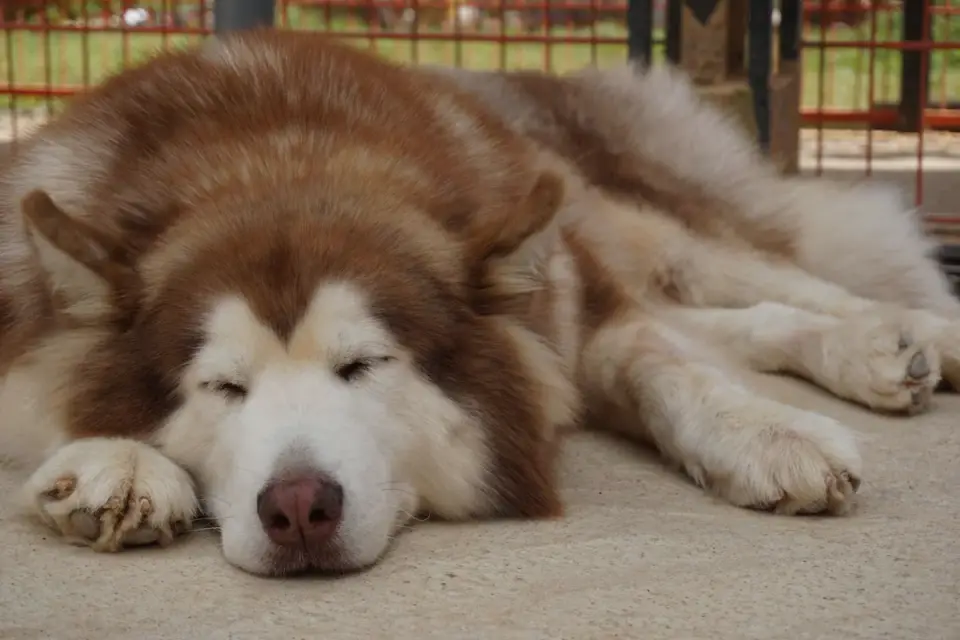
A workable weekly shape for most painful joints
Start where recovery succeeds, not where enthusiasm peaks. For many stiff dogs that means two 10–15 minute leash walks daily on soft, level ground, with 2–3 minutes of slow warm-up before a normal pace.
Build, then hold
Add time to only one walk per week. Keep play low-impact: sniff walks, gentle incline-free trails, short swim sessions if the dog is a confident swimmer and the entry is non-slip. Skip repetitive ball chasing, jumping, stairs for exercise, and long hikes until the dog passes the tomorrow-morning test for a full month.
Weight deserves the same attention as minutes. Extra body fat increases load and low-grade inflammation, so ask your clinic what an ideal range looks like and track it monthly. Nutrition questions around fats for joint support come up often; this comparison of sardines vs. fish oil supplements for a dog’s joint health and this primer on how to choose a hip and joint supplement for your dog lay out label tradeoffs without promising a cure.
The edge case that changes the math
She was 12 years old, 18 pounds, a small terrier mix with a heart murmur and creaky carpi, not hips. Her owner assumed shorter was always safer and cut her to backyard potty breaks only. Three weeks in, her nighttime restlessness worsened and her forelimb muscle thinned, so even small steps looked harder.
We reintroduced three 8-minute scent walks daily, plus three 3-minute indoor sessions of slow weight-shifts and cookie-stretches on a rug. No stairs, no jumping off furniture, carried down the porch steps. By day 10 her sleep settled and her morning rise took seconds less coaxing. Too little motion had cost her the muscle that was bracing sore joints.
Rest still matters after flares, but prolonged couch rest is rarely the answer unless your veterinarian prescribes it for injury or post-procedure healing.
Where I land, and the best counterargument
My position is simple: prescribe recovery, not mileage. Hold the highest exercise dose the dog can repeat for two to three weeks with no next-day worsening. That treats access seriously, because a modest daily walk the owner can sustain protects joints better than an ambitious plan that collapses.
The strongest counterargument is that some dogs seem brighter after hard exercise, and owners fear “holding them back” steals joy. I respect that. A pain-masked burst can look like happiness in the moment, then cost two days of movement. I would rather bank joy in daily, repeatable doses — sniffing, exploring, training games — than spend it all on Saturday.
If stiffness persists despite careful dosing, if limping lasts beyond 24–48 hours, or if behavior, appetite, or sleep changes, see your veterinarian for a pain and lameness exam. Exercise is powerful joint support, but it does not replace diagnosis, weight care, or prescribed pain control.
Sources
- Chondroitin and synovial homeostasis in joint health — Frontiers in Veterinary Science
- Osteoarthritis in Dogs — American College of Veterinary Surgeons