Build gentle movement around stiff joints first, then add distance only when gait stays even.
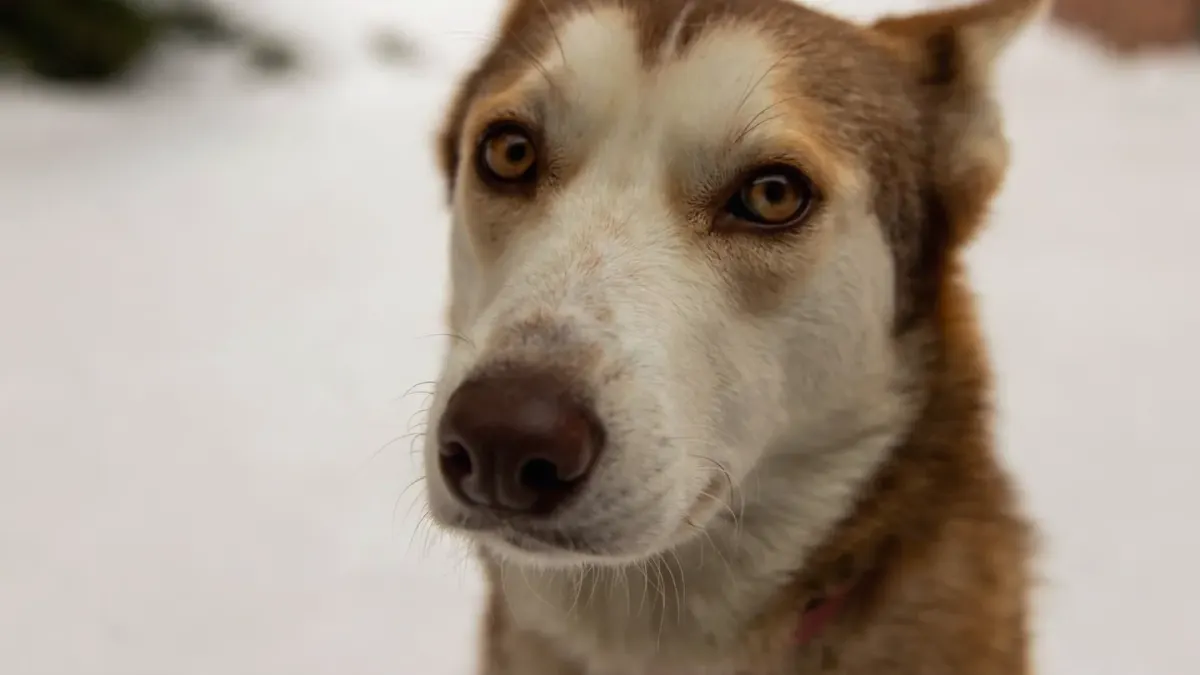
A stiff senior dog still needs motion, but the load has to match what arthritic cartilage and tired muscle can handle that day. Monica in Columbus, Ohio, noticed it with Punky, her 8-year-old spayed female Pembroke Welsh Corgi: slow to rise for about three minutes on tile, then walking fairly evenly once she reached carpet and had taken 20 steps. That pattern — rough start, smoother middle, fatigue at the end — is the whole routine in miniature.
Use this checklist before you expand anything:
- Vet clearance first for new stiffness, pain vocalizing, swelling, or hind-leg buckling
- Flat, high-traction footing; avoid stairs, jumps, and slick floors
- Short, frequent sets rather than one long walk
- Warm-up at a shuffle, then steady pace, then cool-down
- Track gait symmetry, sit-to-stand ease, and recovery time
- End before limping, lagging, or heavy panting starts
- Adjust tomorrow from today, not from last month
In practice, vets often see owners over-focus on distance and under-focus on joint mechanics. Cartilage tolerates slow, distributed compression. It tolerates shear, impact, and twisting poorly. That distinction should drive every choice below.
Read the joint before you load the joint
Stiffness after rest reflects increased resistance in periarticular tissues and reduced synovial distribution across an uneven joint surface. Once the dog takes a series of slow steps, fluid films the surface and range improves.
Watch the first 30 to 60 seconds. Even stride with a short cadence means the plan can proceed. Head bob, shortened forelimb reach, bunny-hopping behind, toe scuffing, or sitting out a turn means reduce load.
A common question is whether soreness the next morning means the walk was too much. Often it does. Recovery beyond a few hours, reluctance on stairs that evening, or need for extra help rising points to overload.
For background on sorting arthritic stiffness from neurologic weakness, this guide to Dog Hind Leg Weakness: Sorting Orthopedic Pain From a Neurologic Problem is useful context. The Cornell University College of Veterinary Medicine osteoarthritis resource also describes how cartilage loss, pain, and reduced activity reinforce each other in senior dogs.
Joint supplements stay in the background here.
They may support structure and function alongside weight control and activity modification, but they do not change contact forces. For how those ingredients are evaluated, see How to Choose a Hip and Joint Supplement for Your Dog.
Build the week on flat, grippy ground
Start with two to three short outings per day on level grass, packed dirt, rubber track, or carpeted hallway. Five to ten minutes at a loose-leash amble suits many stiff seniors for week one. Add about 10% time per week only when gait stays even and recovery stays short.
Control the mechanics:
- Harness with chest and belly support rather than neck pressure
- Slow pace the dog chooses; no jogging, fetching, or sharp turns
- Curbs and hills introduced as one or two repetitions, not a route
- Nose-work pauses count as rest breaks for limbs
- Ramps for car and couch; block stair sprints with a gate
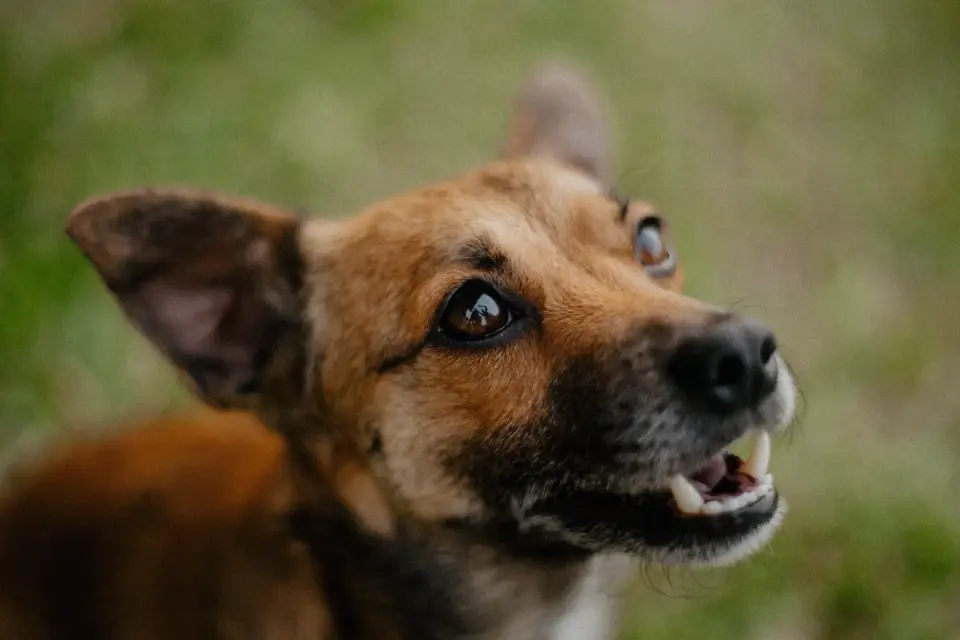
Surface matters more than mileage. Tile and wet pavement increase slip and abduction load on hips and stifles. Grass, yoga mats along transit paths, and booties with traction can reduce that shear.
Water work earns its reputation here, with limits. Chest-deep wading or a supervised underwater treadmill unloads joints while preserving range. Swimming helps some dogs, though the kick cycle can irritate a painful lumbosacral junction or shoulder.
That is where I land on the core recommendation: frequent, flat, traction-controlled walking is the base. It preserves periarticular muscle without the peak loads of running and jumping.
The alternative — longer weekend hikes plus rest days — wins on owner schedule. It loses on joint physiology. Stiff seniors do worse with pulsed overload than with the same total minutes spread evenly.
Where even the daily-walk base stops winning is during a flare. Increased lameness, joint effusion, yelping on manipulation, or non-weight-bearing needs rest and veterinary assessment, not persistence.
The VCA Hospitals arthritis guide outlines this same progression of controlled activity, weight management, and pain assessment for dogs with degenerative joint disease.
Keep score for two weeks, then keep what works
Log three lines after each outing: minutes, surface, and gait score from 1 to 3. Add morning rise time and evening willingness to move. Patterns emerge fast.
Advance when three consecutive days show even strides and rise time stable. Hold when lagging appears in the last third. Cut back by half when limping appears during the walk or stiffness runs into the next day.
Strength work stays low-impact. Three to five sit-to-stand repetitions on carpet, weight-shifting while standing square, and stepping over one low pole preserve extensor mass. Stop before trembling or collapsing into a sit.
End each session the same way. Two minutes of slow walking, water, then a padded bed in a warm area. Cold air and cold floors raise apparent stiffness without changing the joint itself.
Motion preserves what surgery cannot replace.
Frequently asked questions
How long should a walk be for a stiff senior dog?
Many stiff seniors start at 5 to 10 minutes of slow, flat walking twice daily, then add time only when gait stays even and recovery stays under a few hours.
Is limping during a walk a stop signal?
Yes. Limping, lagging behind, head bobbing, or sitting out turns means end the set and shorten the next outing. Persistent lameness warrants a vet exam.
Are stairs and hills good strengthening for senior dogs?
They load hips, stifles, and spine heavily. Keep routes flat early on, then add one or two low steps or gentle inclines only if the dog stays symmetrical.