Carry a dog with back pain level like a plank, chest and hips supported, only when walking risks more harm.
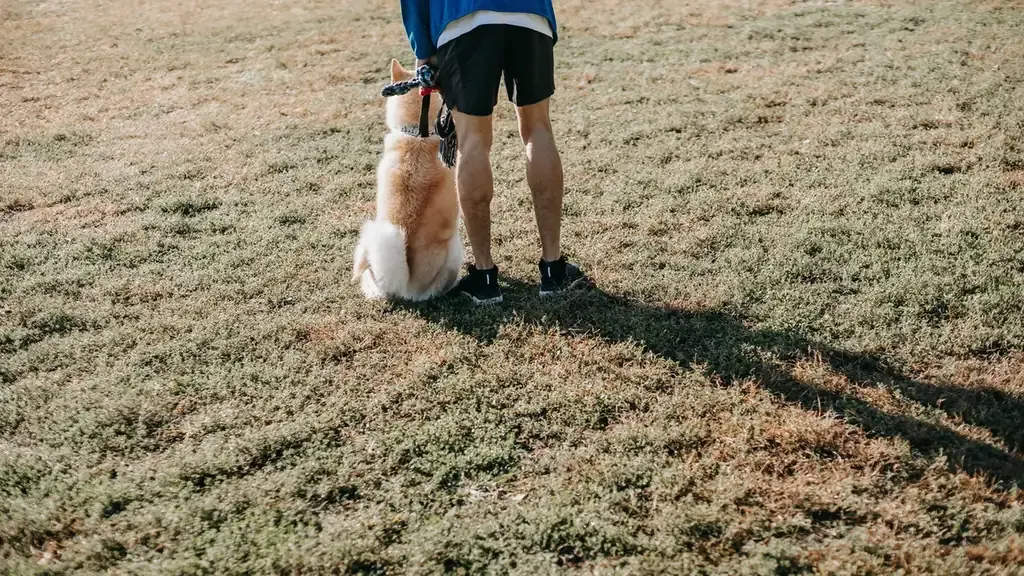
A sore back changes the rules of lifting: the goal is to move the chest and pelvis as one level unit, never to fold, twist, or dangle the spine.
In my integrative practice I pair acupuncture and Tui-na bodywork with food therapy and herbal pattern support, yet none of those four pillars helps if a single bad lift compresses an already inflamed disc. From a Western structure/function view, intervertebral disc disease and muscular back strain both worsen with bending and axial twisting; from a TCVM pattern view, sudden yelping, guarding, and reluctance to move often reflect acute Qi and Blood stagnation in the back channel that rest and level handling may help support.
When staying put is safer than lifting
Do not lift if your dog is screaming in pain, knuckling, dragging hind feet, unable to stand, incontinent, or rapidly worsening. Those signs can indicate a disc extrusion or other neurologic emergency, and improvised carrying can worsen spinal cord compression. Keep the dog still on a flat, non-slip surface, block stairs, and call your veterinarian or emergency clinic immediately.
The American College of Veterinary Surgeons describes how disc material pressing on the spinal cord can produce pain, weakness, and loss of coordination, which is why level confinement rather than repeated lifting is stressed during acute episodes.
If your dog can still walk slowly, is steady on the feet, and your veterinarian has advised short leashed outings, carrying is usually reserved for curbs, car transfers, and the few steps that cannot be ramped.
The level-plank lift for most dogs
Think plank, not hammock. One hand under the chest behind the elbows, the other hand under the pelvis in front of the hind legs, forearms forming a platform that keeps the spine horizontal from neck to tail base.
- Set yourself up first. Kneel beside the dog, not behind. Have the destination ready — crate door open, ramp placed, car seat folded flat.
- Slide one arm under the chest and cup the sternum, not the throat or front legs alone.
- Slide the other arm under the abdomen and pelvis, supporting rear weight rather than grabbing under the belly mid-spine.
- Hug the dog gently against your torso, keep its back level, and stand with your legs. No scruffing, no lifting by front legs, no vertical “baby hold,” and no letting the rear end swing.
- Set down in one motion onto a firm, non-slip surface. Avoid twisting to place the dog.
For a long, low dog, add your forearms as a longer bridge so the thoracolumbar junction does not sag in the middle. For a heavy dog you cannot lift level alone, use a stretcher board, blanket sling carried by two people, or a rear-support harness prescribed by your veterinarian rather than muscling through it.
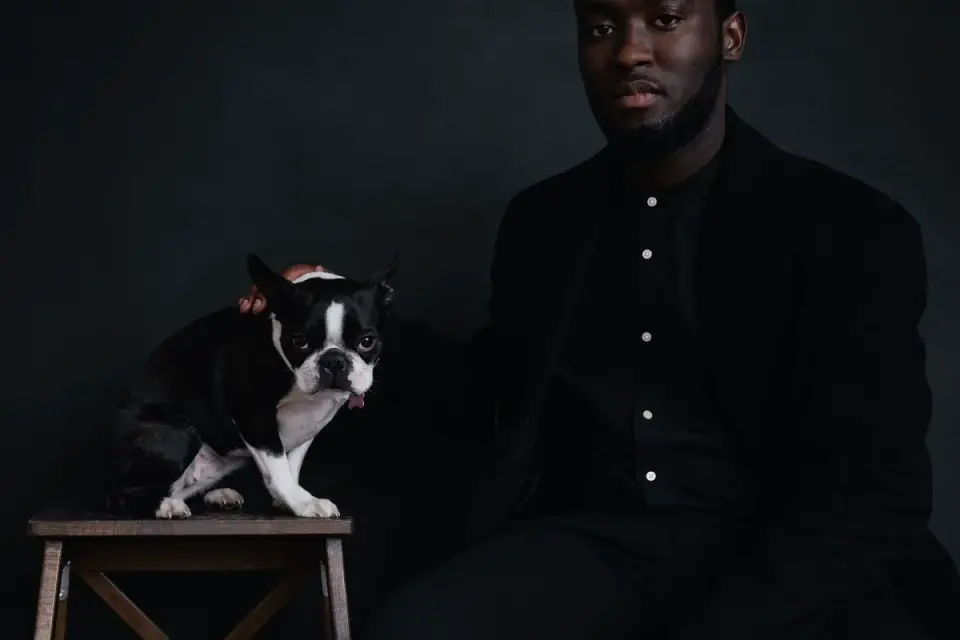
Small-dog holds that still protect the back
Small dogs get hurt by one-handed scoops under the belly and by being carried draped over one forearm with the spine curved. Instead, sit the dog’s chest in the crook of one arm while your other hand stays under the pelvis, or carry tucked against your chest with one hand on the breastbone and one hand cupping the rump.
Keep the neck neutral — do not press the head down or let it flop backward. If the dog struggles, set down and reset; a wriggling dog held mid-air loads the back unevenly, and Tui-na principles remind us that guarded muscle plus torque invites further stagnation.
Slings, crates, and car transfers
A towel sling under the belly can support stairs for a dog that is allowed to walk, but it should lift just enough to lighten load, not hoist the hindquarters off the ground or cinch the lumbar area. Keep slings forward of the hips or use a fitted support harness, keep sessions short, and stop if panting, sitting down, or yelping increases.
For car travel and clinic visits, a rigid crate or laundry-basket stretcher keeps the spine level better than carrying in arms across a parking lot. Slide the crate to the bumper, lift crate and dog together if weight allows, and use a ramp where possible. At home, the same no-jump logic behind ramps and stairs to protect a Dachshund’s back at home applies to any painful back: block sofa launches, add traction rugs, and gate stairs.
After the lift: settle, observe, support recovery
Place the dog on orthopedic foam with room to lie on the side, offer water without forcing a sit, and watch breathing, posture, and willingness to reposition over the next hour. Note what changed — hesitating at thresholds, avoiding stairs, crying when picked up a certain way — because that detail guides the next exam.
That stair avoidance is a common early signal; many owners tell me avoiding the stairs was my dog’s clearest change while everything else looked normal. If you are sorting rear-end weakness, our guide on dog hind leg weakness explains how veterinarians separate orthopedic pain from a neurologic problem.
Acupuncture to encourage movement along the Bladder channel, gentle Tui-na to ease paraspinal guarding, warming food therapy to support Spleen and Kidney patterns, and Chinese herbs matched to the individual pattern may help support comfort and mobility alongside rest, weight control, and prescribed medication — not as substitutes for diagnosis, imaging, or surgical referral when indicated.
Call your veterinarian promptly for fever, loss of appetite beyond a day, new leg weakness, dragging nails, incontinence, or pain that does not ease with prescribed rest. When in doubt, keep the dog level and still and get examined the same day.
Frequently asked questions
How do I pick up a dog with back pain?
Support chest and pelvis together so the spine stays level, hold against your torso, and avoid bending, twisting, scruffing, or lifting by legs.
Should I carry my dog with IVDD up stairs?
Only if your veterinarian allows stairs and the dog cannot use a ramp. Use a level two-handed lift or two-person stretcher, keep the back horizontal, and block unsupervised stair use.
When should I not carry a dog with back pain?
Do not lift a dog with screaming pain, sudden weakness, knuckling, dragging feet, or incontinence. Keep the dog still and seek emergency veterinary care.