On this page
Fresh kibble should smell faintly toasty and pour dry, with no clumping or oily film. The U.S. Food and Drug Administration advises storing dry pet food in a cool, dry place under 80°F, keeping food in its original bag folded closed inside a clean container, and washing bowls and scoops regularly to limit contamination.
A family with a 4-year-old, 52-pound Lab mix learned that lesson after buying in bulk to save money. They dumped a 30-pound bag into a garage bin in July, and by day 18 the dog sniffed breakfast and walked away. The kibble at the bottom had turned sticky, the bin smelled sharp and paint-like, and loose crumbs had collected under the lid. They tossed the remainder, wiped the bin with hot soapy water, and switched to buying a 2-week supply kept inside the house in the original bag.
Close the loop on air, heat, and light
Do not leave the bag open. Squeeze out air. Clip it tight.
Move the whole bag into a hard bin with a lid. Do not pour loose kibble straight into plastic.
Keep it indoors. Choose a pantry or closet below 80°F. Skip the garage, the deck box, and the spot next to the furnace.
Wash the bin between bags. Empty crumbs. Scrub with hot soapy water. Dry fully before refilling.
Buy a size your dog finishes in 4 to 6 weeks. Fresher turnover beats any container.
The bag-in-bin method that holds up
The liner inside the kibble bag is there for a reason. It slows fat oxidation, which is how the food is thought to work against going stale rather than what it might cure.
Keep lot numbers and best-by dates. Fold the top down. Drop the entire bag into the bin.
Use a clean, dry scoop. Do not use the feeding bowl as a scoop. Wash food and water bowls daily.
Check by nose and touch each week. Sharp, bitter, or chemical odor means discard. Clumping, mold, or insects mean discard the whole bag.
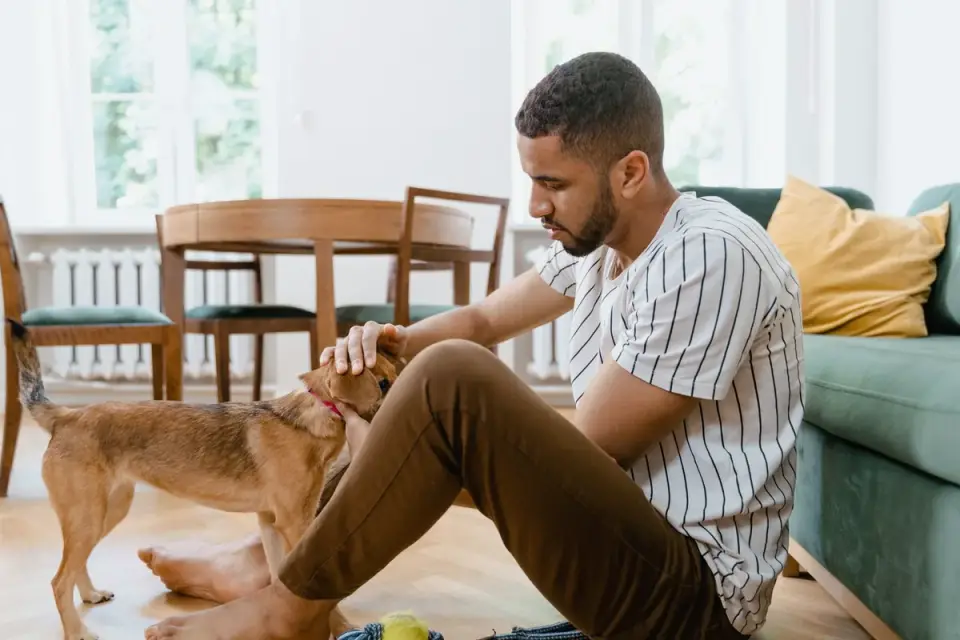
A renter with two small terriers tried to outsmart staleness with bargain canisters. She divided one large bag across three decorative containers and threw the bag away, losing the date code. Over the next five meals the younger dog ate slower, then left kibble behind twice in one week. Without the original bag she could not check the lot or date, and one container had trapped damp kibble under the lid. She went back to one sealed bag inside one washed bin.
Chill wet food fast and use it fast
Cover and refrigerate opened cans. Use within 2 to 3 days.
Spoon leftovers into glass with a lid. Do not store an open metal can uncovered.
Warm refrigerated portions to room temperature before serving. Discard uneaten wet food left out longer than 2 hours, or 1 hour on a hot day.
Freeze extra home-cooked batches in meal-size portions. Thaw in the refrigerator overnight. For balancing those meals, see Do You Need Supplements for Homemade Dog Food? and How to Balance a Homemade Dog Food Diet.
When the usual advice bends
Most households do fine with bag-in-bin plus refrigeration for wet food. The exception is a dog on a strict elimination or GI diet where even mild spoilage muddies the picture.
An owner of a 9-month-old beagle puppy weighing 22 pounds was tracking stools during a slow diet switch using guidance from How Much New Food to Mix In When Switching Dog Food. On night 6 of the transition the puppy skipped one of three daily meals and passed soft stool on two morning walks. The owner had been pre-filling a week of kibble into an uncovered bowl on the counter. The fix was different there: measure each meal from the sealed bag, wash the bowl between meals, and keep the transition log separate from storage variables.
Discard and start fresh when in doubt. Saving a stale bag is never worth a week of vomiting or diarrhea.
Frequently asked questions
Can I pour kibble straight into a storage bin?
Keep the original bag inside the bin instead. The bag protects fats from air and light, preserves the best-by date and lot code, and makes the bin easier to clean between bags.
How long does opened dry dog food stay fresh?
Plan to finish it within 4 to 6 weeks of opening, stored cool and sealed. Discard early if odor turns sharp or bitter, texture turns sticky, or you see mold or insects.
How long can opened canned dog food stay in the fridge?
Cover tightly and use within 2 to 3 days. Throw out wet food left at room temperature longer than 2 hours, or 1 hour when it is very warm.
Sources
- Tips for Safe Handling of Pet Food and Treats — U.S. Food and Drug Administration