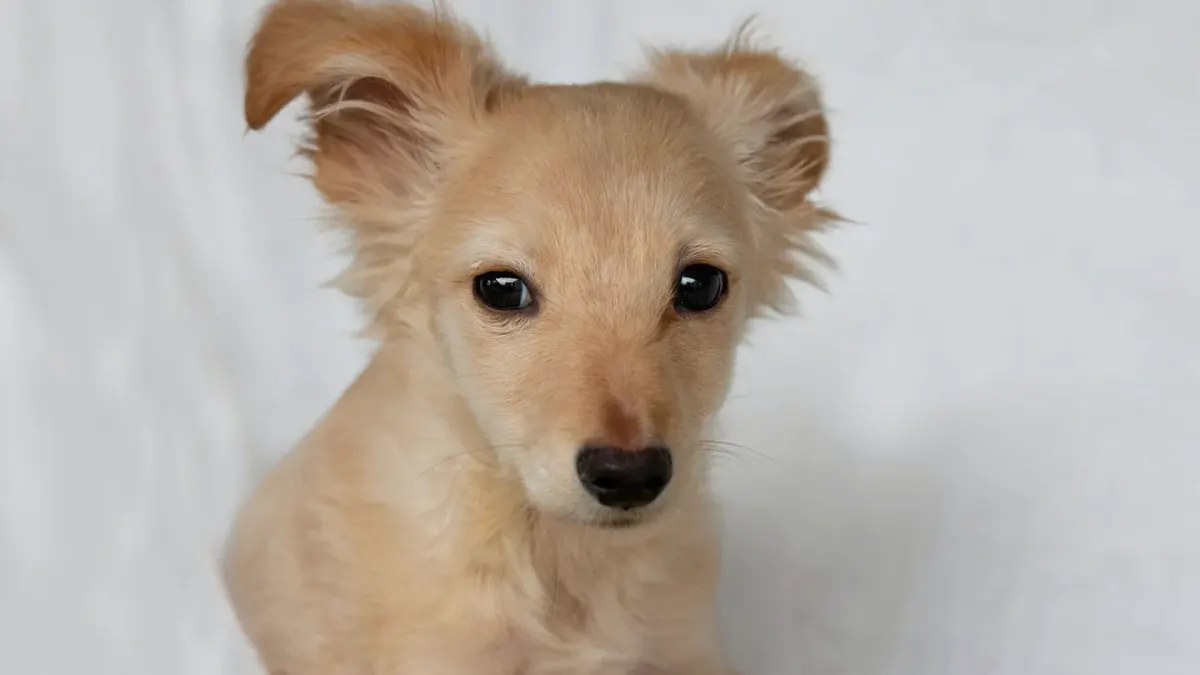
A 4-year-old 68-pound German Shepherd mix hesitates for two beats before loading her left hind to climb into the SUV, then moves normally once warm. That pause tells me more than the radiograph grade alone, because mild hip dysplasia at home is a biomechanics problem you can manage with load, muscle, and routine.
Checklist first — where your dog sits today:
- Gait pattern: stiff after rest but normal after 5 minutes of walking versus persistent lameness, bunny-hopping, or refusal on stairs
- Muscle symmetry: thigh mass maintained versus visible atrophy over the pelvis and quadriceps in three weeks or less
- Pain window: occasional shifting of weight versus vocalizing, panting at rest, or inability to rise by day 10 of a flare
- Function: can still trot, turn, and posture to eliminate versus needs assistance for basic standing
- Vet plan: radiographs graded, cruciate and patellar issues ruled out, fixation or joint replacement not yet indicated versus surgical referral already discussed
If the first half of each line fits, you are likely in the mild lane. If the second half fits, you are in the severe lane and home care is supportive, not definitive.
How load decides what home care can do
The hip is a ball held in a socket by capsule, labrum, and muscle. Laxity lets the femoral head slide, cartilage takes shear instead of compression, and synovial fluid homeostasis suffers. In mild disease the joint still centers under load when the gluteals and core fire. That is why weight control, traction, and consistent low-impact motion matter more than any powder.
In severe disease the head subluxates with every step. No supplement recenters that joint. Home care then has one honest job: preserve fixation-free comfort, protect the forelimbs and opposite hind from overload, and keep the dog mobile until the surgical decision is made.
Mechanically, think of it as joint congruency plus muscle sling plus body mass. You can improve two of those at home.
When maintenance is reasonable and what it supports
For the mild dog that warms out of stiffness, I frame joint nutrition as adjunctive support alongside training and weight. Glucosamine and chondroitin are among the most studied joint support ingredients for dogs, and the tissue work gives us narrow, defensible language.
In vitro work found glucosamine could “prevent experimentally induced cartilage degradation in vitro” as reported in the Journal of Veterinary Medical Science. A separate peer-reviewed program described chondroitin in terms that “supports healthy synovial fluid homeostasis” according to Frontiers in Veterinary Science. Green-lipped mussel work remains earlier stage; one laboratory comparison reported that “BMO, GMO, and KO all alleviated paw swelling in rats and reduced serum levels of rheumatoid factor (RF), anti-cyclic citrullinated peptide (anti-CCP) antibody, and pro-inflammatory cytokines such as TNF-α and IL-17” in Nutrients.
That is structure and function language, not repair. For deeper label reading, see How to Choose a Hip and Joint Supplement for Your Dog and Avocado-Soy Unsaponifiables vs Glucosamine for Dog Cartilage.

A 7-year-old 82-pound Labrador Retriever had been on a grocery-store chew for three weeks with no change in his morning routine. His owner added hill walks to “build the hips” and the dog got worse, lagging by the third hill and lying down at the curb. We cut the hills, kept flat 15-minute leash walks twice daily, added non-slip rugs in the hallway, and moved meals to a stand rather than a sit. By day 10 his rise time shortened from 8 seconds to 3 seconds on video. The failed approach was more load on an incongruent joint. Less shear did what the extra chew could not.
The counterargument I hear is that high-dose combinations should hold a moderate dog without exercise change. I do not accept that trade. Without load control, adjuncts sit on top of ongoing cartilage shear.
What severe disease changes at home
Severe dysplasia shifts the goal from joint preservation to whole-dog mechanics.
Keep body condition at 4/9 if your veterinarian agrees. Use a rear-support harness for stairs, not a collar lift that twists the lumbar spine. Break walks into short, flat bouts. Add physical therapy for isometric gluteal work and underwater treadmill if available. Track thigh circumference and rise ability weekly. Loss of fixation of the head in the socket will show as narrowing stance, external rotation of the stifle, and forelimb overdevelopment.
This is also where I am direct about limits. Persistent non-weight-bearing lameness, night restlessness, or loss of 2 pounds of muscle in a month despite work means home care is no longer keeping up. Total hip replacement and femoral head ostectomy do different mechanical jobs, and that choice belongs with imaging and an orthopedic exam, not a supplement aisle.
A 9-year-old 54-pound pit bull mix with bilateral severe changes taught her owner this edge case. She could still walk a mile but could not posture to defecate without collapsing by week six of winter. The owner focused on distance and missed the functional task. We shortened walks, raised food and water, built a 4-inch platform for elimination posture practice, and scheduled a surgical consult. Her best marker was not mileage at age 9. It was a clean, unassisted posture for 20 seconds.
For form and expectation setting, compare Best Joint Supplement for Dogs: An Orthopedic Read of the Label Claims and Capsule vs. Chew Longevity Supplement for Dogs: Which Form Actually Wins?.
My position is simple. Manage mild laxity like an athlete with bad biomechanics. Support severe incongruency like a painful structural failure. Both dogs deserve consistent motion, lean mass, and honest follow-up.
Frequently asked questions
Can mild hip dysplasia be managed without surgery?
Often yes for function, with lean weight, flat controlled exercise, traction at home, rehab-based muscle work, and veterinary monitoring. Radiographs and gait exams still guide the plan.
When does severe hip dysplasia need more than home care?
When lameness persists despite rest, rising requires help, muscle atrophies, or pain breaks through prescribed medication. At that point ask your veterinarian about surgical referral.
Sources
- Chondroitin and synovial fluid homeostasis — Frontiers in Veterinary Science
- Glucosamine and experimental cartilage degradation in vitro — Journal of Veterinary Medical Science
- Marine oil comparison in rat paw swelling model — Nutrients