Your dog ate a whole stick of butter: withhold rich extras and watch stools unless repeated vomiting or pain develops.
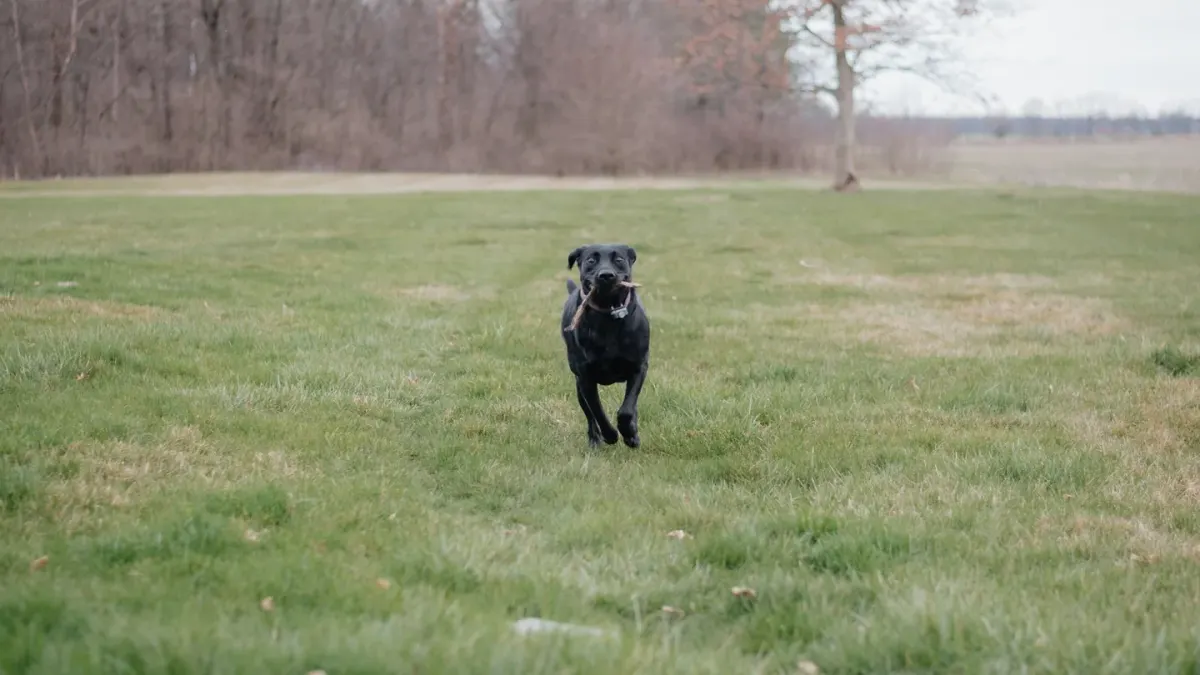
A whole stick of butter is about 8 tablespoons of almost pure milk fat, so expect loose, greasy stools for a day or two rather than poisoning in most healthy adult dogs.
Butter is not toxic like chocolate or xylitol, but that sudden fat load can overwhelm normal lipase-driven digestion and speed transit. The result is often soft stool, flatulence, reduced appetite, or a single episode of vomiting, followed by recovery once the gut clears the load.
Why butter hits harder than its size suggests
Fat in small amounts slows stomach emptying, then malabsorbed fat in the lower bowel stimulates colonic motility and water secretion. In whole-patient terms, the digestive center is asked to transform dampness it was never portioned for, so the intestines flush the excess through.
Small dogs, puppies, and dogs with prior fat sensitivity feel it more. A large adult may pass one soft stool, while a 12-pound terrier may develop frank diarrhea and cramping from the same stick. If the foil or plastic wrapper was eaten too, that adds a separate concern for mouth irritation and intestinal blockage, even if the butter itself passes.
I do not reach for pumpkin, rice, or probiotics in the first few hours. The most supportive move is to let the gut rest and observe how stool and appetite respond.

How I handle the first day at home
Remove remaining butter, wrappers, and fatty table scraps so no one adds a second load. Offer fresh water and feed the next regular meal on time, but in a slightly smaller portion and without toppers, chews, or new treats.
Watch stool form, vomiting frequency, energy, thirst, and belly comfort. One loose stool or one vomit followed by a dog that drinks, wags, and wants dinner fits dietary indiscretion.
Do not induce vomiting at home unless your veterinarian specifically advises it. Butter often comes back up on its own if it will, and hydrogen peroxide dosing carries its own irritation risk.
Signs that need a clinic visit
Risk rises with repeated fatty meals, obesity, high triglycerides, certain medications, and prior pancreatitis episodes.
Call the same day for repeated vomiting, refusal of water, marked lethargy, drooling with belly tenderness, bloody diarrhea, or a painful, hunched abdomen. Also call if wrapper is missing, if a toy-breed puppy ate the full stick, or if your dog has diabetes, kidney disease, or chronic gastrointestinal disease. Clinicians at VCA Hospitals describe the same pattern: mild one-time upset can be monitored, but ongoing pain and vomiting need examination and often blood work and fluids.

Dogs return to buttery counters because fat odor is powerfully reinforcing. Store butter in a closed container toward the back of the counter or in the refrigerator, wipe drips, and put buttered towels in a lidded hamper. Consistent feeding routines and kibble rewards for kitchen manners lower begging around table fats without changing the diet.
For related context, read A Puppy Feeding Schedule by Age: What the Gut Is Actually Doing at Each Stage.
For related context, read Are Mushrooms Safe for Dogs? What the Gut and Toxicology Evidence Actually Says.
Frequently asked questions
Will one stick of butter poison my dog?
Butter is not a toxin, but 8 tablespoons of fat often causes soft stool, gas, or vomiting for 24 to 48 hours. Call your veterinarian for repeated vomiting, belly pain, bloody stool, or if onion or garlic butter was eaten.
Should I induce vomiting after butter?
No, unless your veterinarian advises it. Monitor water intake, energy, stool, and comfort, and withhold fatty extras until stools firm up.