Skip chocolate, grapes and raisins, and onions and garlic entirely — no safe dose makes them worth the risk.
On this page
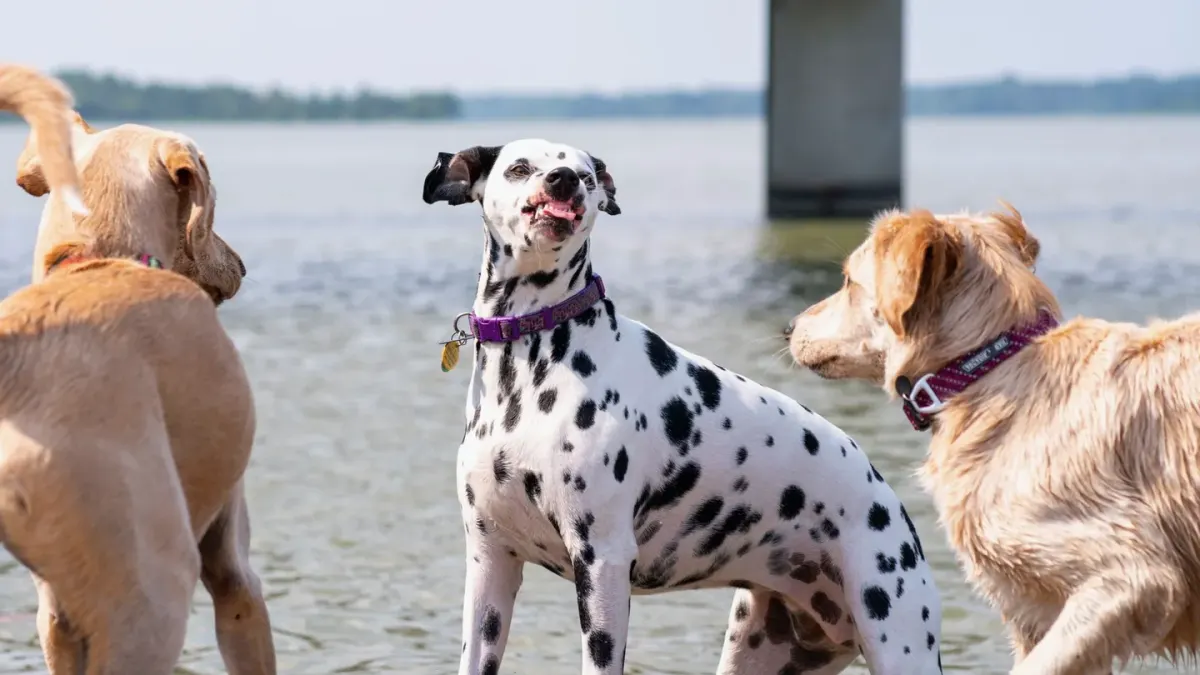
Chocolate, grapes and raisins, and onions and garlic earn a permanent place off the menu because each injures dogs through a different pathway the gut cannot fix with fiber or probiotics.
I reach for both the imaging study and the acupuncture needle in neurology practice, and food safety asks for that same dual view: what the toxin is thought to do at the cellular level, and how to support the whole patient while the body clears it. Owners remember mechanisms longer than lists, so here is why these three matter.
Why chocolate acts on heart, brain, and gut
Chocolate contains theobromine and caffeine, methylxanthines dogs clear far more slowly than people do. As the Merck Veterinary Manual describes, those compounds stimulate the central nervous system and heart muscle while relaxing smooth muscle, which is why vomiting and restlessness may progress to tremor, rapid heart rate, and seizure in higher-dose exposures.
Dark and baking chocolate carry more theobromine per ounce than milk chocolate, so a small square can matter more than a larger milk-chocolate bite. Fat in chocolate can also irritate the pancreas. There is no benefit that offsets that pharmacology, which is why my rule is simple: no cocoa, no chocolate chips, no “just a lick” habit.
If chocolate is eaten, note the type, estimated amount, your dog’s weight, and time of ingestion, then call your veterinarian or poison control promptly. Do not wait for tremors to decide.
Why grapes and raisins can injure kidneys
Grapes, raisins, currants, and sultanas have been linked to acute kidney injury in some dogs, and the dose-response remains unpredictable. One dog may pass a single grape without signs while another develops vomiting, lethargy, reduced appetite, and reduced urine output after a small handful.
Research into tartaric acid as a candidate trigger is ongoing, but the clinical message is already stable: there is no known safe amount.
I treated this kind of uncertainty as I would an early neurologic sign — act before the lesion declares itself. For suspected grape or raisin ingestion, contact your veterinarian the same day even if your dog looks normal, because decontamination and monitoring may help support kidney perfusion only when started early. For holiday table planning, my plate-by-plate holiday guide in What Thanksgiving Foods Are Safe for Dogs? A Vet Neurologist’s Plate-by-Plate Guide is a useful cross-check.
Why onions and garlic injure red blood cells
Onions, garlic, leeks, and chives contain organosulfur compounds that can oxidize hemoglobin in canine red blood cells. That oxidative injury may help explain Heinz-body formation, reduced oxygen-carrying capacity, weakness, pale gums, and dark urine developing one to several days after exposure.
The ASPCA Animal Poison Control includes onion and garlic relatives among hazards for dogs and cats, and cooked, powdered, and soup-base forms still count. A dusting of garlic powder feels harmless in human cooking, yet powders concentrate the compounds and repeat small exposures can add up.
This is also where TCVM food therapy shapes how I counsel: warming foods like cooked chicken or ginger may help support appetite during recovery in some patterns, but they do not detoxify damaged red cells. Blood work decides. If onion or garlic was eaten, save the label, estimate the amount, and ask about baseline and recheck blood work rather than watching gums alone.
What to do after any of the three is eaten
Stay anchored to how help is thought to work: rapid removal, reduced absorption, and organ support under veterinary direction — not home vomiting protocols found online.
- Move remaining food away and confirm what, how much, and when.
- Call your veterinarian, emergency clinic, or poison control with your dog’s weight and product label.
- Do not induce vomiting unless specifically directed; aspiration and delay are real risks.
- Bring the wrapper, grape stem, or recipe screenshot to the visit.
- Ask what monitoring fits: cardiac monitoring for chocolate, kidney values and urine output for grapes and raisins, complete blood count for Allium exposure.
For kitchen habits that lower other urgent risks, see Feeding Habits That Lower Bloat Risk in Dogs and keep single-ingredient treats simple with Are Single-Ingredient Dog Treats Better? What the Gut Evidence Supports.
Lists fade. Mechanisms stick: chocolate overstimulates heart and brain, grapes and raisins threaten kidneys without a predictable dose, and onions and garlic damage red blood cells days later. Leave all three out of the bowl.
Frequently asked questions
What are three foods you should never feed your dog?
Chocolate, grapes and raisins, and onions and garlic including leeks and chives. Each harms through a different mechanism — cardiac and neurologic stimulation, kidney injury, and red blood cell damage — with no safe table-scrap dose.
How much chocolate, grapes, or onion is dangerous?
Risk varies by type, preparation, dog size, and individual sensitivity. Dark chocolate is more potent than milk chocolate, grape toxicity is unpredictable, and powdered onion or garlic is concentrated. Treat any amount as a call-your-vet event.