What Thanksgiving Foods Are Safe for Dogs? A Vet Neurologist's Plate-by-Plate Guide
Medically reviewed by Roger Clemmons, DVM, PhD, DACVIM (Neurology and Neurosurgery), CVA, CVFT — For general education — not a substitute for veterinary care.
Most of the Thanksgiving table is off-limits for dogs not because a single bite is poison, but because fat load, bones, and hidden alliums stack risk quietly.

On this page
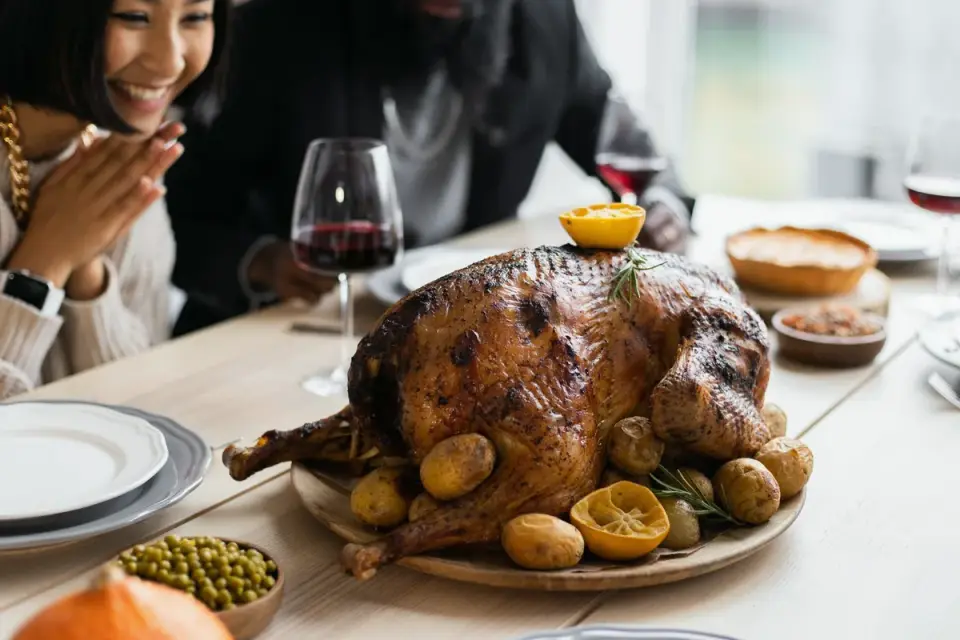
Start with the plate in front of you, not the whole spread. Set aside a small dish of plain turkey breast, no skin, no seasoning, before the gravy boat comes out. That single habit prevents more Thanksgiving vet visits than any amount of after-the-fact vigilance, because once the table is assembled, dishes get passed, plates get scraped, and a dog underfoot ends up eating whatever falls.
I’ve worked enough holiday-weekend emergency shifts to know the pattern by heart. A seven-year-old Labrador named Duke, brought in around 9 p.m. on the Friday after Thanksgiving, vomiting since dinner, abdomen tender to palpation, owner insisting he’d “only had a little gravy and some skin.” Pancreatitis doesn’t care about “a little.” It cares about the sudden jump from a normal daily fat intake to a fat bolus the pancreas isn’t primed to handle, and dogs with a prior GI-sensitive history are the ones I watch hardest. Duke stayed two nights on IV fluids and an easily digestible diet before his amylase and lipase trended back down. The owners weren’t careless people. They just hadn’t mapped the specific dishes to specific risks, and by the time the signs showed up, the table was already cleared.
What to actually put in the bowl
Plain, unseasoned turkey breast (skin and bones removed) is a reasonable protein addition in modest amounts for most dogs. Plain green beans, cooked with no butter or salt, are fine. Plain baked or boiled sweet potato, mashed with nothing added, is a good option too. Pumpkin gets asked about constantly this time of year, and the fiber case for it holds up: pumpkin fiber is a gentle, natural source of both soluble and insoluble fiber, which is one reason plain canned pumpkin (not pie filling) shows up so often as a bland-diet add-in when a dog’s stool needs firming.
Keep the portions small. A few tablespoons mixed into a normal meal, not a second dinner. Dogs on prescription diets or with a history of pancreatitis should skip the extras entirely this year, table scraps or not.
What to keep off the table entirely
Onions, garlic, shallots, and scallions are common in stuffing, gravy, and casseroles, and all of them can damage a dog’s red blood cells, so any dish built around them is a hard no regardless of how small the piece looks. Cooked turkey or chicken bones splinter and can perforate the GI tract or cause an obstruction, which is a surgical problem, not a wait-and-see one. Grapes and raisins, sometimes hiding in stuffing or a fruit-forward side, have a narrow but real toxicity margin that isn’t worth testing. And anything sweetened with xylitol, an increasingly common sugar substitute in baked goods and some peanut butters, triggers a rapid insulin surge that can drop a dog’s blood sugar within 10 to 60 minutes of ingestion, according to the FDA. That one belongs nowhere near the dessert table if a dog has access to it.
Gravy and stuffing deserve their own mention because they combine several problems at once: onion and garlic, heavy fat, butter, and often more salt than a dog’s kidneys are built to process in one sitting. The AKC is direct about it: turkey skin, stuffing, and gravy are all foods to skip, because the added fat and spices are disproportionate to what a dog’s system handles well. Mashed potatoes follow the same logic. Plain boiled or baked potato is fine; the version whipped with butter, cream, and sometimes onion or garlic is not, and there’s rarely an easy way to tell which version is sitting in the serving bowl once it’s already been passed around the table.
The counterargument, and why I still land where I do
The pushback I hear most is some version of “a little turkey skin never hurt my last three dogs.” That’s often true, and I don’t dismiss it. Most dogs that eat a modest amount of fatty holiday food have an uneventful GI upset, or nothing at all. But pancreatitis risk isn’t evenly distributed. It clusters in dogs that are overweight, have had prior GI or pancreatic disease, or eat a low-fat diet the rest of the year and then get a sudden fat spike. I can’t examine a dog’s pancreas from a Thanksgiving table, and neither can an owner, so the recommendation has to account for the dog you can’t see the risk in, not just the one who’s tolerated table scraps before. That’s the imaging-study instinct at work: treat the unknown internal state as real even when the external signs look fine, the same caution I’d apply before ruling out a neurologic finding on exam alone.
What I watch for after the fact
If a dog does get into something off the safe list, the timeline of symptoms matters more than the food itself. Vomiting or diarrhea that starts within a few hours and resolves within a day is usually manageable at home with a bland diet. Vomiting that persists past 24 hours, a painful or distended abdomen, lethargy, or any tremor or seizure activity (a classic xylitol sign) warrants a same-day call to a vet or an emergency clinic, not a wait-and-see approach.
For dogs whose stomachs get thrown off by even the “safe” extras, the gut doesn’t always reset overnight. The research on probiotics for dogs with GI upset is more nuanced than marketing copy usually admits. One controlled trial looking at dogs given a synbiotic found that diversity metrics did not distinguish non-responders from responders, meaning a more diverse gut microbiome on paper didn’t reliably predict which dogs actually improved, according to a Frontiers in Veterinary Science: peer-reviewed 2025 study. That’s a useful humility check: a “balanced gut microbiome supports overall immune function,” which is a defensible structure/function statement, but it’s not the same as promising a specific dog’s loose stool will resolve on a specific timeline.
I saw this play out with a nine-year-old Cavalier named Biscuit, brought in the Monday after Thanksgiving with three days of soft stool after a weekend of turkey drippings poured “just this once” over her kibble. Her owner had already tried a bland chicken-and-rice reset with partial improvement. We talked through what the fat load had likely done to her motility and what a gentler fiber source could add going forward, and settled on plain pumpkin worked into her regular food rather than another rich topper. Her stool firmed up over about five days. That’s one case, not a study result, but it’s the kind of pattern I see often enough in late November to plan for it every year.
If dietary indiscretion is a recurring issue for a particular dog, not just a holiday event, it’s worth reading further on how the gut handles other everyday human foods dogs get into, like apples or bananas, both of which raise similar fiber-load questions on a smaller scale. Owners managing chronic pancreatic or exocrine issues should also know that conditions like EPI are treated with pancreatic enzyme replacement therapy, nutritional management using low-residue diets with moderate fat content, and cobalamin supplementation, according to a 2024 JAVMA review, which underscores why fat content, not just ingredient identity, is the variable to manage in any dog with a sensitive GI history.
My bottom line
Reach for both the imaging study and the acupuncture needle, meaning: respect the hard data on what’s dangerous (bones, alliums, xylitol, grapes) and also respect the softer, individualized picture of a given dog’s tolerance and history. A healthy, normal-weight dog with no GI history can usually handle small amounts of plain turkey, plain green beans, and plain pumpkin without issue. A dog with any history of pancreatitis, GI sensitivity, or obesity should get none of the extras this year, however small the piece looks. When in doubt, the safest single move is the one from the top of this piece: set the plain dish aside before the table fills up, and keep everything else out of reach. If your dog does get into something on the avoid list, don’t wait out a full day of vomiting to decide whether to call. Related reading if fiber and gut tolerance are a recurring question in your house: our guides on mushrooms and onions cover two of the most common holiday-adjacent questions in more depth.
Frequently asked questions
Can dogs eat plain turkey on Thanksgiving?
Yes, small amounts of plain, unseasoned, boneless, skinless turkey breast are a reasonable addition for most healthy dogs. Skip the skin and any turkey cooked with butter, oil, or seasoning.
Is stuffing safe for dogs?
No. Stuffing usually contains onion, garlic, butter, and broth that are too rich and potentially toxic for dogs, according to the AKC.
What Thanksgiving food is most dangerous for dogs?
Bones, alliums (onion, garlic, shallots), grapes/raisins, and anything containing xylitol carry the highest acute risk, alongside fatty dishes like gravy that can trigger pancreatitis.
My dog ate gravy off a plate. What should I watch for?
Watch for vomiting, diarrhea, lethargy, or abdominal pain over the following 24-48 hours. Persistent vomiting or a painful, distended abdomen warrants a same-day vet call.
Sources
- Paws Off Xylitol; It's Dangerous for Dogs | FDA — FDA
- Which Thanksgiving Foods Can I Give My Dog? Which Should I Avoid? — AKC
- Diversity metrics did not distinguish non-responders from responders — Frontiers in Veterinary Science
- EPI treatment: pancreatic enzyme replacement therapy, nutritional management, cobalamin — JAVMA