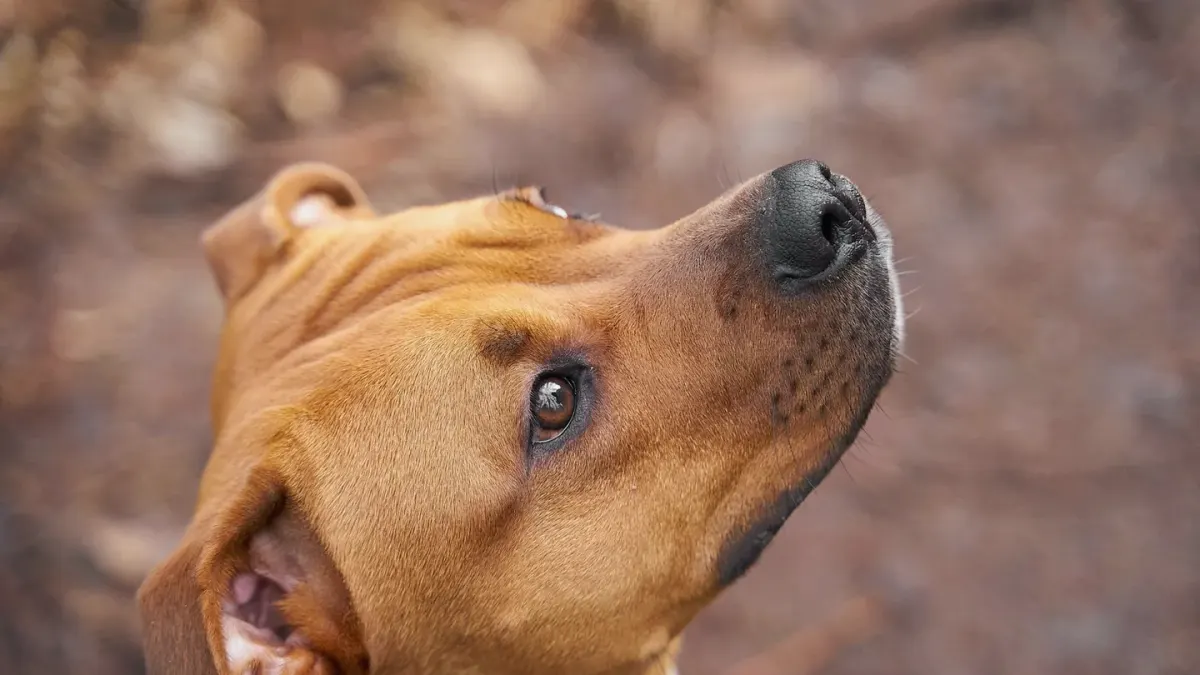
Watch an old dog rise and you are watching more than arthritis. Stiffness after rest does not always mean bone-on-bone damage, and a normal-appearing X-ray does not always mean no pain.
The first shift is usually cartilage thinning and slower repair. Cartilage has little blood supply, so years of running, slipping, excess weight, or an old cruciate or elbow injury gradually roughen a surface that once glided. Work that looked at cartilage in the laboratory reported that glucosamine may “prevent experimentally induced cartilage degradation in vitro,” as described in the Journal of Veterinary Medical Science. That is tissue-level work, not proof of pain relief, and I hold that boundary carefully.
A 10-year-old, 68-pound mixed breed taught his family this distinction well. He had slowed on stairs for three weeks, panted at night, and needed two tries to stand on laminate each morning. His people worried about hips, yet his hind-end exam showed thigh muscle loss, tight hip flexors, and sore lower-back muscles compensating for stiff stifles. Once rugs were placed, daily walks were shortened but kept regular, weight was trimmed by two pounds over eight weeks, and his veterinarian adjusted the pain plan, by day 10 he rose in one attempt again. The joint was still aged. The whole patient moved with less effort.
Why does the same wear hurt some dogs more?
Pain comes from the structures around cartilage. The synovial lining, joint capsule, ligaments, and nearby muscle all carry nerves. When the lining stays reactive, fluid quality changes and the joint swells, stiffens, and tires faster.
That is why I watch synovial health closely. One peer-reviewed line of joint research uses the phrase “supports healthy synovial fluid homeostasis,” reported in Frontiers in Veterinary Science. I read that as support for the joint environment, not as a cure for arthritis. In practice, dogs with healthier movement patterns, lean body condition, and treated pain often keep better range even when radiographs still show age-related change.
Check load next. Every extra pound multiplies force through elbows, stifles, and hips. Add weak hind-end muscles, long nails that alter stance, slippery floors, or weekend bursts after a sedentary week, and pain spikes without new structural damage.
Where does inflammation and the gut fit?
Low-grade inflammation is the second driver. Fat tissue, dental disease, chronic itch, and gastrointestinal upset can keep immune signaling elevated. The gut-joint axis is still early science in dogs, yet the mechanism is plausible: microbial metabolites and barrier function influence systemic immune tone, which in turn affects how reactive a joint lining remains.
Nutrition studies reflect that interest in calming joint-associated pathways rather than rebuilding cartilage overnight. In rodent work on marine and botanical lipids, researchers found that “BMO, GMO, and KO all alleviated paw swelling in rats and reduced serum levels of rheumatoid factor (RF), anti-cyclic citrullinated peptide (anti-CCP) antibody, and pro-inflammatory cytokines such as TNF-α and IL-17,” as published in Nutrients. Rats are not senior Labradors, so I treat this as directional, not prescriptive.
A failed approach clarified this for me. A family with a 12-year-old, 44-pound spaniel-type dog had tried three weeks of a green-lipped mussel chew alone while skipping weight review and pain assessment. The dog still lagged at minute fifteen on walks and licked one carpus at night. Food logs showed generous treats, the carpus had compensatory strain from a sore shoulder, and no clinician had graded pain. Once the primary shoulder pain was addressed, strength work was added, and diet was measured, the chew became a background support rather than the plan. Single-ingredient hope had delayed whole-patient care.
Do the basics in order. Keep weight lean enough to feel ribs with light pressure. Walk daily in shorter bouts rather than one long weekend hike. Add traction, ramps, and a firm orthopedic bed. Ask your veterinarian to score pain, review nails, muscle symmetry, and neurologic signs, and revisit the plan every four to eight weeks through a season change.
What changes the plan in an old dog?
Neurologic disease mimics joint pain. Dragging toes, knuckling, sudden hind-end collapse, loss of bladder control, or pain that does not shift with rest and activity points away from simple arthritis. That distinction matters because joint supplements will not steady a dog with lumbosacral stenosis or degenerative myelopathy. For help sorting that overlap, read Dog Hind Leg Weakness: Sorting Orthopedic Pain From a Neurologic Problem.
An 8-year-old, 92-pound large-breed dog showed the edge case I watch for in heavy seniors. He weighed nearly twenty pounds over ideal, yet his worst sign was not limping. It was standing to eat for only three minutes before sitting, then lying down by minute six on a gentle loop. Bloodwork revealed no red flags, but orthopedic exam found elbow thickening plus marked quadriceps loss. The choice was not which chew to buy. It was whether the family could commit to measured feeding, twice-daily five-minute leash walks, and assisted stands. By week six he stood for the full meal and finished a ten-minute loop without sitting. Load and muscle had been the lever.
The strongest counterargument is fair: if cartilage cannot regrow meaningfully, why bother with joint nutrition at all. My answer stays comfort-first. Ingredients such as glucosamine and chondroitin are among the most studied joint support ingredients in this category, and selected marine lipids and glycosaminoglycans have been studied for joint support, but I use them to help support flexibility, mobility, and the joint environment alongside weight control, rehabilitation, acupuncture when appropriate, and veterinarian-guided pain relief. For label reading without marketing language, see Best Joint Supplement for Dogs: An Orthopedic Read of the Label Claims and How to Choose a Hip and Joint Supplement for Your Dog.
Track one page for the next month. Note time to rise in seconds, stairs attempted, walk minutes before slowing, night restlessness, and appetite the morning after activity. Bring that sheet to your visit. Comfort grows when pain management, movement, and home setup move together, with nutrition as steady background support.
Frequently asked questions
Is joint pain in older dogs always arthritis?
No. Osteoarthritis is common, but soft-tissue strain, old ligament injury, spinal pain, muscle loss, and neurologic disease can look similar. A veterinarian exam that checks gait, muscle symmetry, joint range, and neurologic signs sorts the cause.
What should I track at home before the vet visit?
Record time to rise after rest, stairs willingness, walk minutes before slowing, night panting or restlessness, and next-morning soreness. Bring weight, diet portions, flooring, and exercise changes from the prior four weeks.
Sources
- Synovial Fluid Homeostasis Study — Frontiers in Veterinary Science
- Glucosamine and Cartilage Degradation In Vitro — Journal of Veterinary Medical Science
- Marine Lipids and Paw Swelling in Rats — Nutrients