On this page
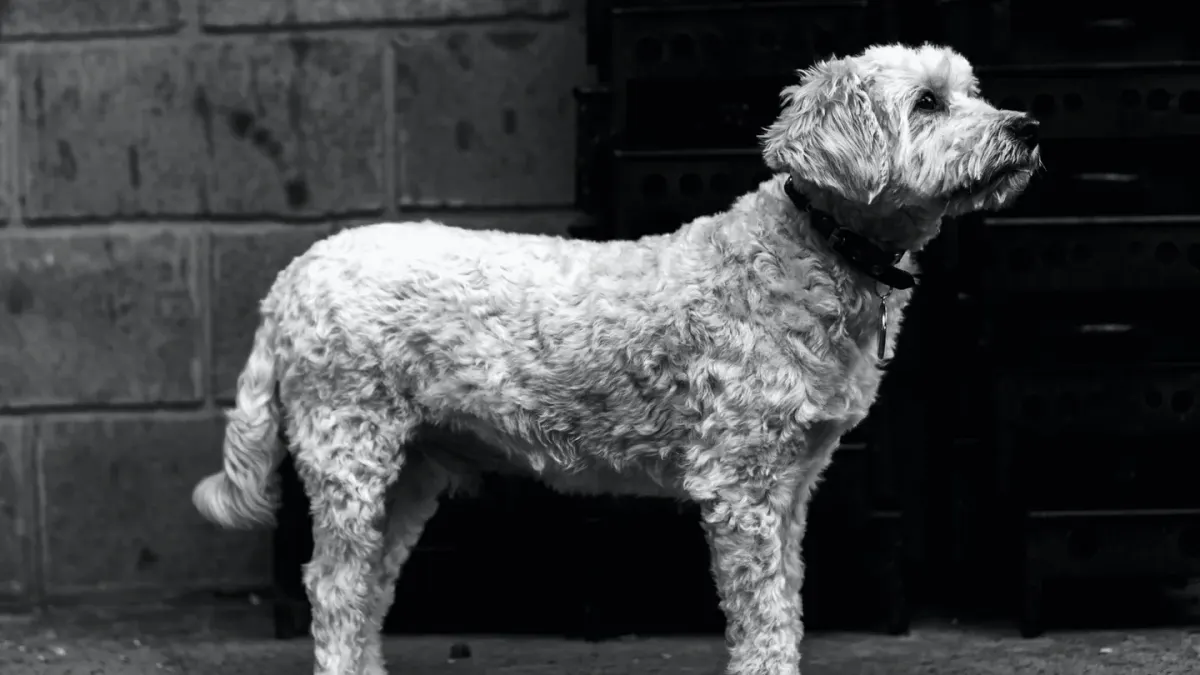
The morning turned damp before the walk, and Milo, a nine-year-old 72-pound Labrador mix, stopped at the third step of the porch and shifted his weight off his left hip. His owner watched the familiar hesitation, the slow sit, the look back as if asking for more time. Three weeks in of shorter evenings and wet grass, the pattern was hard to miss. On dry afternoons he trotted to the mailbox, but when clouds gathered he rose stiff from his bed and needed a full minute to unfold. The question she brought in was simple and pointed, whether rainy weather was truly flaring his arthritis or whether she was reading meaning into coincidence.
That question deserves a careful answer. As a clinician who reasons from the plant and compound outward, I start with tissue behavior rather than weather lore. Cold, damp, and low-pressure days do not create osteoarthritis, yet they can make an already compromised joint feel worse through reduced activity, stiffer periarticular tissues, and changes in how synovial fluid lubricates movement after rest. In Traditional Chinese Medicine pattern-thinking, this is the classic invasion of damp-cold in a joint already deficient underneath, where circulation slows and stiffness settles. Western physiology describes a parallel picture of viscous synovial fluid, guarded muscle, and a dog that moves less and then stiffens more.
Does falling pressure actually reach the joint?
Short answer first, because the literature asks for humility here. Human studies on barometric pressure and arthritic pain are mixed, with modest signals and many confounders, and controlled canine data on weather alone are thin. What is stronger is the behavioral chain that rain sets off. Dogs walk less, play less, and rest longer on wet days. Less movement means less circulation through muscle and less cycling of joint fluid, so the first steps after a long nap look lame even when the underlying cartilage has not changed overnight. Owners notice flare because function dips, not because rain dissolves cartilage.
From the lab side, this is where structure and function language helps. Research on chondroitin reports that it “supports healthy synovial fluid homeostasis,” studied as peer-reviewed work described through Frontiers in Veterinary Science. That phrase does not promise pain relief on a stormy day. It points to the maintenance of the lubricating environment that makes those first steps less creaky when movement resumes. For a deeper read on how cartilage ingredients are evaluated, see Avocado-Soy Unsaponifiables vs Glucosamine for Dog Cartilage.
Why a wet week looks like a flare
She had tried what many thoughtful owners try. When the forecast turned, she doubled a grocery-store chew for two days, added a heated blanket, and skipped walks entirely to rest the sore leg. By day 10 the dog was stiffer, not better, a 10-year-old 54-pound pit mix who now balked at the car ramp she had managed in September. Rest had traded short-term comfort for lost muscle tone, and the intermittent dosing never reached the steady tissue levels that joint-support compounds require. The tradeoff complicated the plan because the owner had done everything with care, yet inconsistency and immobility worked against the joint.
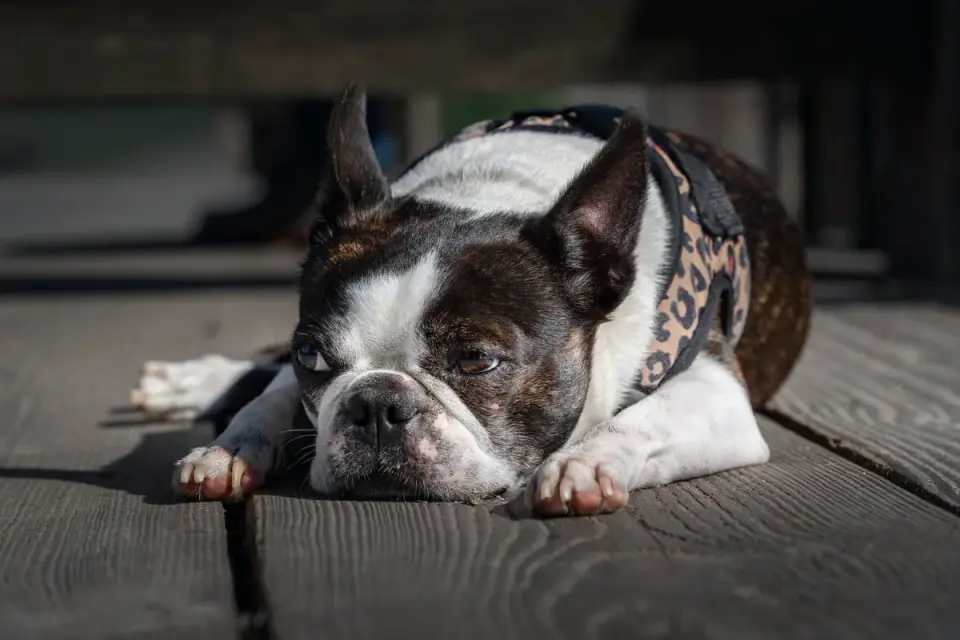
This is the central decision made concrete. Occasional storm-day dosing cannot substitute for daily maintenance, warmth, traction, and measured movement. Glucosamine HCl has been studied in work noting it “prevent experimentally induced cartilage degradation in vitro” in research summarized through the Journal of Veterinary Medical Science. Glucosamine and chondroitin are among the most studied joint support ingredients for dogs, which is why consistent use matters more than reactive use. Botanicals enter here as supporters of circulation and comfort rather than quick analgesics. Ginger, turmeric, and boswellia may help support a healthy inflammatory response and ease stiffness associated with daily activity, woven in Western terms as support for mobility and in Chinese terms as moving stagnation that accumulates in damp weather.
Daily rhythm beats forecast watching.
What steady support can and cannot do
The edge case changes the calculus. A seven-year-old 88-pound senior Rottweiler came in during a dry spell in October, yet his owner reported the same morning stiffness seen in rain, slow to rise after eight hours on a cool tile floor, better by midday. No weather trigger, same presentation. That points to the deeper driver, prolonged rest on a hard, cool surface plus age-related change in joint lubrication, not clouds themselves. For that dog the fix was an orthopedic bed in a warm corner, a five-minute leash walk before breakfast, and ramp training before winter, with joint nutrition kept steady regardless of sky.
Green-lipped mussel offers a useful example traced from the organism outward. Green-Lipped Mussel contains omega-3 fatty acids and glycosaminoglycans studied for joint support, and experimental work found that “BMO, GMO, and KO all alleviated paw swelling in rats and reduced serum levels of rheumatoid factor (RF), anti-cyclic citrullinated peptide (anti-CCP) antibody, and pro-inflammatory cytokines such as TNF-α and IL-17” as reported in Nutrients. That is early, non-canine evidence and cannot be translated into a rainy-day pain claim. It does explain why this ingredient keeps appearing in joint formulas alongside glucosamine and chondroitin. For how labels combine these actives, see Best Joint Supplement for Dogs: An Orthopedic Read of the Label Claims.
Where I land when the sky turns gray
The strongest counterargument is that rainy-day lameness is observation bias. Owners expect stiffness, walk less, and notice more. That bias is real, and I accept part of it. Still I land on treating wet-season stiffness as a functional flare worth managing, because reduced activity plus cool rest reliably worsens mobility in arthritic dogs even if pressure itself is only a minor player.
My evidence-bounded recommendation is unglamorous. Keep joint nutrition daily through the season, keep walks short and frequent with traction and warmth, provide a supportive warm bed, track stairs and rise time, and ask your veterinarian about a multimodal osteoarthritis plan before winter. For broader aging context, What Alpha-Ketoglutarate Is—and Whether It’s Safe for Aging Dogs reviews how cellular-aging research is graded. Rain does not rewrite the joint, but routine protects it when rain keeps a dog still.
Frequently asked questions
Do dogs get arthritis flare-ups in rainy weather?
Rain does not cause arthritis, but wet, cool days often reduce activity and make stiffness more visible after rest. Track rise time, stair willingness, and walk distance for two weeks to see if the pattern holds beyond owner expectation.
Should I give extra joint supplements only on rainy days?
Joint-support ingredients are studied for steady daily use to support cartilage and synovial fluid homeostasis, not as-needed storm relief. Keep daily nutrition consistent and focus rainy-day care on warmth, traction, and short frequent walks.
Sources
- Synovial homeostasis and joint ingredients in dogs — Frontiers in Veterinary Science
- Glucosamine and cartilage degradation in vitro — Journal of Veterinary Medical Science
- Mussel, green-lipped mussel and krill oils in experimental arthritis — Nutrients