On this page
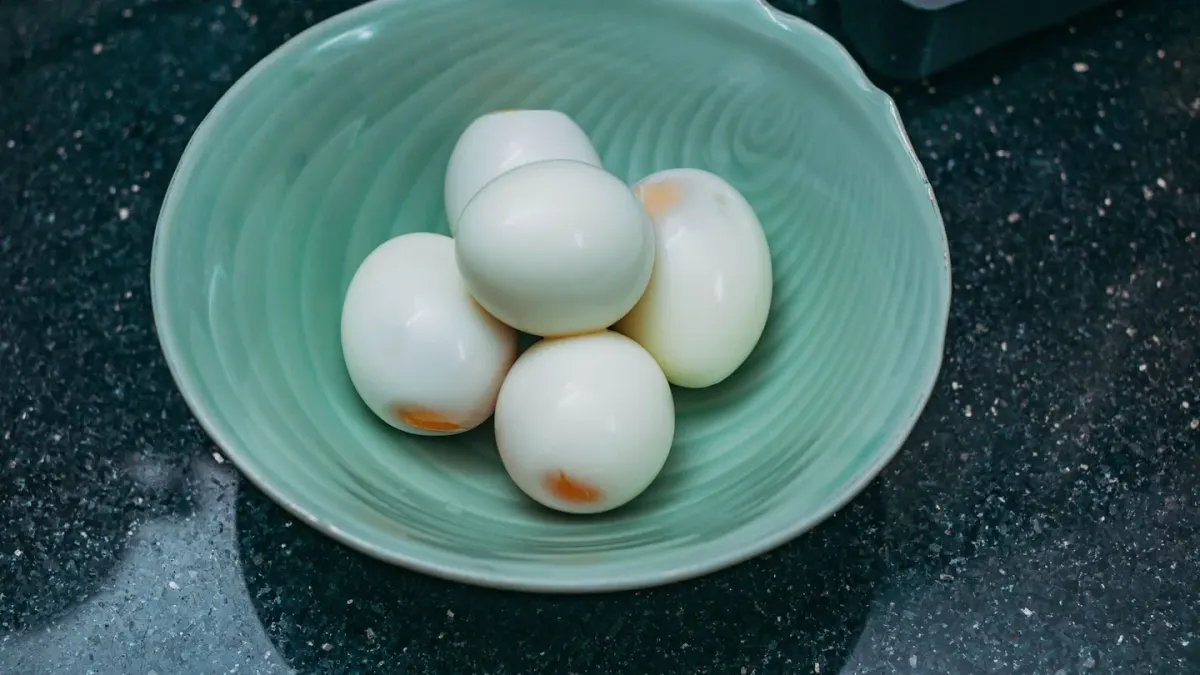
When Helen’s Lhasa Apso Zac, 3 and neutered, skipped his evening kibble after stealing table scraps in Naperville, she did what many owners do — offered plain boiled chicken and white rice in a small bowl, then watched the next 24 hours closely.
That instinct tracks what veterinarians still suggest for mild, uncomplicated upset: short-term bland, low-fat, low-residue foods while the gut settles, not a new supplement stack.
Here is the checklist I use to weigh what a bland diet can realistically do for diet and recovery:
- Plain lean protein, cooked without fat or seasoning — skinless chicken breast or lean ground turkey, drained
- Cooked white rice or plain mashed potato — soft starch that is easy to portion
- Small amount of plain canned pumpkin — gentle soluble and insoluble fiber
- Low-fat cottage cheese or plain boiled white fish in rotation — for dogs that do not tolerate poultry
- Water, rest, and small frequent meals — with a clear stop rule if vomiting, blood, pain, or lethargy appear
If stool is soft but the dog is bright, hydrated, and interested in food, that checklist covers the next 24-48 hours.
Why bland means low fat and low residue first
A bland diet is not about a magic ingredient. It is about lowering the workload: moderate protein, low fat, minimal spice, minimal fiber bulk, and consistent texture so intake is predictable.
Fat slows gastric emptying and can worsen nausea in sensitive dogs. That is why veterinary overviews of acute vomiting emphasize withholding rich foods and returning with small amounts of a bland diet once vomiting pauses, as described by VCA Hospitals.
The same principle guides intestinal cases. The Merck Veterinary Manual outlines how acute stomach and intestinal irritation is managed with dietary rest and gradual refeeding, with further workup if signs persist.
Grounded in that nutritional evidence, I view bland feeding as supportive care for mild signs — it may help support normal stool and comfortable digestion while the underlying cause resolves, not as treatment for disease.
The 5 foods that keep showing up, and how to use them
1. Skinless boneless chicken breast, boiled. Rinse, boil until cooked through, chop fine. No skin, butter, broth with onion or garlic, or seasoning. This is the anchor protein for most bland plans because it is lean and familiar.
2. White rice, cooked soft. Long-grain white rice is preferred over brown rice for this window because it leaves less residue. A common home ratio is roughly 2 parts rice to 1 part chicken by volume, fed in 3-4 small meals.
3. Plain canned pumpkin, not pie filling. Pumpkin fiber is a gentle, natural source of both soluble and insoluble fiber. Use 1-2 teaspoons for a small dog like Zac, up to 1-2 tablespoons for a large dog, mixed into the bland meal. Check the label for pumpkin only.
4. Plain low-fat cottage cheese or plain cooked white fish. Useful rotation when poultry is suspect or the dog refuses chicken. Cod or tilapia, boiled or baked plain, flaked for bones. Keep portions small; dairy does not suit every dog.
5. Plain mashed potato or plain oatmeal, small amount. A second starch option when rice is refused. No milk, butter, salt, or xylitol-containing sweeteners. For context on fruit fiber, apple flesh without seeds is another plain fiber food discussed in Can Dogs Eat Apples? What the Gut Microbiome Actually Does With the Fiber, though it is an add-on, not a bland base.
Hydration matters as much as solids. Offer fresh water freely and keep meals small.
Where fiber helps, and where it stops helping
Soluble fiber holds water and ferments into short-chain fatty acids that colonocytes use. Insoluble fiber adds bulk. That dual action is why pumpkin and rice behave differently — rice dilutes, pumpkin modulates.
The limits are real. In a recent pilot of dogs with diarrhea, Frontiers in Veterinary Science reported that “Diversity metrics did not distinguish non-responders from responders.” The microbiome response is individual, not guaranteed.
So I set the expectation this way: fiber may help support stool form during mild upset, but it does not rebalance a microbiome on its own. If signs recur every time regular food returns, the question is no longer bland food choice.
When bland food is the wrong call
Bland feeding fits mild signs in an otherwise bright dog: one episode of vomiting, soft stool after a diet indiscretion, decreased appetite for less than a day.
Stop home care and call a veterinarian promptly for repeated vomiting, bloody stool or vomit, abdominal pain or bloating, marked lethargy, refusal of water, suspected foreign body, toxin or onion-type exposure discussed in Can Dogs Eat Onions? What the Blood Work Actually Shows, very young or very small dogs that dehydrate fast, or any dog on medication where missed meals matter.
Pookie, a 7-year-old spayed Saint Bernard mix in Palm Bay, shows the other side. When her owner Yolanda noted two days of watery stool plus tiredness, bland meals were not enough — persistence past 48 hours deserved an exam, fecal check, and medication review.
Single-ingredient simplicity helps here too. Plain foods make it easier to track what helped, a point echoed in Are Single-Ingredient Dog Treats Better? What the Gut Evidence Supports.
How to feed it for 2 days without overshooting
Keep it boring and brief.
Feed 3-4 small meals over 24 hours, about half the usual volume to start. If stools firm and no vomiting for 24 hours, transition back to the regular complete diet over 2-3 days: 25/75, 50/50, 75/25.
Do not add oils, broths, or new treats during the window.
That restraint is the integrative point: food therapy works when the rest of the diet steps back.
Frequently asked questions
How long should I feed chicken and rice for mild upset?
For a bright dog with mild signs, 24-48 hours of small bland meals is typical, then a 2-3 day transition back to the regular complete diet if signs resolve. Call your vet sooner if vomiting repeats, blood appears, or energy drops.
Is pumpkin or rice better for soft stool?
They do different jobs. White rice dilutes residue and is easy to portion; a small spoon of plain canned pumpkin adds soluble and insoluble fiber that may help support stool form. Use one base plus a small fiber add-on, not large amounts of both.
Sources
- Vomiting in Dogs — VCA Hospitals
- Disorders of the Stomach and Intestines in Dogs — Merck Veterinary Manual
- Pilot study evaluating tolerability and changes in fecal microbiota associated with novel probiotic administration to dogs with diarrhea — Frontiers in Veterinary Science