On this page
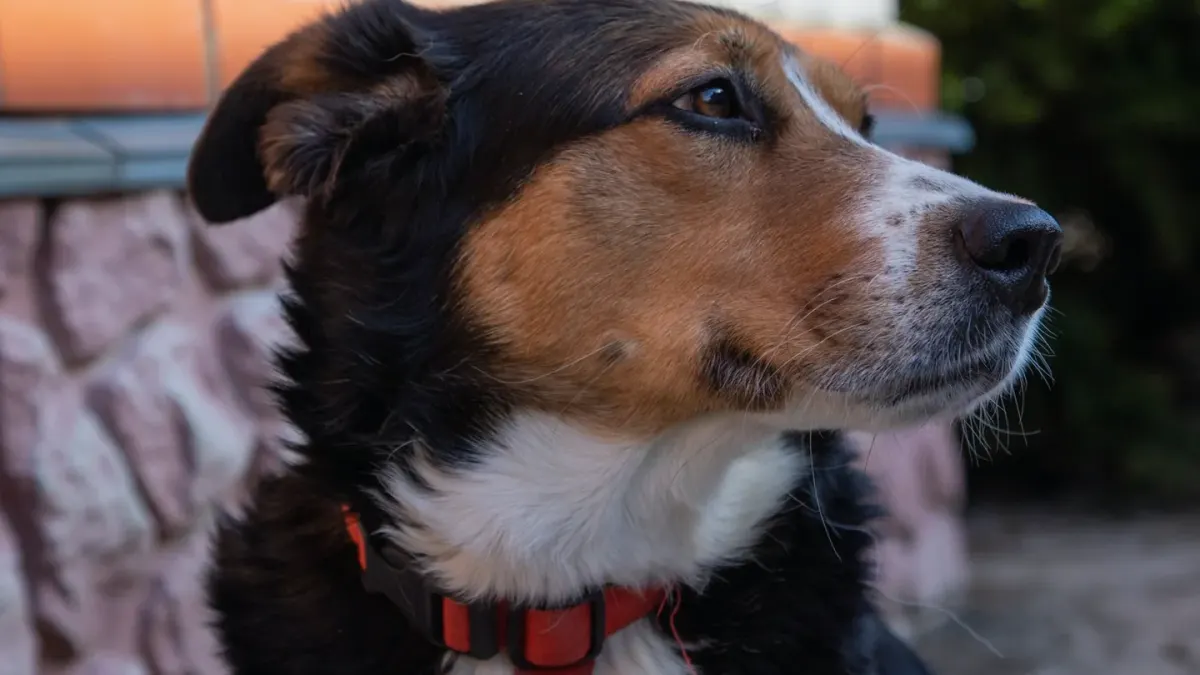
You are halfway around the block and he just quits. No pulling toward a squirrel, no sniffing, just a firm sit in the middle of the sidewalk and a look back at you. I hear this story weekly, and my first job is to reframe it: the sit is communication about load tolerance, not attitude.
A healthy stride depends on comfortable range of motion, stable muscles, and joints that glide without irritation. When any link fatigues or aches, sitting unloads the hips, stifles, elbows, and spine in one motion. In rehab terms, I walk owners through mobility as structure supporting function — bones and cartilage provide the surface, synovial fluid and soft tissue provide the glide, muscle provides the motor.
She was a 7-year-old, 68-pound Labrador who had started sitting at the same corner, about ten minutes from home. Her owner thought she was being stubborn about turning back. On flat ground she trotted normally, but she hesitated on curbs and sat hard after stairs. We timed it: by day 10 of a walking log, the pattern was clear — 8 to 12 minutes of steady walking, then a sit, then a slow restart. That log changed the decision from more training to a mobility exam, weight check, and discussion of joint support to help maintain comfortable movement.
What that mid-walk sit is usually telling you
Start with context, not conclusions. A young dog who flops after five minutes in heat is different from a senior who sits after a hill.
Common, non-emergency reasons include general fatigue or deconditioning, warm weather, an ill-fitting harness, sore paws or a nail issue, fear or overstimulation, and musculoskeletal stiffness that builds with repetitive loading. Dogs with early hip or stifle discomfort often walk normally when fresh, then sit as joint tissues warm and then irritate. Dogs with elbow or shoulder stiffness may shorten the front stride before they sit. Dogs with low back soreness may sit crooked, shift weight, or refuse to climb.
Red flags that move this from monitor to call your veterinarian promptly: sudden non-weight-bearing lameness, crying out, collapse, heavy panting or pale gums, dragging toes, marked swelling, fever, or any sit that follows trauma. Age alone does not explain a new pattern in a 9-year-old dog that walked a mile easily last month.
How joints fatigue during a walk, in plain physiology
Cartilage has no direct blood supply. It relies on cyclic loading to move nutrients and waste through synovial fluid. Early in a walk, gentle motion may help support maintaining normal joint lubrication. With longer loading, especially in a dog carrying extra weight or with roughened cartilage surfaces, that system fatigues and stiffness rises.
That is why I defend one evidence-bounded position: keep a two-week walk log before you buy anything. Note distance, surface, temperature, time to first sit, stiffness after rest, and recovery time. That record guides the exam far better than memory. The strongest counterargument is that owners want to act now with a supplement, and waiting feels passive. I still land on measure-first because joint ingredients are maintenance tools, not walk-extending fixes, and the evidence is strongest for supporting structure over time rather than changing a single walk.
The literature reflects that boundary. Glucosamine and chondroitin are among the most studied joint support ingredients for dogs, yet most canine data speak to structure/function support rather than immediate pain relief. For example, work summarized in the Journal of Veterinary Medical Science found that it can “prevent experimentally induced cartilage degradation in vitro,” which is laboratory cartilage biology, not proof your dog will walk farther tomorrow.
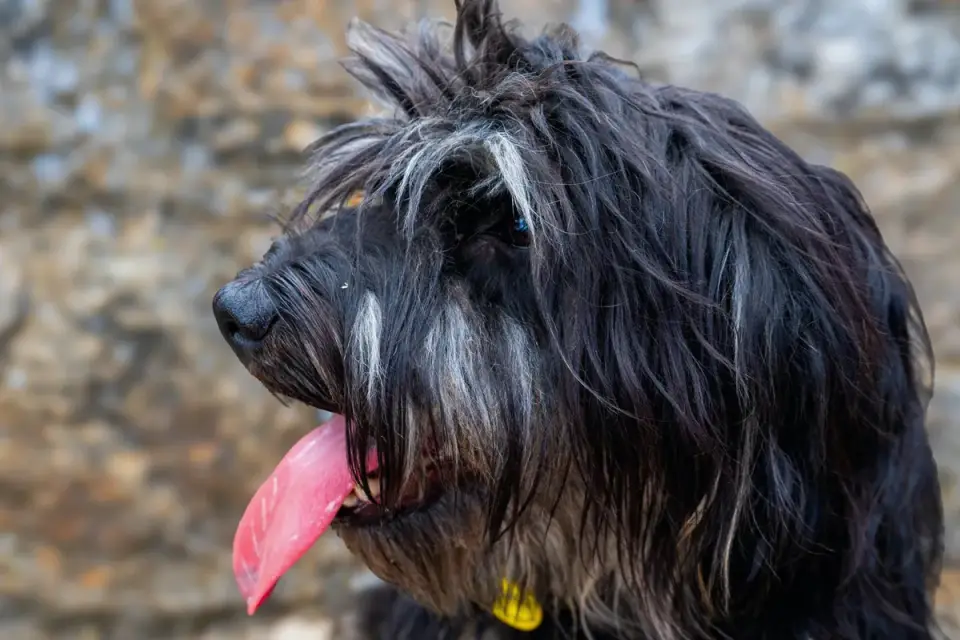
He was a 4-year-old, 42-pound mixed breed, athletic and eager, whose owner had tried the opposite approach — pushing through sits with treats and a shorter leash. For three weeks the sits got earlier, then he began bunny-hopping up two steps at home. The tradeoff was clear on recheck: motivation could override discomfort for half a block, but the compensations showed up later as evening stiffness and a reluctance to jump into the car. Backing distance down by a third, adding warm-up sniff walks, and addressing body condition did more for his restart than any cue change, because the limit had been load, not learning.
Reading the sit like a rehab exam at home
You do not need to diagnose, but you can observe cleanly for your veterinarian.
Watch the sit itself. Does he sit squarely or flop to one hip? Does he need multiple attempts to rise? After sitting, does he stretch repeatedly, lick a joint, or lag behind? Check symmetry: shortened stride on one side, head bob on a front leg, narrow hind stance, or scuffed nails on one paw. Note surface and slope. Many dogs sit earlier on hills, hot asphalt, or slick floors than on grass.
Paws and gear come first. Look between toes for redness or foxtails, check nails and pads for cracks, and test harness fit — you should slide two fingers under straps without chafing at the armpits. Then consider load: total walk length, pace, temperature, and body condition. A 5-minute warm-up of loose-leash sniffing before a brisker pace often reveals whether stiffness eases or builds.
For broader context on reading labels once your vet points toward maintenance support, see our lab-style reads on Best Joint Supplement for Dogs: An Orthopedic Read of the Label Claims and Capsule vs. Chew Longevity Supplement for Dogs: Which Form Actually Wins?.
Where joint nutrition fits — and where it thins out
Once medical causes are ruled out, nutrition and weight management may help support maintaining normal joint structure and everyday mobility. That phrasing matters. I keep to may help support maintaining rather than fixes because cartilage turnover is slow and individual response varies.
Chondroitin is studied in this context for its role around joint fluid and cartilage matrix. One peer-reviewed report noted it “supports healthy synovial fluid homeostasis” in work published in Frontiers in Veterinary Science. In plain terms, that points to the environment cartilage lives in, not a guarantee of longer walks.
Green-lipped mussel is another commonly used marine ingredient because it contains omega-3s and glycosaminoglycans studied for joint support. The direct canine evidence remains limited, and much mechanistic work is preclinical. In a rodent model, researchers reported that “BMO, GMO, and KO all alleviated paw swelling in rats and reduced serum levels of rheumatoid factor (RF), anti-cyclic citrullinated peptide (anti-CCP) antibody, and pro-inflammatory cytokines such as TNF-α and IL-17” according to Nutrients. That finding does not transfer directly to dogs sitting mid-walk, and I cite it only to show where the biology is being explored.
Practical take: prioritize lean body condition, consistent moderate exercise over weekend sprints, traction and ramps where needed, and any supplement plan your veterinarian approves for steady daily use. Re-check the same corner and the same hill. Improvement looks like a later first sit, faster restart, and less post-rest stiffness — not a sudden return to endless miles. Related comparisons that use the same evidence-first rubric include Avocado-Soy Unsaponifiables vs Glucosamine for Dog Cartilage and Chew vs. Powder Longevity Supplements for Dogs: Which One Actually Absorbs Better?.
She was an 11-year-old, 24-pound terrier mix who broke the usual pattern entirely. She only sat on one specific stretch of noisy road, never on trails, and by week two her owner noticed the trigger was a rumbling truck gate, not distance. Her joints were stiff in the mornings but her mid-walk sits vanished when they changed routes. The edge case reminded me to hold two tracks at once: support aging joints for general comfort and mobility, and still respect fear, hearing loss, or cognitive change as separate reasons a senior dog plants herself mid-walk.
What would change if you logged the next six walks — time to first sit, surface, and recovery — and brought that page to your exam?
Frequently asked questions
Why does my dog stop and sit down in the middle of a walk all of a sudden?
Look for a new trigger — sore paw, heat, longer distance, harness rub, fear event, or joint stiffness that builds with loading. If sits repeat for more than a few days, limp appears, or rising is hard, schedule a veterinary exam and bring a short walk log.
Should I pull my dog up or let them sit?
Let them sit. Sitting unloads sore tissues. Offer water and shade, check paws and gear, then shorten the route home. Repeated pulling through sits can worsen compensation and evening stiffness.
Sources
- Cartilage degradation in vitro study — Journal of Veterinary Medical Science
- Synovial fluid homeostasis study — Frontiers in Veterinary Science
- Marine oil paw swelling rat model — Nutrients