On this page
She was waiting by the back bumper with her leash in her teeth, eager as always, but when her family lifted the hatch after the forty-minute drive to the trailhead, their nine-year-old, 68-pound Labrador mix did not hop out. She stood, shifted her weight forward, took one careful step with her hind legs together, and then paused. Her owner knelt beside her and whispered that she looked sore, and wondered if the ride itself had hurt her.
That parking-lot pause is familiar to many of us who care for older dogs. The dog was joyful going in, quiet during the ride, and then stiff coming out, as if the car had taken something from her joints. It is a tender moment to witness, and it raises a fair question about why is my dog stiff after riding in the car when she seemed fine before you left.
Why a quiet ride can leave joints feeling rusty
A car ride asks a dog to do something dogs do poorly, which is to hold still in a cramped, vibrating space while bracing against turns and stops. Young joints forgive that easily. Aging joints, with less cushioning and less easy glide, often do not.
During motion the muscles work isometrically to stabilize, then circulation to the limbs slows while the dog lies curled or wedged against a seat. Synovial fluid, which helps bathe and nourish the joint surfaces, moves best with gentle loading and range of motion. Long stillness means that fluid is not being circulated the way it is on a walk. One line of joint research describes an ingredient effect that supports healthy synovial fluid homeostasis, which is a useful reminder that comfort after rest depends in part on that quiet fluid balance, as reported in Frontiers in Veterinary Science.
That same stillness explains why stiffness is often worst in the first minute out of the car and then eases. The joint tissues need a few steps to rewarm.
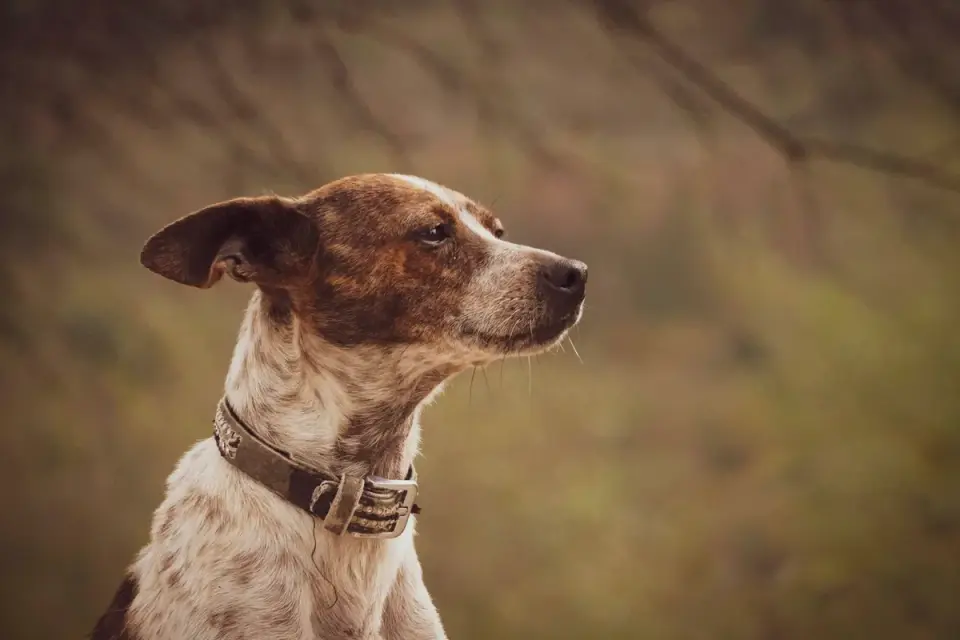
The surface matters too. A slick cargo liner, a sloped seat, or a crate that is just slightly too small forces an older dog to splay or hunch for the whole trip. Add cold air conditioning blowing on those held muscles, and the dog steps out feeling tight through the hips, lower back, and shoulders.
The stiffness is information, not just age
A family I supported through in-home comfort care drove thirty minutes each way to visit grandchildren, with their twelve-year-old, 54-pound husky mix folded on a back seat because that was where she felt safest. By day 10 of that holiday routine, she began needing help to stand after each ride and would stand with her head low for several minutes. They worried they had caused a new injury, and they weighed whether to stop the visits she otherwise loved.
We looked together at the pattern instead of the single ride. She was not limping on walks, she could still rise from her bed with only a soft groan, and the trouble clustered around car days. The tradeoff was not that love for family visits was wrong, but that the posture she chose to feel safe was costing her comfort afterward. That distinction changed what we tried next.
This is where I encourage families to track gently. Note how long the ride was, where the dog rode, whether it was cold, how long the stiffness lasted, and whether it faded with slow walking. Stiffness that lifts within five to ten minutes of easy movement points more toward postural tightness and age-related joint sensitivity. Stiffness that persists for hours, a new head tilt or vomiting that suggests motion sickness, panting that does not settle, or a sudden inability to bear weight deserves a prompt veterinary exam rather than home comfort measures.
For context on longer-term joint support, families often ask how daily nutrition fits beside these travel tweaks. A lab-style read like Best Joint Supplement for Dogs: An Orthopedic Read of the Label Claims can help separate structure and function support from promises, and Avocado-Soy Unsaponifiables vs Glucosamine for Dog Cartilage walks through what different ingredients are thought to do at the cartilage level.
What the joint literature actually says, and where it thins
I wish the science gave us a simple preventive for car-ride stiffness. It does not, andmeeting families where they are means saying that plainly while still offering what may help support comfort.
Glucosamine and chondroitin are among the most studied joint support ingredients, and laboratory work continues to explore how they interact with cartilage biology. In one in vitro model, glucosamine was found to prevent experimentally induced cartilage degradation in vitro, as described in the Journal of Veterinary Medical Science. That is early, controlled-dish evidence, not proof that a chew prevents post-ride stiffness in your dog.
Green-lipped mussel is another ingredient families ask about because it contains omega-3 fatty acids and glycosaminoglycans studied for joint support. Much of the mechanistic work remains preclinical. In a rat model of joint swelling, researchers reported that BMO, GMO, and KO all alleviated paw swelling in rats and reduced serum levels of rheumatoid factor (RF), anti-cyclic citrullinated peptide (anti-CCP) antibody, and pro-inflammatory cytokines such as TNF-α and IL-17, according to Nutrients. That finding is interesting for how these marine oils are studied, but rats are not senior Labradors unfolding from a back seat.
The evidence is strongest that regular gentle movement, healthy weight, and a supportive resting surface help maintain mobility. The evidence is thinner that any single ingredient prevents that first stiff minute after a ride. The evidence is mixed on how quickly dogs respond to nutritional joint support, which is why I frame such products as part of a comfort routine rather than a fix for travel days alone. Form questions come up often, and Capsule vs. Chew Longevity Supplement for Dogs: Which Form Actually Wins? is a helpful primer on why consistency matters more than format for many dogs.
Comfort after travel is usually built from small decisions.
A gentler ride plan for the dog who stiffens afterward
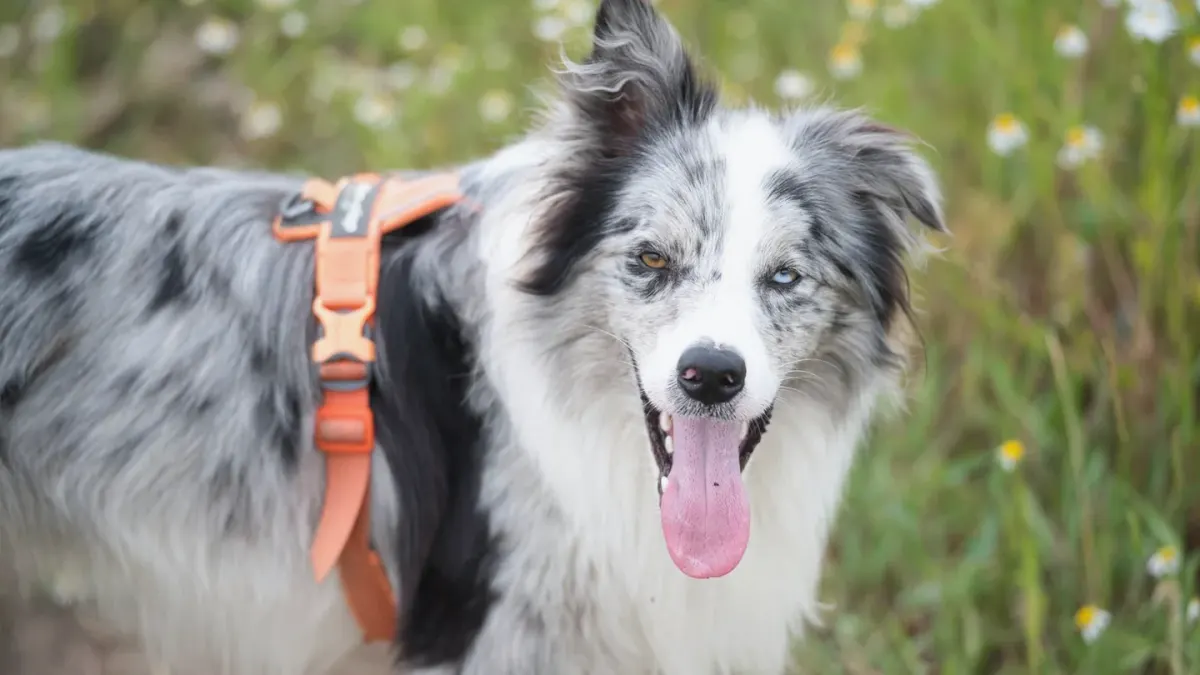
A retired couple I visited had stopped taking their eleven-year-old, 42-pound border collie mix on the twenty-five-minute drive to their daughter’s house because he cried when lifted down. Three weeks in without visits, he was restless at home and they felt guilty. The edge case was not his hips alone but his anxiety, because he panted and braced the entire ride when he could not see them, which left his muscles tighter than the joint changes alone would explain.
We moved him to the back seat with a non-slip mat, a familiar blanket, and his head near a cracked window for air, with one person sitting beside him. We added a short leash walk before loading, a mid-trip stretch stop on longer drives, and a slow three-minute sniff walk after unloading before any stairs. By the second weekend, he still rose slowly, but he walked it off without crying and settled faster.
That sequence reflects my broader position. For the dog who is otherwise well but stiff after riding, change the ride ergonomics and the warm-up before reaching for anything new. My counterargument to myself is that some families prefer to start a joint chew first because it feels proactive. I understand that urge, and steady nutritional support may help support comfort over time for some dogs, yet it will not correct a slick surface, a cramped crate, or a long cold hold that recreates the same strain every trip.
Use a flat, grippy surface at hip height or lower, keep the space warm without direct cold airflow, offer water and a brief potty walk before loading, plan a pause every hour or so on long drives, and allow that slow unloading walk. Keep weight lean with your veterinarian’s guidance, keep daily walks consistent rather than weekend-long, and save detailed notes for your next visit if stiffness lingers.
If your girl still pauses at the bumper, stay with her in that pause.
Frequently asked questions
Why is my dog stiff after riding in the car but fine on walks?
Rides hold joints still in one braced posture with vibration and often a slick surface, so synovial circulation and muscle blood flow slow. A short slow walk afterward often eases that temporary tightness, while persistent limping needs a veterinary exam.
How long should post-car stiffness last before I worry?
Mild tightness that fades within five to ten minutes of gentle walking often reflects postural stiffness. Stiffness lasting hours, crying, inability to bear weight, vomiting, or behavior changes warrant prompt veterinary attention.
Does where my dog rides change stiffness?
Yes. Flat, non-slip footing at a comfortable height, enough room to shift, warmth without cold air blowing directly, and a mid-trip movement break often reduce that first stiff minute out of the car.
Sources
- Chondroitin supports synovial homeostasis — Frontiers in Veterinary Science
- Glucosamine prevents cartilage degradation in vitro — Journal of Veterinary Medical Science
- Marine oils alleviate paw swelling in rats — Nutrients