Yes, cucumbers are safe for dogs, and thin slices make an ideal low-calorie crunch for dogs watching weight.

On this page
Yes, cucumbers are safe for most dogs when they are served plain, washed, and cut small enough that they cannot be swallowed whole.
From a gut perspective, I like cucumber for one reason: it delivers crunch and volume with very little energy. It is mostly water with a small amount of mixed fiber in flesh and peel, as shown by the USDA nutrient database for raw cucumber. That profile may help support satiety during weight management without displacing balanced meals, which is how I think about it in TCVM food therapy — light, cooling, moistening foods to balance a heavy, damp-accumulating pattern.
Cucumber is not listed as a toxic-plant concern in the ASPCA Animal Poison Control resources for pets, and plain flesh and peel do not contain onion-type oxidants or grape-type nephrotoxins discussed in guides like Can Dogs Eat Onions? What the Blood Work Actually Shows and Can Dogs Eat Apples? What the Gut Microbiome Actually Does With the Fiber. That does not make it nutritious in the vitamin sense. It makes it neutral and hydrating.
Why cucumber suits dogs watching weight
Weight gain in dogs is usually a portion problem, not a single-treat problem. Swapping a 40-calorie biscuit for five thin cucumber coins changes the math of the day while preserving the ritual of crunching.
The mechanism is simple. Water plus insoluble cellulose adds gastric volume and chewing time. Soluble pectin fragments are fermented slowly in the colon, where microbes may help support short-chain fatty acid production and normal motility. Cucumber will not rebalance a microbiome on its own, but as part of a fiber-diverse diet it adds bulk without adding fat. That pairing idea is why many owners look to Are Single-Ingredient Dog Treats Better? What the Gut Evidence Supports when they simplify treats.
Leroy, a 4-year-old neutered male Chihuahua owned by Luis in Temecula, California, is a typical example. He was begging during family dinner and gaining slowly. We kept his complete dinner exactly weighed, then replaced table scraps with cucumber coins for training reps. The observable change was less begging, not magic weight loss — consistency did the work.
How cucumber fiber behaves in the gut
Think of cucumber as hydration plus structure. The high water content softens stool bulk, while peel cellulose resists digestion and adds form. In small amounts this combination may help support regular transit and normal stool consistency.
Too much at once can have the opposite effect. A sudden load of raw fiber and water may lead to gas, loose stool, or loud borborygmi in sensitive dogs. That is fermentation and transit speed, not toxicity. Start with one or two bite-size pieces and watch the next 12 to 24 hours, the same cautious approach I describe for holiday plates in What Thanksgiving Foods Are Safe for Dogs? A Vet Neurologist’s Plate-by-Plate Guide.
Pickled cucumbers, cucumber salad with onion or garlic, creamy dip, and heavy salt do not count. The risk there is sodium, Allium ingredients, and fat, not cucumber itself.
How to cut and serve cucumber safely
Choking and gulping are the real hazards, especially for small breeds and enthusiastic eaters.
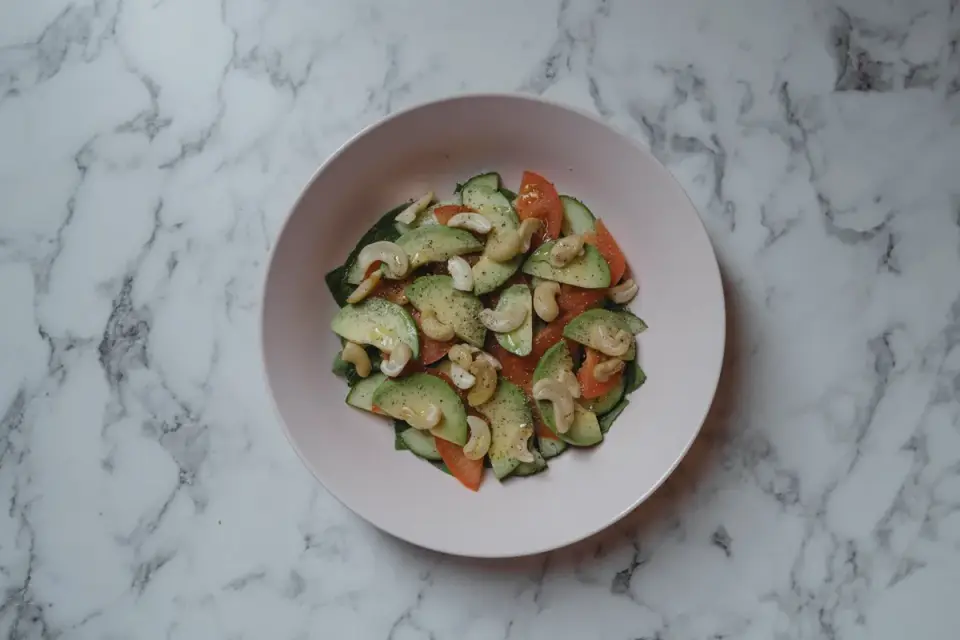
Wash well, slice thin, then cut into dog-bite pieces. For a Chihuahua or toy breed, think pea- to blueberry-size. For a Labrador, think coin halves, never a whole spear that can lodge. Peel can be left on for fiber if your dog chews well, or peeled thin for sensitive stomachs. Serve raw and plain at room temperature or lightly chilled.
A practical portion frame:
- Toy dogs: 1 to 3 small pieces as a taste, not a meal
- Medium dogs: a few thin coins, roughly a tablespoon or two
- Large dogs: a small handful of thin pieces
Keep treats, including cucumber, to under 10% of daily calories. If your dog needs to lose weight, weigh meals, log extras, and use cucumber as a swap rather than an add-on.
Frozen cucumber is too hard for many teeth. Grated cucumber mixed into kibble can work for fast gulpers because it cannot be swallowed in a chunk.
When to skip cucumber and call your veterinarian
Skip cucumber if your dog vomits after fibrous vegetables, has chronic kidney disease with potassium restriction, is on a strict elimination diet, or has difficulty chewing and swallowing. Puppies can taste a tiny piece, but their growth diet should stay tightly balanced.
Call your veterinarian for repeated vomiting, bloody diarrhea, abdominal pain, bloat, lethargy, or choking signs such as gagging, pawing at the mouth, drooling, or labored breathing. If cucumber was served with onion, garlic, grapes, xylitol dip, or a large amount of pickle brine, call sooner and bring the label.
Stored cut cucumber sours quickly. Discard slimy or sour-smelling pieces, and never feed moldy produce.
Frequently asked questions
Can dogs eat cucumber peel and seeds?
Yes, plain peel and small seeds are generally tolerated in small, well-chewed pieces. Peel adds insoluble fiber, so keep portions small and peel thin or remove it for sensitive dogs.
How much cucumber can a dog have per day?
Think of it as a low-calorie topper, not a meal. A few bite-size pieces for small dogs and a small handful of thin pieces for large dogs, kept within 10% of daily calories.
Is cucumber good for dogs that need to lose weight?
It can help as a swap for higher-calorie biscuits because it adds crunch and water with little energy. Weigh meals, keep the base diet complete, and use cucumber to replace rather than add calories.