Peanut butter works best as a pea-sized pill pocket or training lure, not a gut food, so keep portions tiny.
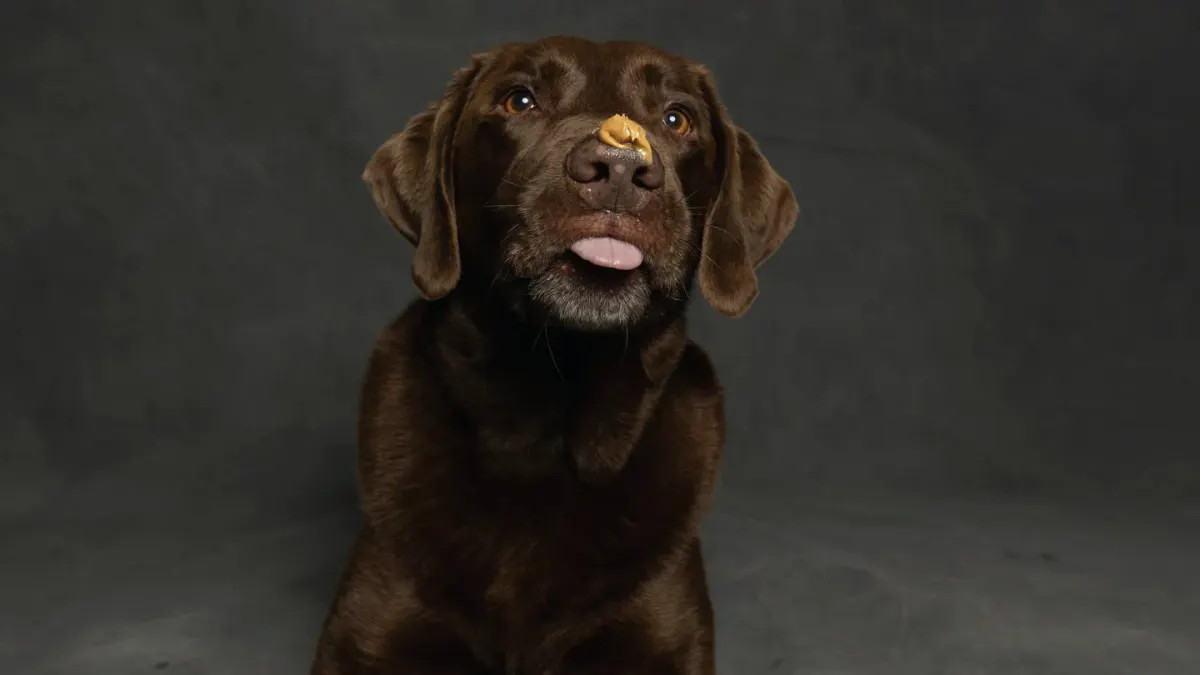
Peanut butter earns its place in the treat jar because dogs love it and it sticks to pills, lick mats, and training moments, not because it feeds the gut in any special way. From a whole-patient view, think of it as a delivery vehicle and a high-value lure: useful in tiny amounts, heavy for its size, and best chosen plain.
What peanut butter offers and what it costs the gut
Plain peanuts provide protein, niacin, vitamin E, magnesium, and mostly unsaturated fats, a profile you can confirm in the U.S. Department of Agriculture FoodData Central nutrient tables. Ground into butter, that nutrition becomes energy-dense, roughly half fat by weight, with very little fiber or fermentable material that colonic microbes would use.
That matters for how it is thought to work. Fat slows gastric emptying and calls for bile and pancreatic lipase to do the heavy lifting, so a large dab can mean soft stool, gas, or a skipped meal in a small or sensitive dog. There is no solid microbiome evidence that peanut butter increases beneficial bacteria or improves stool quality, so any digestive benefit talk should stay modest.
In TCVM food-therapy terms, peanut is generally considered warming and moistening, which fits its rich, cloying nature. A warming, lubricating food may help support normal stool passage in a dog that tends dry and constipated, but the same richness can dampen digestion in a dog that already trends soft, gassy, or phlegmy. Mechanism first, promise second.
How to use it without upsetting digestion
Use peanut butter for what it does well: hiding a supplement, coating a pill, or rewarding a recall. Choose creamy, plain peanut butter with peanuts and salt as the only ingredients when possible, and read the label every time.
The one non-negotiable is sweetener. If you see xylitol, birch sugar, or an unfamiliar sugar alcohol on the label, do not buy it for the dog bowl.
Keep the dose boringly small. For most healthy adult dogs, a pea-sized smear for pilling or a thin teaspoon spread on a lick mat is enough, counted inside the daily treat allowance of under 10% of calories. Small breeds and weight-management cases should stay at the lower end, and peanut butter should not become a daily fiber plan. If you want fermentable fiber for the gut, look instead to foods discussed in Can Dogs Eat Apples? What the Gut Microbiome Actually Does With the Fiber or to single-ingredient options framed in Are Single-Ingredient Dog Treats Better? What the Gut Evidence Supports.
Introduce any new extra slowly and watch the next 24 hours: appetite, thirst, stool form, and vomiting. Stop and call your veterinarian for repeated vomiting, belly pain, restlessness, or bloody diarrhea, especially after a fatty indiscretion.
When to skip it entirely
Skip peanut butter for dogs with pancreatitis history, uncontrolled hyperlipidemia, peanut allergy, or a need for strict calorie control, and for any dog on a novel elimination diet where an extra protein can blur the trial. Puppies with unsettled stomachs do not need a rich lure either; steady meals matter more at that stage, as outlined in A Puppy Feeding Schedule by Age: What the Gut Is Actually Doing at Each Stage.
Also skip crunchy, salted, honey-roasted, or flavored jars with added oils, cocoa, raisins, macadamia, or heavy salt. Dogs do not need the crunch for teeth, and add-ins raise the risk without adding gut value. If fat is already a concern in your household, the same load-versus-benefit logic in Can Dogs Eat Avocado Safely? What the Fat Load Means for Digestion applies here: small, infrequent, and observant beats generous.
My read for the bowl: keep a plain jar for pilling and training, use dots rather than spoonfuls, and let true gut support come from balanced diet, appropriate fiber, fresh water, and movement. Peanut butter may help support cooperation and comfort around care, which counts for the nervous system too, but it is not a prebiotic and not a digestive tonic.
Frequently asked questions
How much peanut butter can I give my dog?
For most healthy adult dogs, keep it to a pea-sized dab for pills or up to a teaspoon as an occasional lure, counted within 10% of daily calories. Smaller dogs need less.
Is xylitol-free peanut butter always safe?
Xylitol-free and plain is safer, but it is still high in fat. Avoid added oils, cocoa, raisins, macadamia, and heavy salt, and skip it for dogs with pancreatitis or fat intolerance.