You can feed your dog boiled chicken for a few bland-diet days, but not as every-day nutrition.
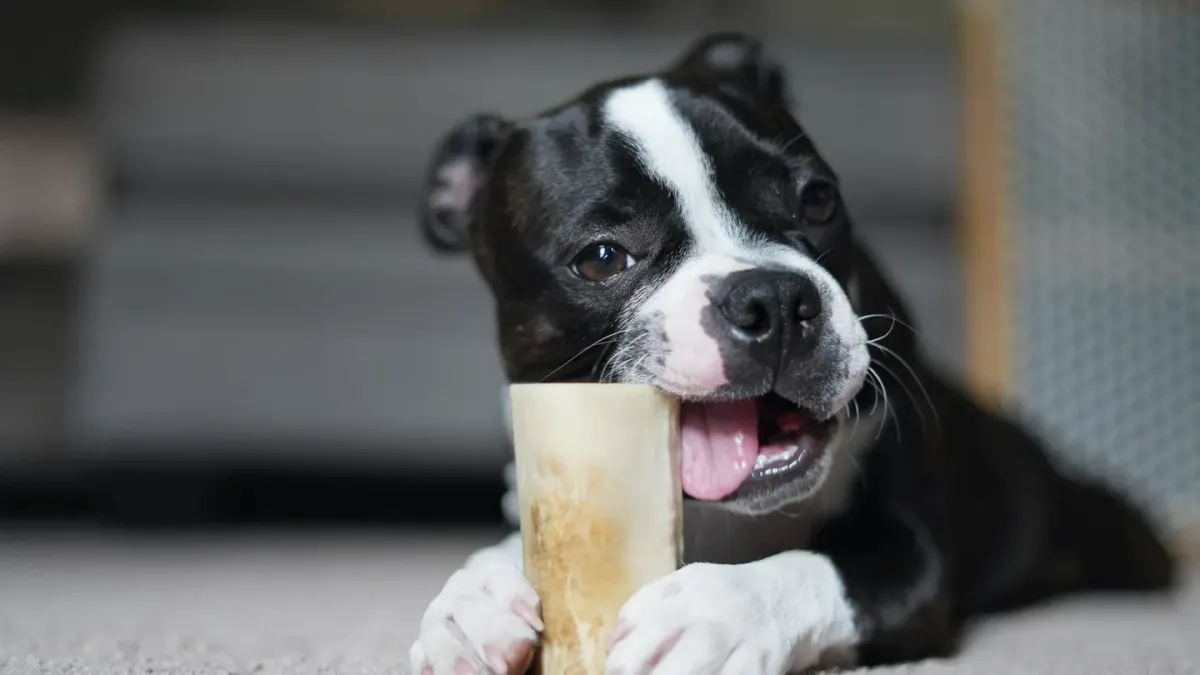
Jordan in Killeen, Texas started cooking for Lukas, his 5-year-old intact male terrier mix, after a weekend of loose stools. Plain boiled chicken breast worked fast. By day three the stools looked firmer and the 38-pound dog was waiting at the counter for more. Jordan began to wonder if he could just keep feeding it every day.
Check this before chicken becomes the diet.
- Short window only: plain boiled chicken fits 3 to 5 days of bland feeding, not months as the whole diet.
- Protein is not complete: muscle meat alone lacks calcium, essential fats, fiber, and micronutrients dogs need every day.
- Gut needs more than meat: without fermentable fiber and dietary variety, microbial support stays narrow even when stool looks firm.
- Keep it plain: boneless skinless breast cooked in water with no bones, no skin, and no onion or garlic seasoning.
Why the bland bowl works for 3 to 5 days
Boiled chicken breast is lean, soft, low in fat, and easy to portion. That combination is thought to work by reducing the fat and connective tissue load on the upper gut while keeping intake predictable during recovery. In TCVM food therapy terms, chicken is considered warming and easy to digest, which lines up with its modern bland-diet role.
I come at this as a neurologist with training in TCVM food therapy, not as a board-certified nutritionist. My focus stays anchored to how a food is thought to support function rather than what it might cure. Chicken may help support normal digestion for a few days because it is simple to process, not because it supplies complete nutrition.
Vets often pair it with plain white rice for the same reason during a short reset. Once vomiting, lethargy, bloody stool, weight loss, or loss of appetite appear, or when the patient is a puppy, a senior, or a dog with pancreatitis, kidney disease, or food allergy, the clinic should guide next steps rather than extending chicken.

What stays missing when chicken stays
A dog can look bright for a week on chicken alone. Deficiency takes longer to show.
The Merck Veterinary Manual outlines why dogs need a balanced profile of protein, fat, minerals, and vitamins rather than protein alone. Chicken breast supplies digestible protein but very little calcium, an unbalanced calcium-to-phosphorus ratio, limited essential fatty acids, almost no fiber, and gaps in vitamins A, D, and E plus zinc, iron, and iodine.
Fat from skin, thighs, or drippings adds calories without fixing those gaps and may loosen stool again. That is the same reason fatty extras such as ham and rich avocado tend to trouble sensitive stomachs.
Chicken alone does not build gut resilience.
How to keep chicken in a supporting role
Think of boiled chicken as a short bland base or a small topper, not the recipe. For a healthy adult dog, keep extras including chicken to about 10 percent or less of daily calories during normal feeding and use a food labeled complete and balanced as the base. The U.S. Food and Drug Administration explains that complete and balanced pet food is formulated to meet nutrient profiles when fed as directed, which plain meat cannot match on its own.
Fiber deserves a place in that base. Pumpkin fiber is a gentle, natural source of both soluble and insoluble fiber, and small amounts of cooked pumpkin, plain cooked vegetables, or a complete food that already contains fiber may help support normal stool form and regular transit. Keep changes slow and watch tolerance for gas, volume, and consistency over 5 to 7 days.
Keep seasoning out of the pot. Onion and garlic powders are common in human cooking and unsafe for dogs, so boil chicken in plain water with no alliums. The blood changes behind onion risk are one more reason to keep the recipe boring.
A calm sequence looks like this. Feed plain boneless skinless breast plus rice only as directed by your veterinarian for a few days. Mix back toward the regular complete food over 3 to 5 days. If soft stool lasts beyond that window, call rather than stretching chicken into another week. Forward-looking bowls keep chicken in its lane and let fiber, fats, and minerals do their jobs alongside it.