Two tablespoons of butter usually means loose stool for a day, not poisoning, unless your dog is tiny or fat-sensitive.
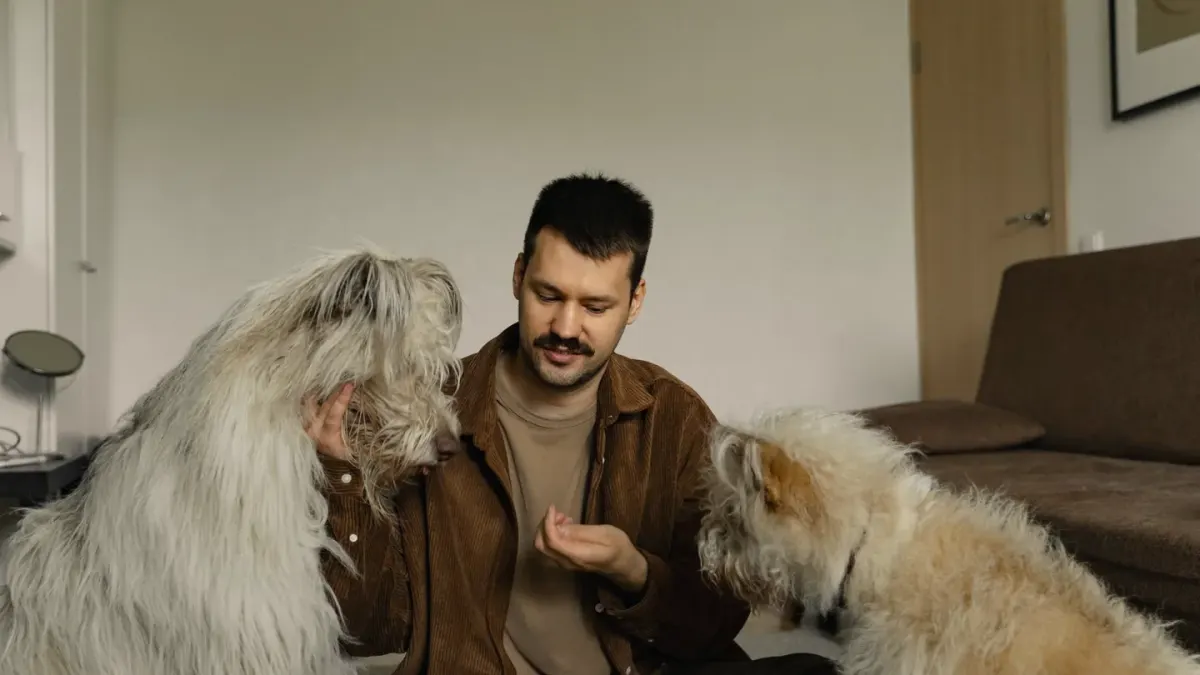
Tamara set a warm corn dish on the counter in Tallahassee, turned to grab salt, and her 7-year-old Cavalier King Charles Spaniel Lucio licked the melted butter pool clean — close to two tablespoons gone in under a minute.
Moments like that spike the heart rate, then settle into a familiar question: was that poison, or just rich food? For plain butter, the answer leans toward the second. The gut notices the fat load before anything else.
Why two tablespoons lands hard on the gut
Butter is about 80% milk fat with very little lactose, salt, and water. It carries no xylitol, no onion or garlic, and no chocolate compounds, so classic toxicity is not the concern here.
The load is the concern. Two tablespoons is roughly 200 calories and 23 grams of fat in one gulp. For a 15-pound Cavalier like Lucio, that can equal a third or more of a day’s calories arriving with almost no fiber to slow it.
Fat slows gastric emptying, triggers cholecystokinin and bile release, and pulls water into the small intestine when it overwhelms lipase capacity. In plain-spoken lab terms: loose stool, gas, gurgles, and sometimes a skipped next meal while the microbiome steadies itself.
That mechanism is why a high fat load is discussed alongside foods like avocado in Can Dogs Eat Avocado Safely? What the Fat Load Means for Digestion — the issue is dose and digestive context, not a single toxin.
What the next 12 to 48 hours often look like
Vets often see the same pattern after a butter grab: nothing for 2 to 6 hours, then soft stool or frank diarrhea, some flatulence, and a dog that still wants to play.
Appetite may dip at the next meal. A little nausea, one episode of vomiting, or belly rumbling fits that fat-overload picture. Most healthy adult dogs reset within a day with bland routine and water access.
Watch the stool the way you would after any rich table food, as described in Can Dogs Eat Apples? What the Gut Microbiome Actually Does With the Fiber — consistency, frequency, and whether form returns matters more than one bad pile.
It usually passes.
When fat in one sitting stops being simple
Pancreatitis is the outlier owners fear, and it deserves clear edges. The Merck Veterinary Manual describes pancreatitis in small animals as inflammation linked to factors including dietary indiscretion and high-fat meals, with vomiting, abdominal pain, lethargy, and loss of appetite as common signs.
Risk climbs for small dogs, dogs with prior pancreatitis, Cavaliers and other fat-sensitive breeds, seniors, dogs on high-fat home diets, and any dog that ate butter plus bacon grease, gravy, or a stick wrapper. VCA Hospitals notes a similar clinical picture of repeated vomiting, hunched posture, belly tenderness, fever, and dehydration that warrants prompt care.
Call your veterinarian now for repeated vomiting, bloody stool or vomit, severe lethargy, a painful or bloated belly, panting and restlessness, or no improvement by 24 hours. Puppies, toy breeds, and dogs with kidney disease, diabetes, or prior gut surgery should have a lower threshold for a call.
How to steady the gut at home
Skip the next rich treat and go back to the regular diet in a slightly smaller portion once nausea fades. Water stays down and available. No need to fast a healthy adult dog all day unless your veterinarian advises it.
Keep walks short and close to home for 24 hours. Note count and form of stools over two days — one hard number beats memory when you decide whether to call.
Plain canned pumpkin fiber is often used as gentle soluble and insoluble fiber support during soft-stool recovery, but keep the amount small and stop if gas worsens. For perspective on choosing simple ingredient options during recovery, Are Single-Ingredient Dog Treats Better? What the Gut Evidence Supports is a useful check.
From both a neurology and TCVM food-therapy view, I think of this as dampness after excess greasy food: the center feels heavy and slow. Warm, simple, easy foods may help support normal digestion while the system clears, and acupuncture thinking points the same way — support movement and settle, not force a cure.
Do not give anti-diarrhea drugs, antacids, or leftover pancreatitis medication on your own. Butter wrappers, foil, and corn cobs are separate hazards — if plastic or cob was swallowed, say so on the call.
My read for this exact dose
For a healthy medium or large dog, two tablespoons of plain butter usually means watchful waiting and a messy yard day. For a tiny dog, a senior like 11-year-old Snuggles with less reserve, or any dog with a history of pancreatitis, that same amount earns a same-day phone call even if the dog looks fine.
Reach for both the imaging study and the acupuncture needle here: respect the lab pattern of fat-triggered inflammation, then support the whole gut with rest, routine, and bland simplicity.
If stool firms up, appetite returns, and energy holds by day two, you have your answer. If pain, vomiting, or lethargy builds instead, let the exam decide what comes next.
Frequently asked questions
Is 2 tablespoons of butter toxic to dogs?
Plain butter has no xylitol or other classic toxin, so toxicity is unlikely. Expect soft stool, gas, or brief vomiting from the fat load, and call your vet for repeated vomiting, belly pain, bloody stool, or lethargy.
How long will diarrhea last after my dog ate butter?
Most healthy adult dogs have loose stool for 12 to 48 hours. If diarrhea lasts past 24 to 48 hours, worsens, contains blood, or comes with vomiting and pain, get veterinary care.