On this page
The crate door opens in a new living room, and by the second night the stool has turned to pudding.
Consider a two-year-old, 48-pound mixed-breed hound brought home on a Saturday, bright and hungry but panting through the first night. By Sunday morning his stool slides from formed to soft-serve, then to a puddle by Monday, though he still drinks and wags at the door. The decision facing his new family is concrete: hold the shelter diet steady, add no rich treats or sudden kibble swaps, and track appetite, energy, and stool shape through day three. When the stool firms to a soft log by day three, that dated change tells more than any supplement label.
That early looseness is common because arrival compresses several gut stressors into a short window.
Arrival reshapes the gut before routine settles
Transport, handling, noise, disrupted sleep, new water, new food, deworming, and exposure to unfamiliar microbes arrive together. Appetite may swing from ravenous to tentative. Thirst, panting, drooling, yawning, lip-licking, pacing, and night restlessness often accompany the first stools. As described by the Merck Veterinary Manual, diarrhea in small animals reflects altered motility, secretion, permeability, or digestion, and several of those pathways can shift at once during rehoming.
Shelter and foster diets also differ from home diets in fiber blend, fat level, and protein source. Even a small change can alter colonic water handling for a few days. Guidance on abrupt diet transitions and travel-related looseness explains a similar pattern in dogs with loose stool after switching foods for a trip, where timing and consistency matter more than finding a perfect formula on day one.
How stress hormones, motility, and microbes interact
The mechanism begins with the brain-gut axis. Novelty and social separation raise sympathetic tone and corticotropin-releasing factor signaling, which can speed transit in some dogs and alter mucus secretion. Faster transit leaves less time for water absorption in the colon. Stress-related shifts in mucus and permeability may change the niche where resident microbes live, while altered motility changes substrate delivery to those microbes.
Layered onto that response is microbial change. A new environment brings new surfaces, people, animals, soil, and food residues. Fermentation patterns shift. Short-chain fatty acid production, bile-acid handling, and gas formation may fluctuate for several days. The result is often soft, urgent, mucus-coated stool without vomiting or fever.
The literature here needs plain grading. Evidence is strong that acute stress and abrupt diet change can loosen stool through motility and osmotic effects. Evidence is mixed on which probiotic strains reliably steady stool across different dogs, doses, and diets, a point reviewed for human and animal use by the National Institutes of Health Office of Dietary Supplements. Evidence is thin on using a single microbiome test to predict which newly adopted dog will respond to a given intervention. One canine study noted that “Diversity metrics did not distinguish non-responders from responders.” (DOI.3389/fvets.2025.1720932), reported in Frontiers in Veterinary Science, which cautions against overreading a diversity score in the first week.
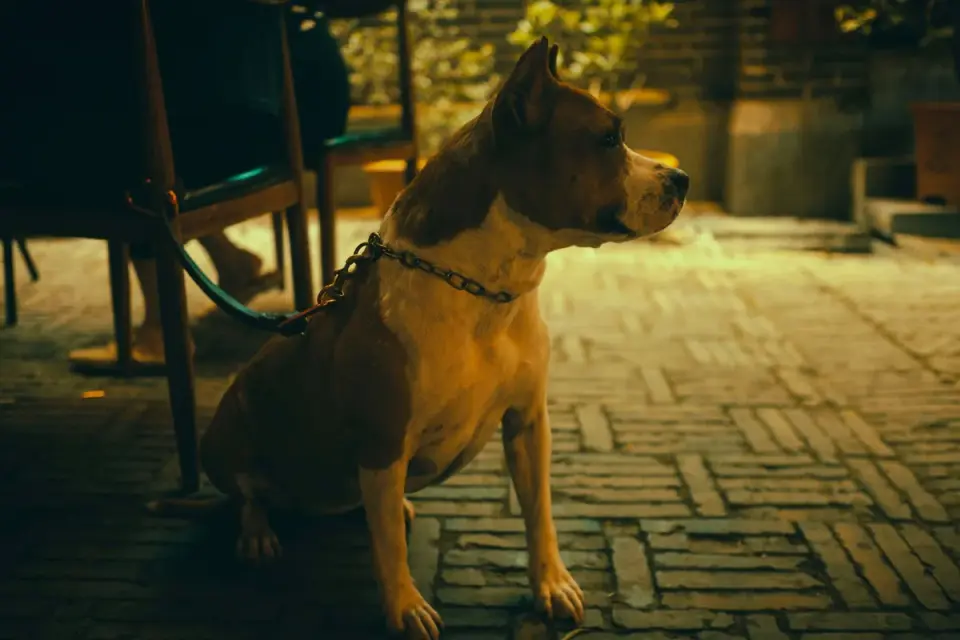
Consider a four-year-old, 22-pound terrier mix whose adopters, meaning well, try to fix loose stool by changing foods. On day two they swap to a grain-free kibble, on day four they add canned topper and cheese, then on day six they fast her and offer chicken broth alone. By day 10 the stool is still liquid in the morning and contains mucus, and she skips breakfast twice. The tradeoff is now clear: each rapid change resets adaptation and removes the baseline needed to judge progress. A gut that might have steadied with consistency stays unsettled because variety kept arriving faster than microbes could adjust.
That pace matters.
Frequent swaps remove the ability to link cause and effect. A stable base diet, measured meals, quiet feeding location, predictable walks, and sleep protection may help support normal transit and microbial steadiness while the dog learns the household rhythm.
When looseness is settling and when it needs a veterinarian
Normal settling usually trends toward improvement within three to five days: urgency lessens, mucus thins, shape returns in stages from puddle to soft log to formed stool, and energy, thirst, and appetite remain reasonably intact. Mild, short-lived soft stool in a bright, hydrated, eating dog can often be monitored closely at home with diet consistency and veterinary phone guidance.
A different pattern calls for prompt veterinary assessment. Seek care sooner for bloody stool, repeated vomiting, lethargy, refusal to drink, abdominal pain, fever, rapid weight loss, dehydration signs such as tacky gums and prolonged skin tent, or diarrhea that remains watery beyond 48 to 72 hours. Puppies, seniors, and small breeds dehydrate faster. Recent shelter deworming does not rule out parasites, and stress can unmask infections that were incubating before adoption.
For context on gentle home fluids and feeding during recovery, owners often ask about bland options such as rice water for diarrhea and what to offer after combined signs described in what to feed a dog after vomiting and diarrhea. Those approaches may help support hydration and gradual refeeding in mild cases, but they do not replace fecal testing, examination, or prescribed treatment when red flags appear.
Consider a one-year-old, 35-pound shepherd mix who still has greasy, voluminous diarrhea three weeks in, despite a steady diet, quiet routine, and clean water. She eats eagerly yet loses a visible pound along the ribs, and her coat looks dull by week three. This pattern changes the application: occasional stress-related looseness should trend toward formed stool within days, while persistent fatty stool with weight loss points toward medical workup for parasites, malabsorption, or pancreatic disease rather than longer home management. That distinction is why a dated log of intake, weight, and stool character matters more than memory when calling the veterinarian.
Persistent pancreatic disease sits in a separate category from adjustment diarrhea. As summarized in the Journal of the American Veterinary Medical Association, “EPI is treated by pancreatic enzyme replacement therapy, nutritional management (low-residue diets with moderate fat content), and supplementation of cobalamin.” (DOI.2460/javma.23.09.0505) The same review notes that “Future studies are needed to further understand the causes of persistent dysbiosis in animals with EPI following initiation of pancreatic enzyme replacement therapy and assess the efficacy of treatments to ameliorate these abnormalities.” (DOI.2460/javma.23.09.0505) That lingering dysbiosis is why chronic, fatty, unresponsive diarrhea deserves laboratory work rather than prolonged dietary trial alone.
A layered way to support steadiness the first two weeks
My position, after watching many first-month guts settle and some stall, is to layer the modalities with a teacher’s patience rather than chase a single fix. Hold one complete diet that the dog already tolerates, feed measured meals at fixed times, limit rich chews and table scraps, protect sleep and predictable exercise, and keep water, bowl hygiene, and stool logs consistent. Where a veterinarian agrees, a well-characterized probiotic or prebiotic fiber plan may help support digestive regularity and microbial balance during the transition, with realistic expectations and no promise of overnight cure.
The strongest counterargument is that a fast-acting antidiarrheal or immediate diet upgrade feels more decisive. Motility-slowing drugs can mask urgency while infection, parasites, dietary intolerance, or malabsorption continue underneath, and an abrupt premium-food swap can add a second transition on top of stress. I still land on consistency first, testing when indicated, and targeted support second, because only a stable baseline reveals whether the gut is truly steadying.
Keep transition slow once the initial diet is tolerated. If a long-term diet change is wanted, plan it after stools have been formed for several days, shifting over seven to ten days while watching shape, frequency, flatulence, and appetite. Bring the log, diet label, treats, deworming dates, and arrival timeline to the veterinary visit. A calm gut is built in layers, and the first layer is predictability.
Frequently asked questions
How long does nervous diarrhea last in a newly adopted dog?
Mild stress-related soft stool often trends better within 3 to 5 days once diet, schedule, and rest are consistent. Call the veterinarian sooner for blood, repeated vomiting, lethargy, dehydration, or watery diarrhea beyond 48 to 72 hours.
Should I change food right away if my adopted dog has diarrhea?
Usually no. Holding the prior shelter or foster diet steady for several days preserves a baseline to judge progress. Plan any long-term diet change after stools are formed, shifting gradually over 7 to 10 days with veterinary guidance.
Can stress alone cause mucus in stool?
Yes, colonic irritation from rapid transit can produce a thin mucus coating in otherwise bright dogs. Large amounts of mucus, blood, straining with little production, or worsening urgency deserve veterinary assessment and fecal testing.
Sources
- Probiotics Fact Sheet for Health Professionals — National Institutes of Health Office of Dietary Supplements
- Canine Microbiome Response Study — Frontiers in Veterinary Science
- Exocrine Pancreatic Insufficiency Review — Journal of the American Veterinary Medical Association