Yes, most dogs can eat plain cooked corn in small amounts, but cobs and large handfuls cause the trouble.
You will meet this question at a cookout, not in a textbook, when an ear of corn hits the grass and your dog gets there first.
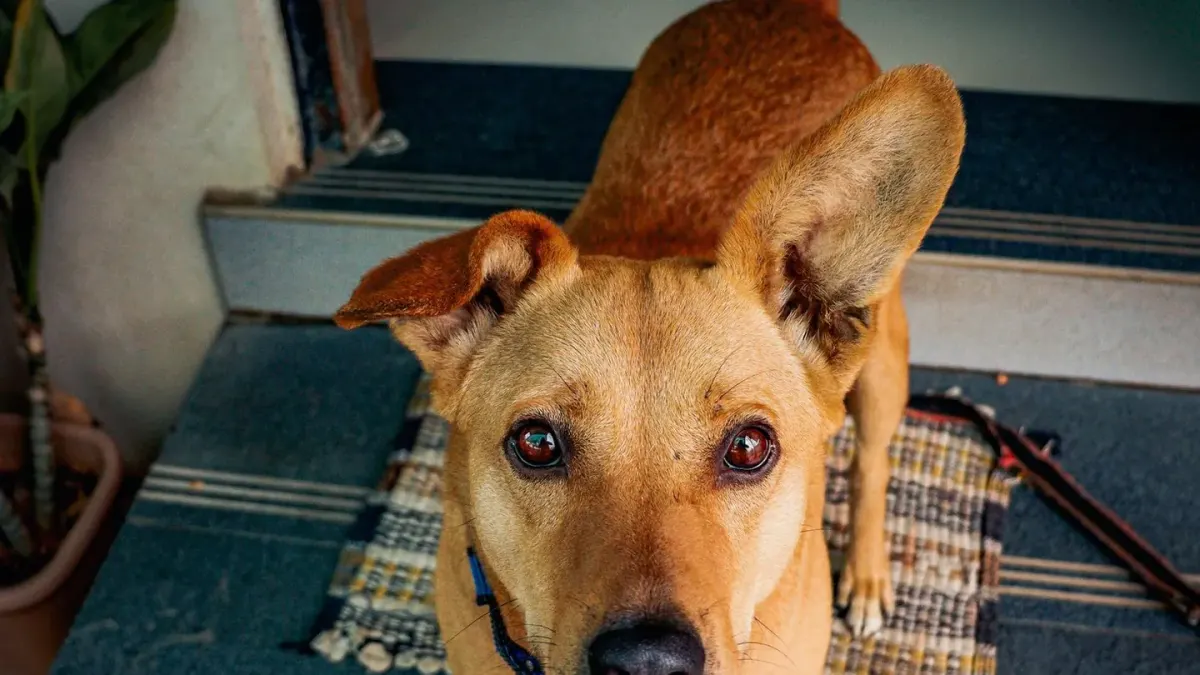
For Juni, a 5-year-old spayed female English Springer Spaniel living with Meghan in Olathe, Kansas, that moment meant a few chewed kernels off a dropped ear and soft stool the next morning, then nothing more. The worry was not the corn itself, it was how much whole kernel went down unchewed and whether any cob came with it. That is the pattern vets often see, and it shapes how you should think about corn.
Corn gets blamed because you can see it later. Yellow flecks in stool look undigested, so owners assume dogs cannot digest corn. What you are mostly seeing is the outer pericarp, a tough fiber coat around each kernel. When corn is ground and cooked, as it is in most complete dog foods, starch digestibility is high. When kernels are whole and barely chewed, that coat shields some starch from enzymes and you get more intact pieces passing through.
I reach for both the imaging study and the acupuncture needle here, meaning I want the mechanism and the whole dog at once. The mechanism is simple starch digestion plus fiber fermentation. The whole-dog part is chewing, portion size, fat and butter on the corn, and a gut that may already be sensitive.
So let us grade the evidence the way a lab would. Strong evidence says cooked, ground corn is a digestible source of energy for dogs. Mixed evidence surrounds corn fiber and the microbiome, because fiber effects depend on type and dose. Thin evidence supports any claim that corn itself calms or harms the gut across all dogs. What is strong is the mechanical risk picture, and Merck Veterinary Manual describes how partial or complete gastrointestinal obstruction in small animals can develop from indigestible foreign material.
When plain corn fits and when it does not
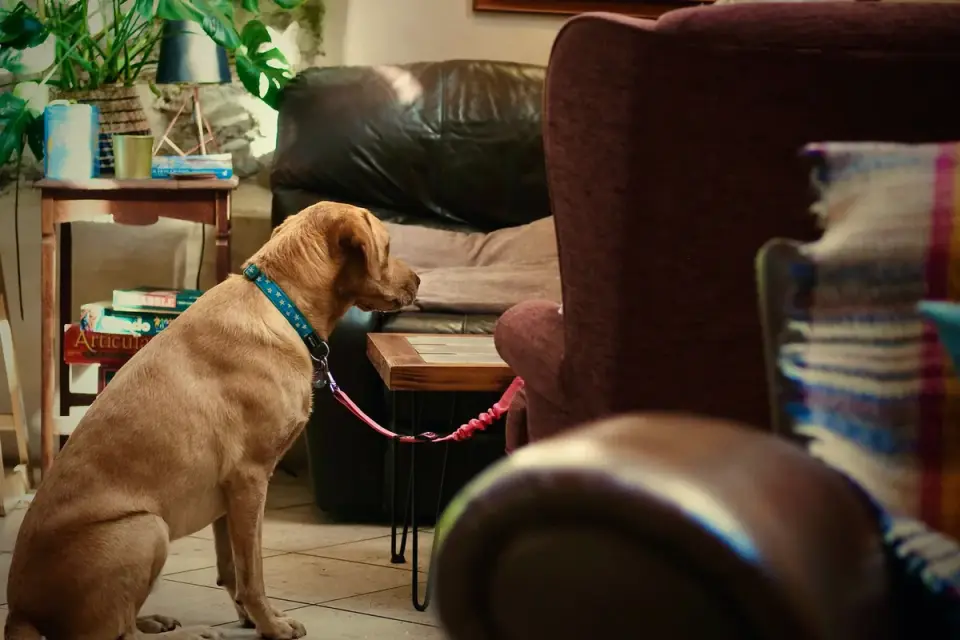
Plain cooked kernels, off the cob and in a small amount, fit for most healthy adult dogs. Think a spoonful or two as a topper, not a bowlful. Rinse off butter, salt, garlic butter, and chili powder. Fat and seasoning cause more vomiting and loose stool than corn ever will.
Whole sweet corn kernels are a gray zone. A few swallowed whole often pass, but a large handful can mean cramping, gas, and mushy stool for a day. For small dogs, that threshold is lower.
The cob is the hard no. It is not food, it is a blockage risk. Dogs chew cobs into wedges that can lodge in the stomach or small intestine. Drooling, repeated vomiting, no stool, belly pain, or lethargy after cob chewing needs same-day care.
That is also why corn-heavy table scraps mislead you. Creamed corn, cornbread with extra fat, tortilla chips, and popcorn with butter test fat tolerance more than corn tolerance. If you want a cleaner fiber comparison, the questions owners ask about apples and blueberries are useful because the fiber comes without that fat load.
How much the gut actually handles
There is no single safe gram amount because weight, chew style, and background diet matter. You do better with a test-and-watch approach.
Start with one to two tablespoons of plain cooked corn for a medium dog like Juni, less for a small dog. Watch stool for 24 to 48 hours. Normal means you found your portion. Loose stool means you overshot or the gut did not love whole kernels.
Do not use corn to fix constipation or diarrhea. You want predictable fiber, not a handful of intact kernels.
Dogs with corn allergy are uncommon, but food allergy in general shows up as itch, ear flare-ups, or chronic gut signs rather than one soft stool. Do not diagnose allergy from a single cookout.
One short rule holds.
Cobs belong in the trash, not the dog.
If your dog ate cob, even a small piece, do not wait for a home remedy to work. Note the time, estimate the size, save the wrapper or leftover piece, and call your vet. Vomiting, straining, or a painful belly moves it to urgent. Guidance on foods and objects to keep away from dogs from VCA Hospitals makes the same point, prevention beats retrieval.
In TCVM food-therapy terms, corn is often described as neutral and slightly supportive of digestion in small amounts, yet that tradition does not override anatomy. No food therapy view makes a cob safe to swallow, and no single grain decides microbiome health by itself. A balanced base diet, steady fiber, water, movement, and attention to stool pattern may help support normal gut function far more than debating one ingredient.
A skeptical friend will ask why corn is in so many dog foods if it is so poorly digested. Fair question. The answer is that pet-food corn is not picnic corn. It is ground, cooked under pressure, and fed in a measured formula, which changes starch availability a great deal. Your dog gulping buttery kernels off a cob is a different exposure, much like the fat question owners raise with ham and avocado.
So yes, dogs can eat plain corn. Keep it off the cob, keep it plain, keep it small, and let stool be your feedback.
Frequently asked questions
Can dogs eat corn off the cob?
A small amount of plain cooked kernels off the cob is usually fine for healthy dogs, but never let them chew the cob itself because pieces can block the gut.
Why does corn show up whole in my dog's stool?
The fibrous outer coat of whole kernels resists chewing and digestion, so pieces can pass visibly. Ground and cooked corn in dog food is digested much more completely.