If your dog ate a corn cob three days ago, monitor vomiting and stools closely because blockage risk lingers.
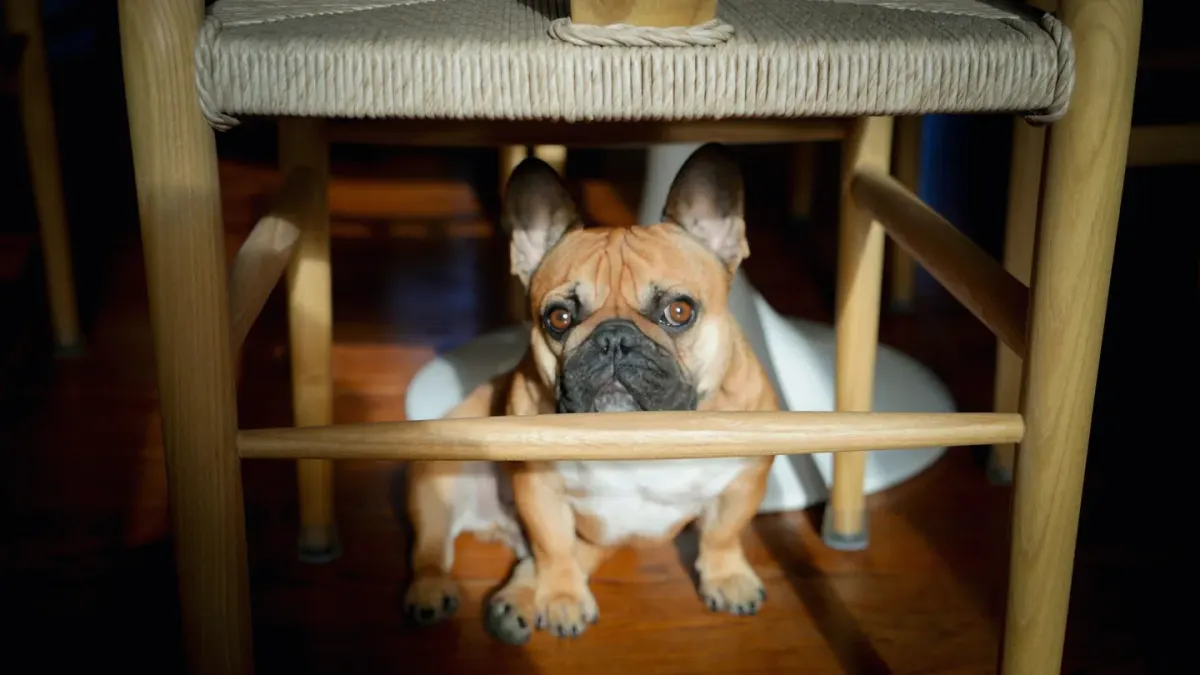
Three days with no symptoms feels reassuring after a corn cob, but the cob itself has not changed — fibrous, dense and largely indigestible, it can still sit in the stomach or drift slowly toward the small intestine.
From a gut-mechanism view, corn kernels can be broken down while the cob core resists both acid and enzymes. That is why time elapsed matters less than transit: a partial obstruction may only declare itself when fluid and gas build up behind the fragment. As Merck Veterinary Manual describes, gastrointestinal obstruction in small animals often presents with vomiting, loss of appetite, lethargy and abdominal pain rather than an immediate collapse.
Why a 3-day delay does not rule out trouble
A corn cob rarely passes intact in a medium or small dog. Large dogs sometimes pass small end pieces, but a half-cob or whole cob is too wide for the pylorus and jejunum. It may churn in the stomach for days, causing intermittent vomiting after meals, then wedge once peristalsis pushes it forward.
notes a similar progression for foreign-body obstruction, including dehydration and weakness as fluid shifts and intake drops.
I think of it the way I think of nerve compression — function looks preserved until the bottleneck becomes complete. The gut compensates until it cannot.
What to monitor right now
You do not need to induce vomiting at day three. The window where that may help support clearance has passed, and regurgitating a rough cob can injure the esophagus. Stay anchored to how the gut is thought to move material now: forward, hydrated transit or stoppage.
For the next 48 to 72 hours, track concretely:
- Vomiting: frequency, relation to meals or water, and whether food looks undigested hours later
- Stools: passed, smaller, watery, bloody, or absent despite straining
- Appetite and thirst: eating willingly, drinking then vomiting, or refusing both
- Energy and belly: restless pacing, whining, hunched posture, tight or swollen abdomen
- Cob accounting: how much was eaten, what size dog, and whether any fragments have passed
Save photos of vomit or stool with fragments. That record helps the veterinarian judge whether material is still moving.
Unlike a digestible fiber source such as the apple pulp discussed in Can Dogs Eat Apples? What the Gut Microbiome Actually Does With the Fiber, a cob does not soften into fermentable substrate. Do not try to push it through with extra fiber, grease, or repeated large meals. Keep diet bland, small and easy to observe, and keep trash and food scraps secured — the same counter-surfing prevention that matters for fatty foods like those in Can Dogs Eat Avocado Safely? What the Fat Load Means for Digestion.
When to call the veterinarian today
Call now, even at day three, if you see repeated vomiting, inability to keep water down, no stool for more than 24 to 36 hours with straining, bloody vomit or stool, marked lethargy, panting and pacing, or a painful, distended belly. Small breeds, puppies with narrower intestines, and dogs that ate a large section warrant a lower threshold for imaging.
At the clinic, expect abdominal palpation and often radiographs, sometimes with contrast or ultrasound to locate the fragment and assess fluid dilation upstream. Partial obstructions are sometimes managed with fluids and close monitoring, while complete or deteriorating obstructions usually need endoscopic or surgical removal. Bring the timeline, the estimated cob size, and any passed pieces.
Food-first care still applies here, but in a supportive role: adequate hydration, rest, and a veterinarian-directed recovery diet if obstruction is ruled out may help support normal motility afterward. Botanicals and motility supplements do not dissolve a cob, and waiting for an herbal fix can cost bowel viability.
If your dog is bright, eating, drinking, vomiting nothing, and passing normal stools, many veterinarians will advise watchful monitoring with clear return precautions rather than emergency surgery. That is not dismissal — it is respect for how variable transit can be. The job over the next few days is to prove continued passage, not to assume it.
Frequently asked questions
My dog seems normal 3 days after eating a corn cob. Are we in the clear?
Not yet. Cobs digest poorly and can cause delayed vomiting, appetite loss, or absent stools. Monitor closely for several more days and call your vet if any of those appear.
Should I induce vomiting 3 days later?
No, do not induce vomiting at home this late without veterinary direction. A rough fragment can injure the esophagus on the way up.
Can a corn cob still pass after 3 days?
Small fragments sometimes pass, especially in larger dogs, but larger pieces often lodge in the stomach outlet or small intestine. Passage must be proven by normal appetite, no vomiting, and normal stools.